On renewable energy, it’s time to debunk the ‘transition minerals’ narrative (commentary)
There is an insidious lie that has taken root in the energy transition narrative pushed by the world’s most powerful financial, political, and environmental institutions: we need to massively scale up “critical mineral” mining to secure a green future. The World Bank claims that production of key minerals will need to increase by 500% by […]
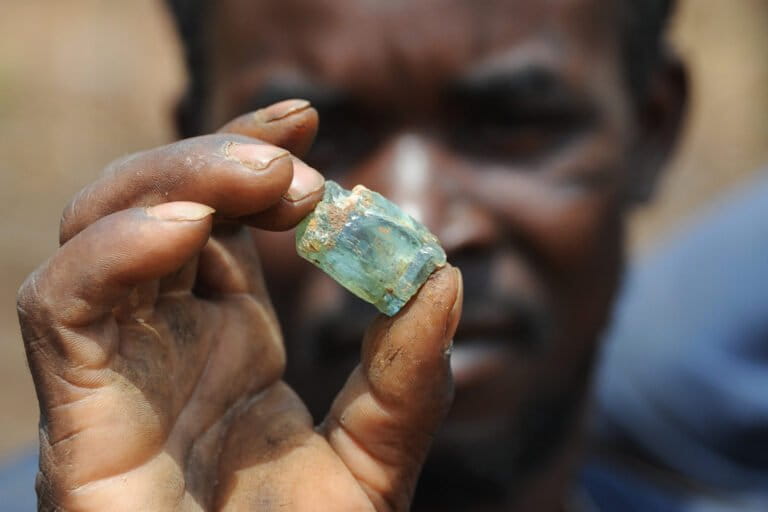
There is a pervasive falsehood circulating within the discourse surrounding the "energy transition." This falsehood posits that the mining of "critical minerals" must be vastly expanded to ensure a sustainable future. The World Bank asserts that the production of essential minerals must surge by 500% by 2050 to meet the demands of this transition.
The United Nations Conference on Trade and Development (UNCTAD) estimates that 250 new mines would be required to achieve emissions reduction targets, including 80 new copper mines, 70 new lithium mines, 70 new nickel mines, and 30 new cobalt mines. The World Wildlife Fund (WWF) also emphasizes the need to bolster the supply chain for a multitude of materials, referred to as "transition minerals."
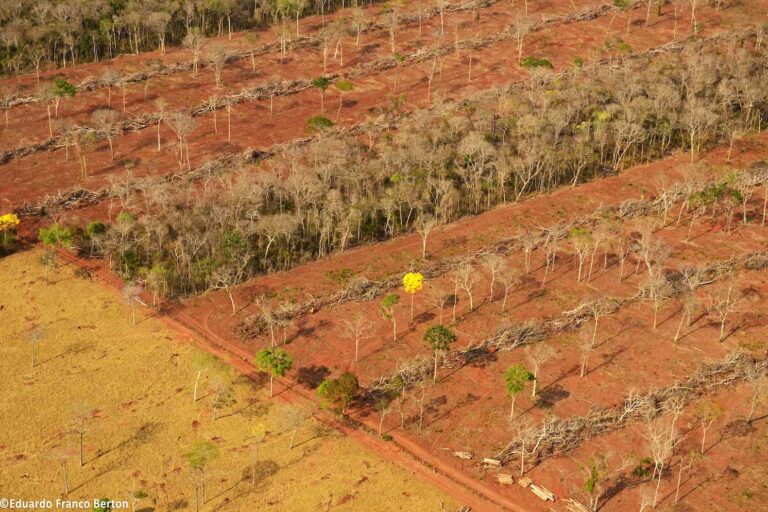
These materials are purportedly indispensable for the green energy revolution. However, this narrative disregards the environmental consequences of mineral extraction. Streams tainted with toxic runoff, deforested areas, deteriorated air quality, and dwindling wildlife populations are presented as the inevitable sacrifices for the sake of renewable energy.
The Oakland Institute, in a recent report, challenges the validity of the term "transition minerals." According to the institute, the vast majority of these minerals are utilized in industries that are either tangentially related or directly adversarial to the clean energy transition. This trend appears to be gaining momentum: artificial intelligence and escalating military expenditures are, in fact, amplifying the demand for these minerals in industries that are actively contributing to ecological degradation.
If the recommendations put forth by international organizations were to be implemented without question, the consequences could be dire.
Written by urgent.news from Mongabay's reporting — not their text. Machine-written — may contain errors; check the original before relying on it.