No Two People Age in the Same Way
At least at the molecular level The post No Two People Age in the Same Way appeared first on Nautilus .
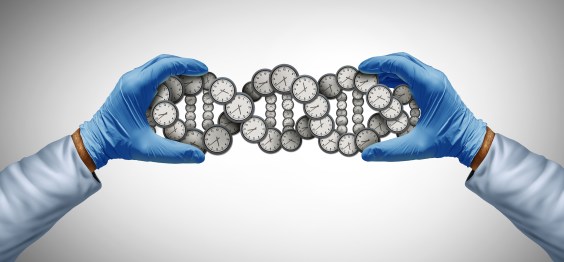
A new study published in Science reveals that aging is a highly individualized process, with each person's journey through the years being unique. An international team of researchers from King's College London followed a group of 335 healthy women in the UK for eight years, taking blood samples to analyze gene expression changes and metabolite levels.
The results showed that while most genes showed consistent trends of decreasing expression over time, individual expression patterns varied greatly among the participants. One notable finding was that levels of certain "forever chemicals" like polyfluoroalkyl substances (PFAS) actually declined in the cohort, likely due to regulatory restrictions on their use in the UK.
The study also found that our immune systems undergo a shift as we age, transitioning from a more adaptive immune system focused on swiftly identifying and eliminating new threats to a more innate immune system that remains constantly vigilant and indiscriminate in eliminating foreign invaders. This shift is associated with inflammaging, or the gradual increase in inflammation that occurs as we age.
Perhaps most intriguing were the individual differences in gene regulation discovered by the researchers. Some genetic sequences showed wildly different expression patterns from person to person, both in direction and intensity, leading study author Julia El-Sayed Moustafa to conclude that "people follow distinct biological journeys" as they age.
This finding suggests that personalized treatments for aging may become more feasible in the future.
Written by urgent.news from Nautilus's reporting — not their text. Machine-written — may contain errors; check the original before relying on it.