Meet the other OFWs offering humorous takes on ‘crazy’ life in Philippines’ Makati
Young professionals in Makati City are humorously redefining OFW as “overworked” or “on-site” Filipino workers, parodying the high costs and urban convenience of Metro Manila’s premier financial district. In the Philippines, OFW generally refers to overseas Filipino workers who move abroad in search of better opportunities and pay. But recently, the acronym has been given a new meaning by some…
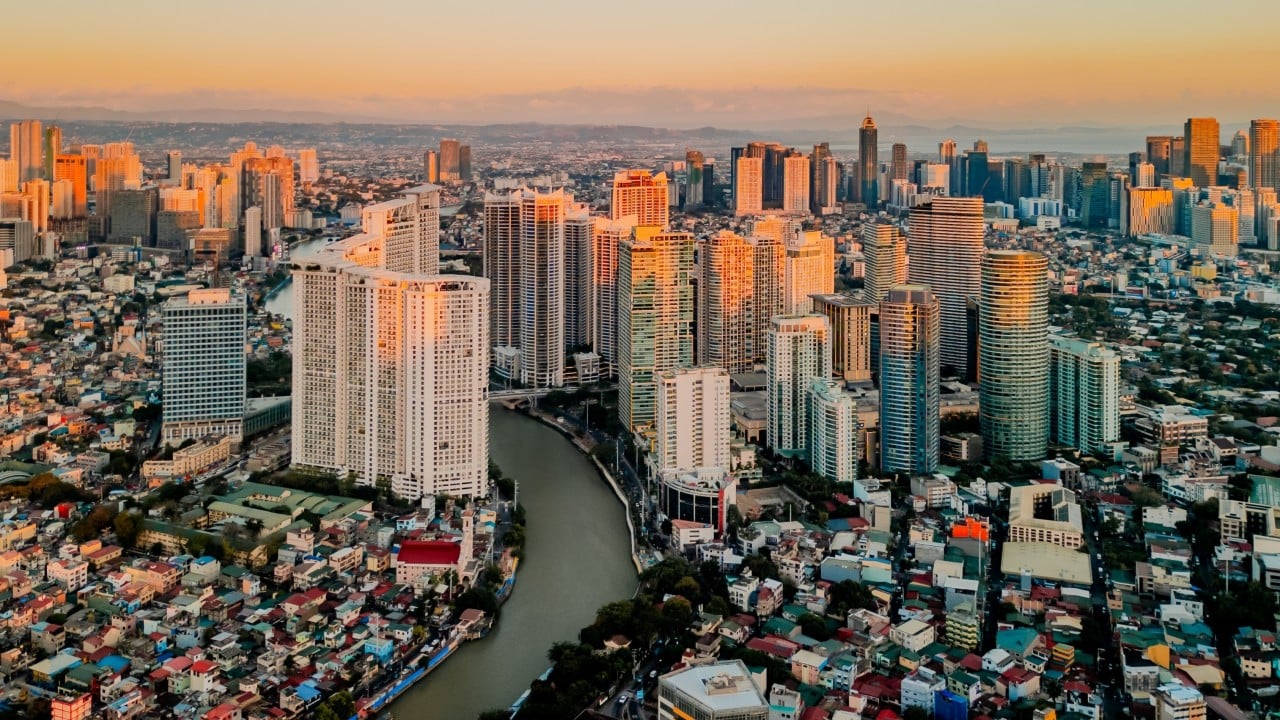
Young professionals in Makati City are embracing the role of "overworked" or "on-site" Filipino workers in a humorous new way, redefining the term OFW. These urbanites highlight the high costs and urban convenience of Makati, a financial district in the Philippines, through social media videos. These reels showcase the city's skyscrapers, parks, and coffee shops while satirizing aspects of OFW life, including homesickness and hard work.
Nick Tumbagahan, a seafarer who moved to Makati for work, exemplifies this trend. He documents his daily routine as an "OFW in Makati," explaining how the city's conveniences resonate with those who have left their homes in search of better opportunities. The trend captures the essence of urbanites and the workforce, from parks and popular running spots to affordable lunch places.
Justine Poblete-Delos Reyes, who moved to Makati with her family, shares a similar sentiment. While the cost of living is undoubtedly high, she and her family find solace in the sense of community and the family-friendly environment. Makati's real estate market is notoriously expensive, with land scarcity driving up property values. As of 2025, a one-bedroom condominium unit costs around 248,000 pesos per square metre.
Despite the financial strain, many residents stay in Makati due to its work-life balance and lifestyle options. Wealth disparity is a significant issue, with the wealthiest families residing near central business districts, contributing to large income inequality. However, the city continues to attract expatriates, high-level executives, entrepreneurs, young professionals, and investors seeking premium locations close to workplaces and schools.
Written by urgent.news from South China Morning Post's reporting — not their text. Machine-written — may contain errors; check the original before relying on it.