Maritime security and naval cooperation in a changing international order
As geopolitical competition increasingly extends into the world’s oceans, naval partnerships have become essential to protecting global trade, preserving freedom of navigation and addressing emerging challenges across the maritime domain.
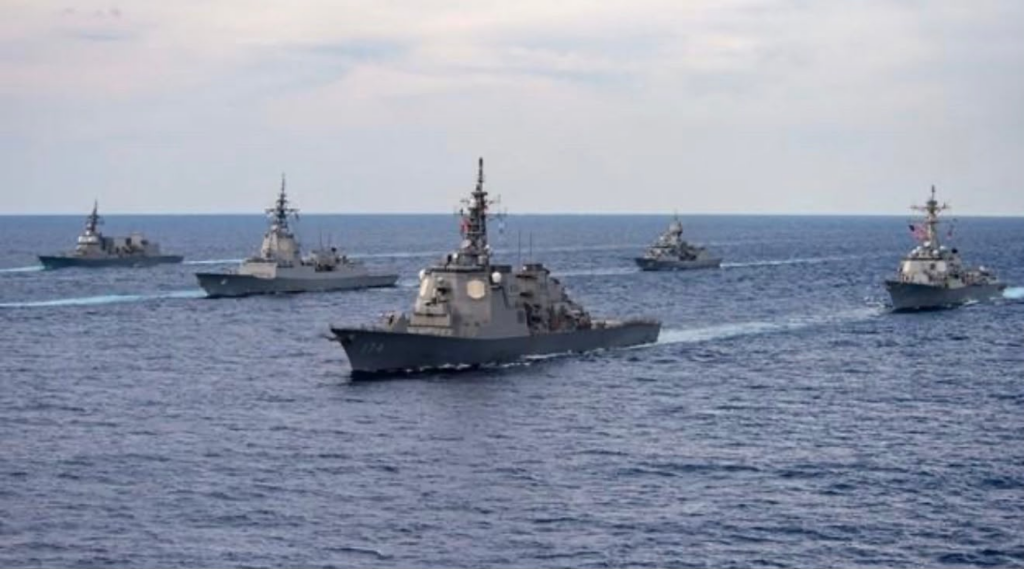
In an evolving global order, the oceans have become a focal point for geopolitical tensions. Naval partnerships are crucial to safeguarding maritime trade, preserving the free passage of vessels and tackling emerging threats in the maritime domain. With over 80% of global trade by volume relying on sea routes, maintaining secure shipping lanes is vital for economic stability and international harmony.
As geopolitical competition surges, securing these critical waterways necessitates collective effort. Allied naval cooperation, demonstrated through warships operating in formation during multinational exercises, highlights the significance of joint military training, coordinated patrols, and intelligence sharing. These activities not only improve the interoperability and readiness of participating fleets but also foster trust among partner nations, fortifying enduring strategic alliances.
Modern maritime challenges transcend traditional naval defense. Issues such as piracy, unregulated fishing, transnational organized crime, maritime terrorism, and threats to undersea infrastructure put stress on coastal states and the global community. Protecting strategic sea lanes and chokepoints has thus gained paramount importance, given the intricate interconnectivity of global supply chains.
To enhance collective preparedness, large multinational exercises continue to bring allied navies together, refining command procedures, improving coordination, and enabling effective operations in challenging environments. Such training sessions bolster interoperability and equip forces to handle humanitarian assistance, disaster response, and regional contingencies.
Technological advancements are transforming naval operations. Satellite surveillance, unmanned maritime systems, artificial intelligence, cutting-edge sensors, and secure information networks provide enhanced situational awareness and facilitate rapid decision-making. These capabilities allow naval forces to monitor expansive maritime expanses more efficiently and support synchronized operations among allied partners.
In summary, the changing international landscape underscores the importance of trusted partnerships, ongoing innovation, and persistent collaboration. By reinforcing naval cooperation and investing in advanced capabilities, nations can protect vital sea lanes, uphold freedom of navigation, and contribute to a stable, secure, and resilient maritime domain.
Written by urgent.news from MyJoyOnline Ghana's reporting — not their text. Machine-written — may contain errors; check the original before relying on it.