Malaysia’s chip ambitions: From assembly hub to semiconductor powerhouse
KUALA LUMPUR, Sept 4 — Semiconductors are behind much of the technology people use every day, from smartphone...
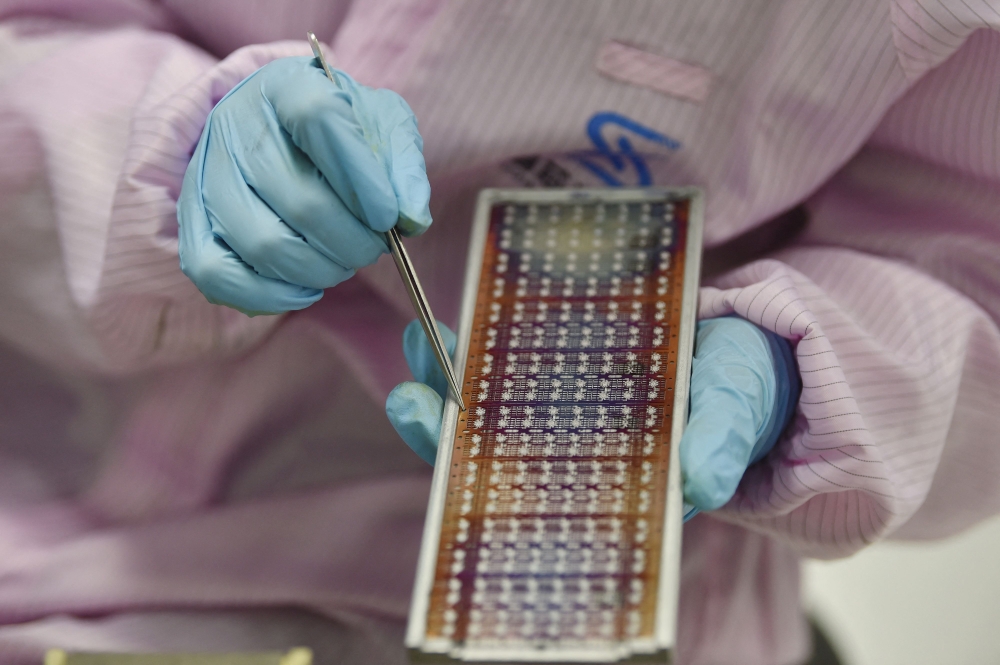
Malaysia has recognized the critical role of semiconductor technology in modern life and is aiming to transition from a back-end assembly hub to a semiconductor powerhouse. Semiconductors are essential components found in everyday devices such as smartphones, cars, bank cards, air-conditioners, and data centers for artificial intelligence (AI).
Malaysia's semiconductor industry has been growing since the 1970s and currently contributes 13% to global back-end semiconductor assembly and packaging, along with 7% of global semiconductor trade.
The industry's primary strength lies in the back-end of the semiconductor supply chain, including assembly, packaging, and testing. However, Malaysia seeks to expand its reach into higher-value activities like chip design, advanced packaging, semiconductor equipment, and research and development.
Malaysia's semiconductor industry primarily focuses on the back-end of the supply chain, including assembly, packaging, and testing. The country aims to broaden its capabilities in other areas such as chip design, advanced packaging, semiconductor manufacturing equipment, and research and development. The National Semiconductor Strategy (NSS), launched in 2024, outlines its goals, which include attracting RM500 billion in combined domestic and foreign semiconductor investment by 2030 and training 60,000 high-skilled engineers.
One example of this strategy in action is Malaysia's partnership with British semiconductor technology company ARM Limited. Under this collaboration, Malaysia aims to train 10,000 semiconductor professionals and provide selected companies access to ARM technology and intellectual property. In August 2025, four companies entered the design and IP-evaluation stage, while eight ARM technology access packages were offered to five Malaysian companies.
The government targets locally manufactured chips developed through the ARM collaboration to enter production by 2030.
Written by urgent.news from Malay Mail's reporting — not their text. Machine-written — may contain errors; check the original before relying on it.
This story
This is one outlet's version. Read the fullest account.