Lawmakers Test the Rules for AI Agents That Move Money
Artificial intelligence (AI) agents, stablecoins and tokenized securities put some of the mechanics of digital finance before lawmakers Wednesday (Sept. 2), including how software-driven transactions will be authorized and settled. At a House Financial Services Committee hearing that ranged across tech-driven innovation’s role against a backdrop of financial regulation and economic policy,…
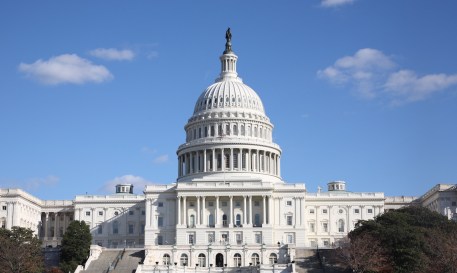
Artificial intelligence (AI) agents, stablecoins and tokenized securities were put under the microscope by lawmakers during a House Financial Services Committee hearing on September 2, 2025. The hearing explored how software-driven transactions and digital finance innovations would be authorized, settled and regulated within the financial system.
Circle President Heath Tarbert highlighted the transformation of the financial infrastructure with digital assets, describing an "internet financial system" where AI agents transact 24/7 with unprecedented speed and programmability. Tarbert emphasized the need for robust regulatory frameworks, such as the GENIUS Act, to govern stablecoin transactions and prevent the use of offshore or alternative currencies in machine payments.
Rep. Bryan Steil pushed the conversation towards practical implementations, asking whether settlement triggers and smart contracts were necessary for transactions between AI agents and dollar stablecoins. Tarbert responded that the industry was in the early stages of this development.
Rep. Bill Foster focused on establishing the identity of software agents, arguing that "agentic identity" was crucial for maintaining accountability and control in financial transactions. Banks and payment networks already possess verified customer identities, credentials and fraud controls, and could leverage these existing systems for agentic commerce.
Kathleen Kraninger, president and CEO of the Florida Bankers Association, advocated for risk-based oversight of AI applications, rather than identical compliance infrastructure for all institutions. She emphasized that smaller banks should not be expected to build large-bank validation infrastructure for low-risk tools, such as AI-powered fraud detection and customer service.
The tokenization of real-world assets was also discussed, with NYSE President Lynn Martin describing the exchange's development of a platform that links digital equities to underlying shares. This single security platform would provide broader access to traditional equities, blurring the lines between digital and physical assets.
The conversation shifted to the impact of digital money on bank deposits, with Ranking Member Maxine Waters citing the growing use of buy now, pay later (BNPL) services for grocery purchases. Tarbert distinguished central bank digital currencies (CBDCs) from tokenized deposits and stablecoins, noting Congress' prohibition on the Federal Reserve issuing a retail CBDC. He argued that a retail CBDC could disintermediate community banks and potentially increase government visibility into consumers' financial activities.
Written by urgent.news from PYMNTS's reporting — not their text. Machine-written — may contain errors; check the original before relying on it.