Climbers asked Google Gemini how long Mount Shasta would take and what supplies to carry – things went badly wrong
The climbers said they used Google Gemini, YouTube, and AllTrails to prepare for the trip. In addition to using the AI for route research, the group also relied on the chatbot for food and water recommendations. Read Entire Article
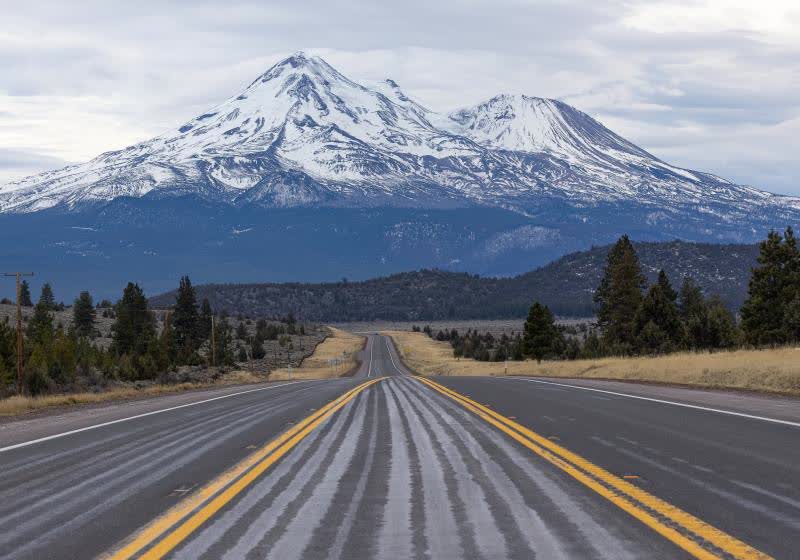
A group of climbers faced dire consequences after seeking advice from Google Gemini on how to tackle Mount Shasta in California. The AI suggested the climb would take just eight hours and recommended simple carbohydrates, failing to mention the eight-hour reality. The climbers, relying on Gemini, YouTube, and AllTrails, set up a prohibited base camp and started their ascent at 3 am on August 30.
They reached the summit at 7 pm, far exceeding the recommended turnaround time. However, their phone battery died, leaving them disoriented and distressed. At 11,500 feet, one climber fell, injuring their knee. Desperate for supplies and shelter, they called 911, but it wasn't until 9:30 am on August 31 that forest rangers could reach them, delayed by strong winds.
The climbers later attributed their misadventure to overreliance on AI rather than their own critical thinking. This incident echoes similar cases where people have faced dire consequences from following chatbot advice, ranging from crop failure to mental health disorders.
Written by urgent.news from TechSpot's reporting — not their text. Machine-written — may contain errors; check the original before relying on it.
This story
This is one outlet's version. Read the fullest account.
- Google’s Gemini 3.8 Flash is built for agents, while its Cyber twin hunts vulnerabilities venturebeat.com
- Google launches Gemini 3.8 Flash and Flash Cyber techinasia.com
- Gemini 3.8 Flash is out with a new focus on cybersecurity androidauthority.com