Her Glucose Sensor Cost $1,200 a Year. Social Security Subtracted It From One Work Test and Ignored It in Another.
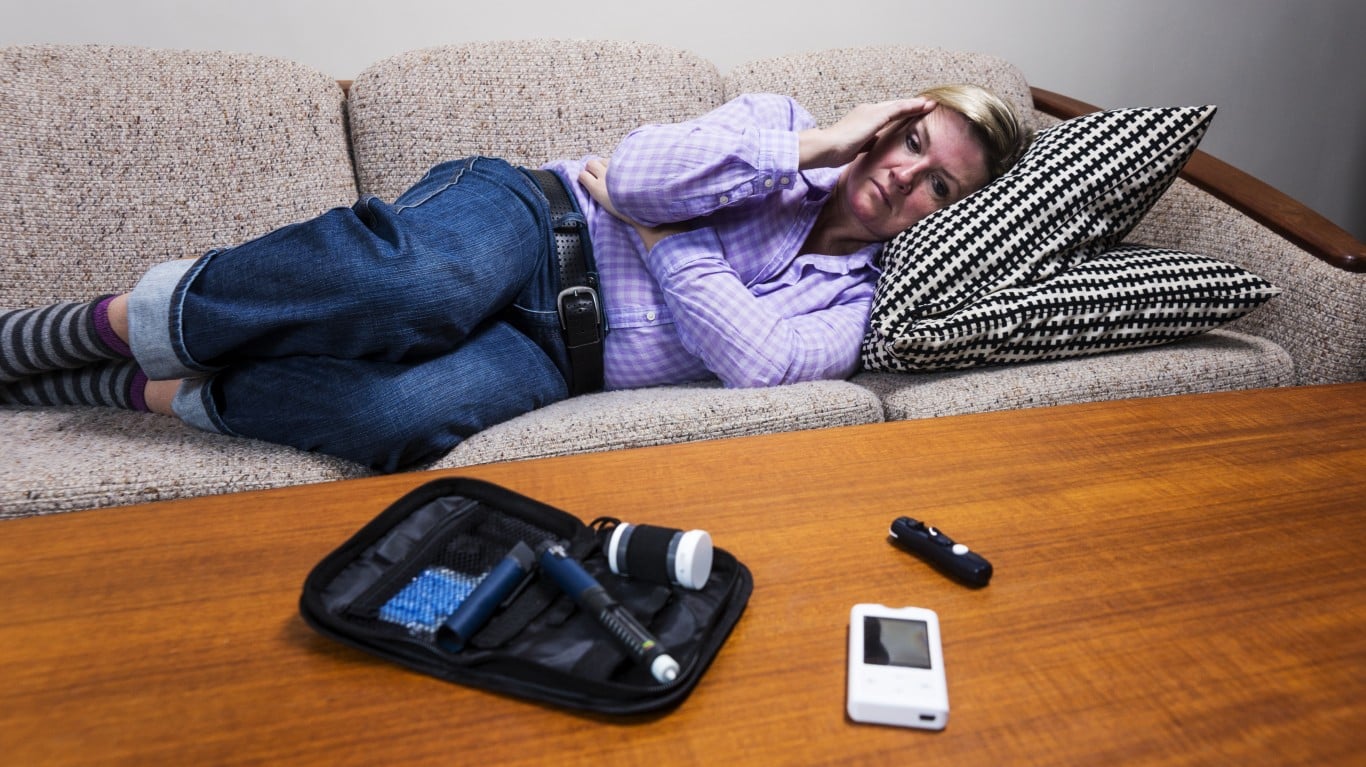
A woman in her fifties with a chronic condition manages her work by using a glucose sensor that she purchases herself. This sensor costs her $100 a month, or $1,200 a year. Social Security offers two differing rules about whether this medical expense can be subtracted from her retirement earnings. If the SSA approves the expense as an "Impairment-Related Work Expense" (IRWE), it can reduce her countable earnings, potentially keeping her below the $1,690 monthly substantial gainful activity (SGA) threshold and allowing her Social Security Disability Insurance (SSDI) benefits to continue.
However, under the Social Security early retirement earnings test, this same $100 expense is ignored and Social Security counts the full $1,760 in wages against the $24,480 annual limit for retirees. The difference lies in the fact that IRWE rules consider the effective cost of working due to the individual's impairment, while the retirement rule does not subtract ordinary medical expenses.
To qualify for IRWE deductions, the expense must be paid out of pocket, connected to the impairment, and necessary for work. Keeping receipts, documentation of insurance reimbursement, and medical support can help establish this connection to the impairment and necessary work.
Written by urgent.news from Yahoo Finance's reporting — not their text. Machine-written — may contain errors; check the original before relying on it.