Google DeepMind's new AI weather model is updating its forecasts every hour
WeatherNext 3 targets wind and solar energy operators with turbine-height wind speeds and cloud cover data refreshed hourly from satellite imagery
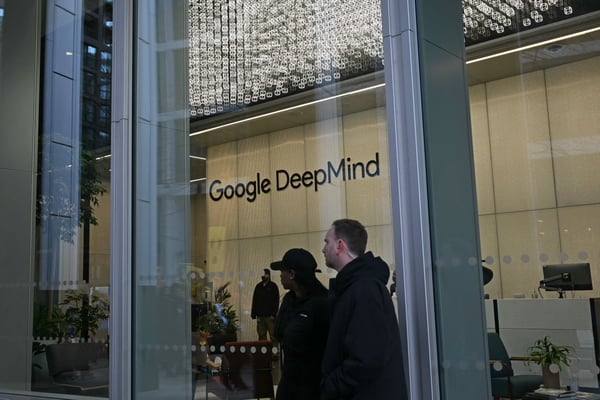
Google has unveiled WeatherNext 3, the company's most advanced global weather AI model, set to enhance Search and Gemini with a 50% more accurate precipitation forecast. Unlike previous models like WeatherNext 2, which utilized numerical weather prediction (NWP) data with a six-hour lag, WeatherNext 3 leverages live satellite data for real-time updates.
This enables the model to continuously refine its atmospheric view, offering timely and precise weather predictions. The model generates hourly forecasts with multiple spatial resolutions, providing up to five times greater detail compared to WeatherNext 2. This heightened resolution is crucial for capturing rapid weather developments such as storms and fronts, allowing for earlier and more detailed insights.
By training on two high-quality precipitation datasets—NASA's IMERG and Google's own reanalysis—WeatherNext 3 demonstrates significant improvement in accuracy, with up to 60% better Continuous Ranked Probability Score (CRPS) in medium-range global forecasts compared to IMERG, 30% vs. MRMS, and 10% vs. rain gauge measurements. Google plans to roll out WeatherNext 3 across Search, Maps, and the Gemini app, promising more accurate long-term forecasts for those planning activities a day or more ahead, particularly in regions where forecasts have traditionally been less reliable.
Written by urgent.news from 9to5Google's reporting — not their text. Machine-written — may contain errors; check the original before relying on it.
This story
This is one outlet's version. Read the fullest account.
- Gemini Spark rolling out Google Photos control for automated editing, sharing, & more 9to5google.com
- Microsoft AI debuts MAI-Transcribe-2, a speech recognition model that it says beats Gemini 3.5 Transcribe and GPT-Transcribe, at $0.10/audio hour through 2026 (Michael Nuñez/VentureBeat) venturebeat.com
- Your Google Photos library is getting a more hands-on Gemini assistant androidpolice.com