From livestock loss to resilience: How aggregation is changing pastoralism in Isiolo
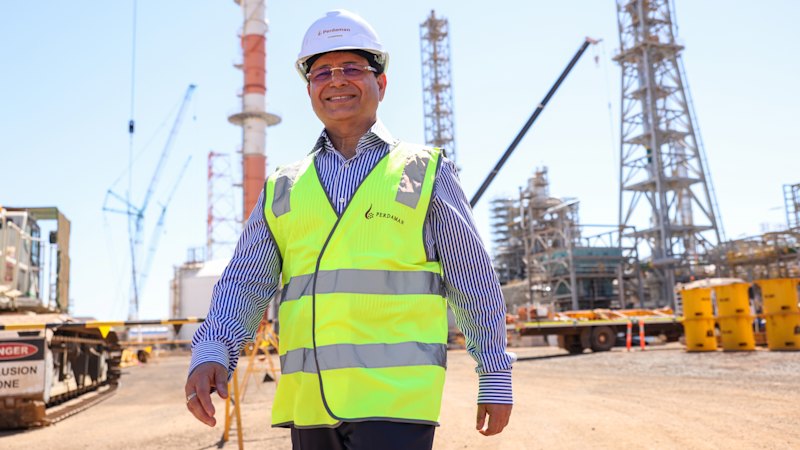
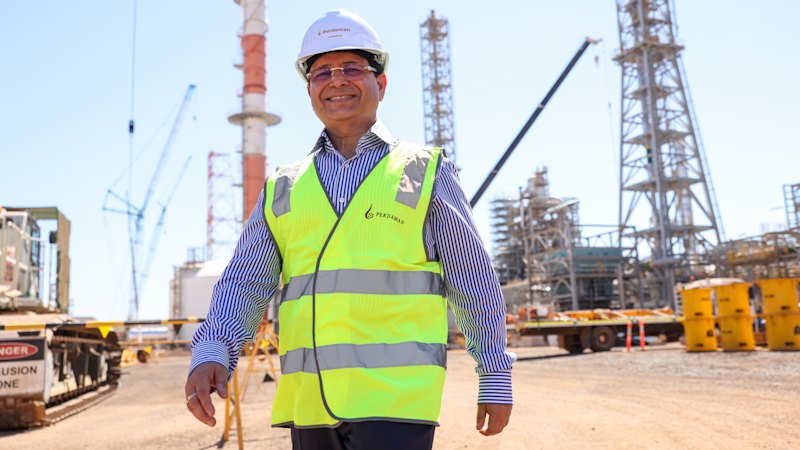
Muhamed Hayota Dadable has rebuilt his livelihood around savings, livestock aggregation, fodder production and diversification.
In 2010, a devastating drought hit Isiolo, Kenya, causing Muhamed Hayota Dadable to lose all his livestock. Reflecting on that time, he now wishes he had sold his animals before they died, instead of watching them perish. The experience has shaped his approach to livestock management, leading him to join the Nasole Cooperative and embrace new strategies for resilience.
Through the cooperative, Muhamed and his wife can access savings and credit, providing them with financial protection against future uncertainties. However, his most significant change came in 2023 when Heifer International began working with farmers in the region through the Kenya Livestock Marketing and Resilience (KLMP) Program. The program, funded by the Swedish Embassy, aims to strengthen production and marketing among red meat producers and improve their livelihoods and resilience.
A key lesson Muhamed learned is livestock aggregation. Instead of keeping individual animals, farmers combine their livestock before selling, which significantly increases their bargaining power. By pooling their resources, farmers can collectively obtain better prices for their animals. Muhamed explains that combining smaller herds into a larger group allows buyers to offer higher prices, as they can benefit from economies of scale and reduce losses in the market chain.
The cooperative focuses on trading white goats aged between five months and one year. Muhamed points out that a goat purchased at Sh2,300 can yield a profit of Sh1,000 or more. By purchasing and reselling goats together, members of the cooperative can reduce costs associated with transportation, which previously amounted to about Sh300 per goat. Now, buyers come directly to the cooperative, eliminating the need for farmers to transport their animals to distant markets.
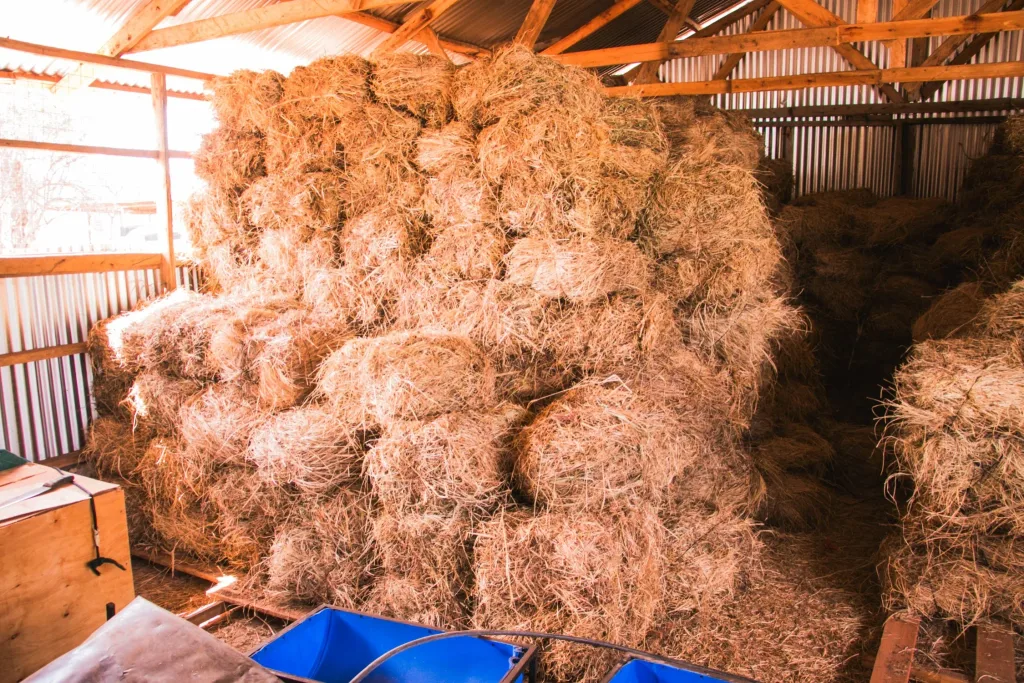
Heifer International also trained farmers to grow and store drought-resistant fodder, ensuring livestock have access to food during dry periods. Farmers learned to grow fodder, harvest seeds, replant them, and share seeds with others. This practice has allowed farmers to create an additional income stream through the sale of hay. For instance, a bale of hay sells for approximately Sh500, and even non-lactating farmers are participating in fodder aggregation and selling it through the system.
Muhamed emphasizes that having access to hay during the 2010 drought would have saved his livestock. He views hay as a significant source of income and a valuable lesson learned during his agricultural journey. Through livestock aggregation and improved fodder management, Muhamed has transformed his outlook on pastoralism, turning a period of loss into one of resilience and opportunity.
Written by urgent.news from Capital Business's reporting — not their text. Machine-written — may contain errors; check the original before relying on it.
This story
This is one outlet's version. Read the fullest account.