Family businesses are the economy’s great survivors
Family businesses in this country are not just widely ignored, they are frequently looked down upon. But they are among the most innovative and longest standing companies around, says Nigel Cope In discussions about how business can help deliver economic growth in Britain, family businesses rarely get a look-in. The talk is of big corporates, [...]
Family businesses, often overlooked and underestimated, are vital components of the British economy. They are not just numerous and enduring, but also remarkably innovative and successful, according to Nigel Cope. The size of the sector is staggering, with over five million family businesses in Britain, employing more than 15 million people.
Their annual sales total a mind-boggling £2.8 trillion. Despite their silent and often uncelebrated contributions to the economy, family businesses represent the hidden engine behind the nation's prosperity.
Critics claim that family businesses are sleepy and underperforming, but this is far from the truth. Many family firms prioritize longevity, a key to their success. In fact, research has shown that during the Covid pandemic, family businesses in the UK were less likely to lay off workers, demonstrating their resilience and adaptability. They are also deeply connected to their local communities, further strengthening their ties to society.
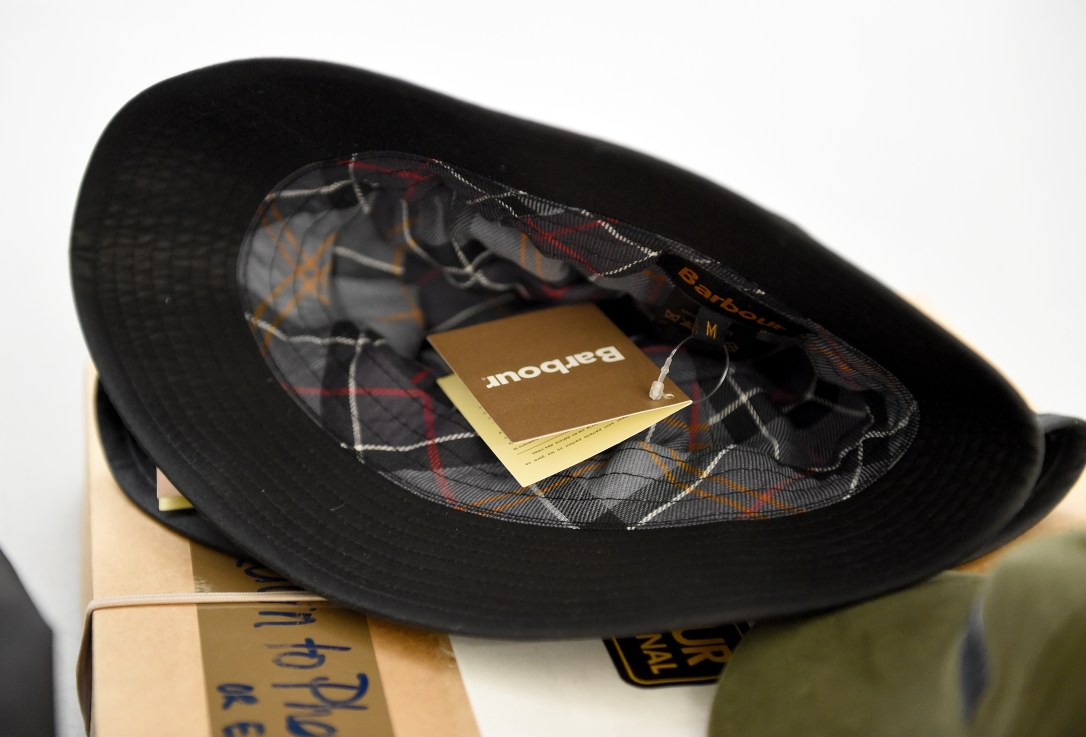
The success of these businesses is not merely a result of their age, but also their ability to innovate and evolve. For instance, Barbour, a 300-year-old clothing company, has transitioned from a traditional waxed jacket maker to an international fashion brand. Similarly, Shepherd Neame, a brewery established in 1698, continues to introduce new beers, competing with craft ales and IPAs. Their CEO, Jonathan Neame, underscores the importance of change and adaptation in staying relevant.
To truly foster economic growth in Britain, it's crucial to pay closer attention to these family firms. They are present in every postcode across the country, a diversity often unmatched by other business types. By highlighting their strengths, the government and the wider society can better recognize and support the invaluable role of family businesses in the British economy.
Nigel Cope's book, "The Great Survivors," delves into the success stories of Britain's oldest family businesses, offering insights into their longevity and providing a blueprint for future growth.
Written by urgent.news from City AM's reporting — not their text. Machine-written — may contain errors; check the original before relying on it.