El Nino likely to intensify, may become strongest ever recorded, WMO says
GENEVA: The El Nino weather phenomenon is set to intensify further into 2027 and could be the strongest ever, raising risks of extreme weather into next year, the World Meteorological Organisation said on Thursday.
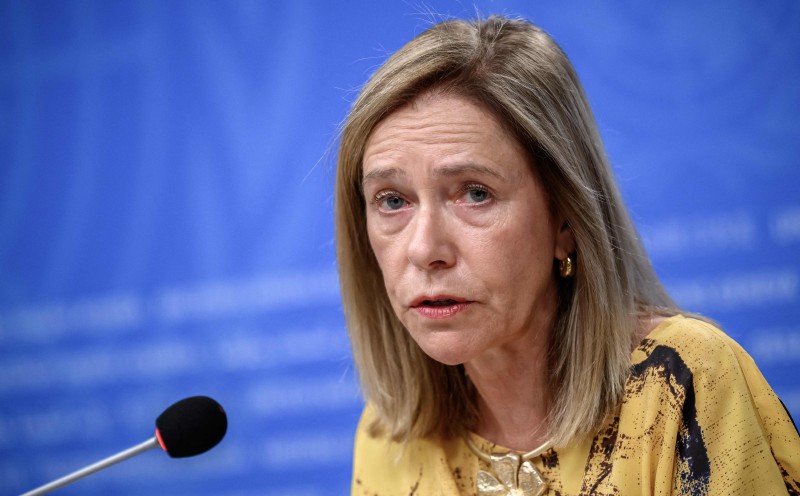
The World Meteorological Organisation (WMO) predicts that the El Nino weather phenomenon will intensify in 2027 and could be the strongest ever recorded, according to the organization's chief Celeste Saulo. If this trend continues, the El Nino may surpass any previous occurrences in their monitoring history, which dates back four decades.
The UN agency stated that there is a near 100 percent likelihood that El Nino will persist until February 2027, driven by unusually high ocean temperatures in the Pacific. This is the first time the WMO has expressed such confidence in their forecasts. A strong El Nino can significantly alter global rainfall and temperature patterns, potentially triggering extreme weather events like typhoons.
The WMO emphasized that a very strong El Nino can have global implications, underscoring the unprecedented nature of the current warming of the planet's waters. United Nations Secretary-General Antonio Guterres echoed this sentiment, noting the 'uncharted waters' that humanity now inhabits due to the exceptionally warm conditions.
The El Nino weather event, characterized by the periodic warming of sea surface temperatures in the eastern Pacific, is a natural phenomenon that occurs every two to seven years and typically lasts up to a year. It has already impacted tropical regions, exacerbating food shortages in Central America's Dry Corridor. The WMO expects the El Nino to peak towards the end of 2027 but anticipates its effects to persist into the following year, leading to higher global temperatures.
In response, the WMO is ramping up its preparedness and early warning systems, intending to collaborate closely with UN partners and humanitarian organizations to provide essential climate intelligence. This support is crucial for disaster management and sectors such as agriculture, health, energy, and water resources, which are sensitive to climate change.
Written by urgent.news from New Straits Times's reporting — not their text. Machine-written — may contain errors; check the original before relying on it.
This story
This is one outlet's version. Read the fullest account.