Commentary: Will Meta’s US settlement change how Singapore regulates social media?
A landmark US lawsuit has made clear that if left to their own devices, social media companies are unlikely to take drastic steps to protect young users, says NUS' Carol Soon.
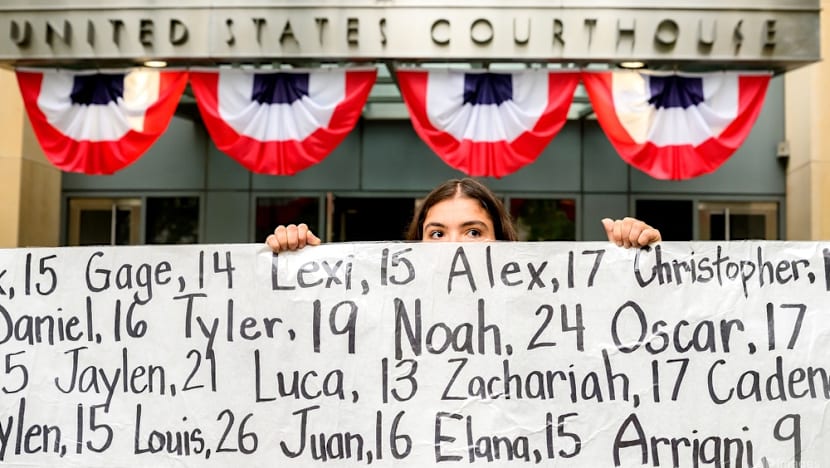
Meta's $18 billion settlement with US states and territories, coupled with its agreement to implement new child-safety features, has sparked a discussion on how Singapore regulates social media. The landmark US lawsuit revealed that social media companies are unlikely to take drastic steps to protect young users without external pressure.
Singapore plans to introduce laws in early 2027 requiring platforms to roll out stronger safeguards for teens, with a proposed minimum age of access set to 18. Meta's agreement to limit the amount of time children spend on their platforms, ban access from midnight to 6am, and remove push notifications during school hours will alter young users' interactions with social media.
However, experts argue that these features are rarely used and are not automatically turned on. Social media companies prioritize user engagement and profit over users' well-being, often tweaking product features for different markets. While Meta's changes aim to reduce time spent on Facebook and Instagram and make the platforms less addictive, they do not fully address harmful content or personalized user targeting.
To ensure user safety, safety-by-design principles must be implemented from the outset of product development. Singapore's approach to online safety includes regulations at various levels, emphasizing content, platform, system, and victim safety. Regulators, the community, and policymakers must remain vigilant and demand accountability from social media companies.
Written by urgent.news from Channel News Asia's reporting — not their text. Machine-written — may contain errors; check the original before relying on it.
This story
This is one outlet's version. Read the fullest account.
- Commentary: Will Meta’s US settlement change how Singapore regulates social media? channelnewsasia.com
- Meta’s $18b settlement echoes past tobacco lawsuits – and how they avoided harsh penalties theconversation.com
- US settlement with Meta is a start. India must protect itself indianexpress.com