Comet McNaught put on a surprise show this summer: Here's how to spot it before it fades
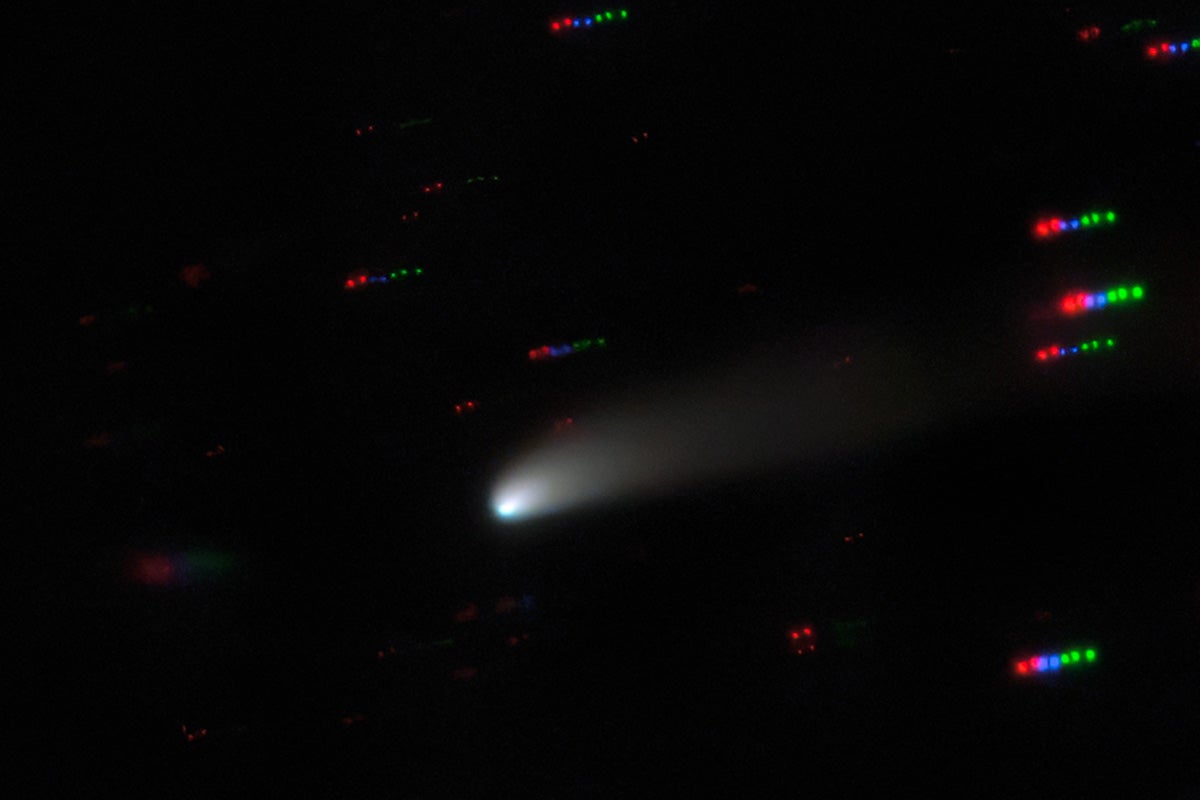
Comet McNaught brightened dramatically during two outbursts around perihelion as it made a close approach to the sun.
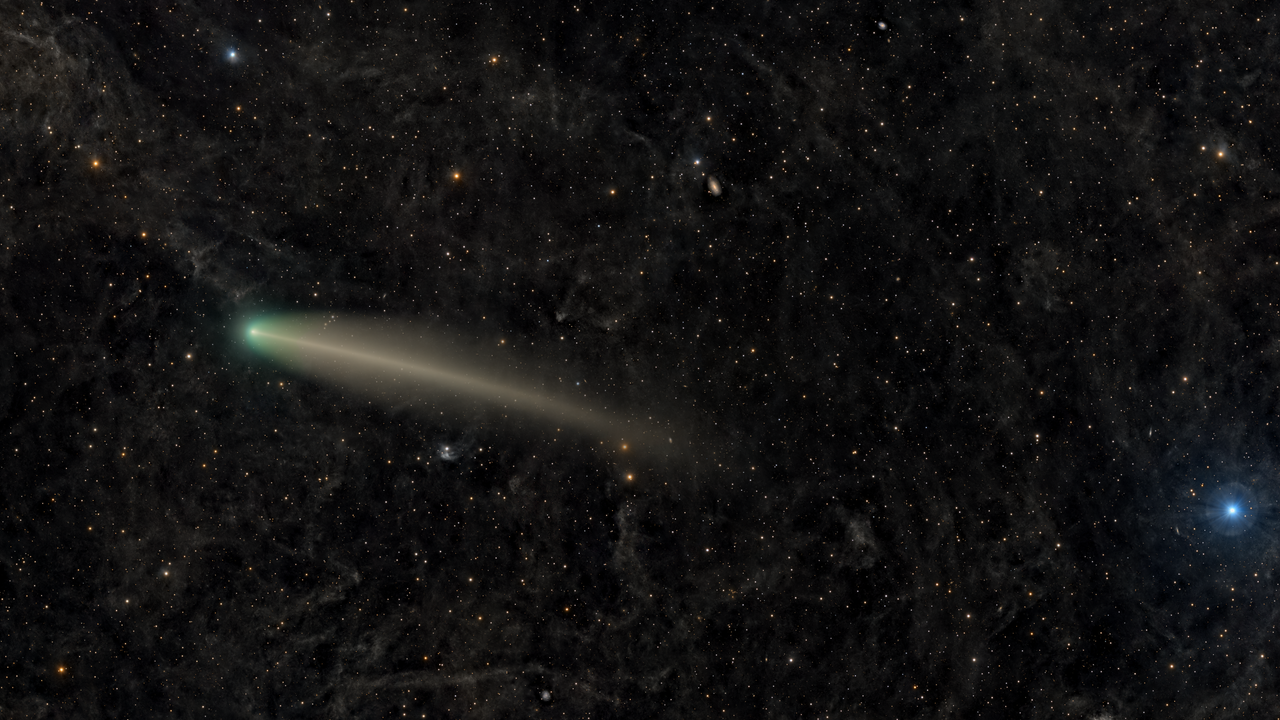
This summer, Comet 220P/McNaught has astounded skywatchers with unexpectedly bright eruptions, making the typically faint comet temporarily visible to those using binoculars or telescopes. Orbiting the sun every 5.5 years, it reached perihelion, its closest point to the sun, on June 14. Solar heating during this period triggered volatile ices in the comet to transform into gas, releasing dust that reflected sunlight and causing its brightness to surge to 20,000 times its normal level.
Comet 220P/McNaught is currently at a magnitude of +9.2, which may be difficult to spot with binoculars under less than ideal conditions, but it is visible through small telescopes under dark skies. It appears as a faint, diffuse patch against the background stars and can be found near the magnitude 3.59 binary star system Omicron Tauri. The best time to view the comet is in the early morning, around midnight local time, when the stars of the constellation Taurus are rising.
In the coming weeks, the comet is expected to dim as it travels farther from the sun, but there is a possibility of another outburst increasing its brightness once more. The comet will be more easily visible during the new moon phase on September 10-11, providing an excellent opportunity for stargazers and astrophotographers alike.
Written by urgent.news from Space.com's reporting — not their text. Machine-written — may contain errors; check the original before relying on it.