Chinese overcapacity is a problem for the world
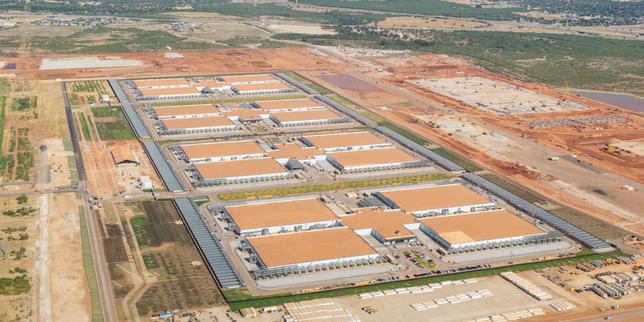
China's manufacturing output, valued at $1.2 trillion, now accounts for approximately 30 percent of global production. This dominance is largely due to government subsidies and a state-guided financial system that offers low-cost credit to firms. These subsidies have allowed Chinese companies to expand without the pressure of maintaining profits and returns compared to their global counterparts.
The result is an unsustainable "race to the bottom," with companies operating at razor-thin or even negative margins, engaging in price wars at home and abroad to increase market share. This has created an "absolute advantage" for China in manufacturing, fueled by low-cost production, scale, supplier networks, infrastructure, technological capabilities, and state-supported industrial ecosystems.
Consequently, China manufactures a wide range of goods, from textiles and machinery to electronics, solar PV, batteries, and EVs, at competitive prices. While this has led to economic gains for both developed and developing nations through reduced consumer goods prices, machinery costs, clean technology products, and intermediate inputs, it has also created asymmetric pressures on developing countries to build their own manufacturing capabilities.
Developing economies are caught in a "late industrialisation dilemma," struggling to compete with China's low-cost mass manufacturing, which weakens their incentives and capabilities to develop domestic upstream industries. Moreover, China's absolute advantage in both low-cost and high-end manufacturing is reshaping the global value chain networks.
In the EV sector, for instance, China controls key nodes such as 65 percent of lithium refining, 70 percent of cobalt refining, and over 80 percent of battery manufacturing. This dominance creates strategic vulnerabilities for countries overly reliant on a single supplier. Additionally, China's excess industrial capacity presents challenges for India's pursuit of self-reliance.
Chinese imports have affected India's MSME-led domestic manufacturing, impacting sectors like solar PV modules, telecom components, electronics, and APIs. India's electronics industry faces a shortage of printed circuit boards due to geopolitical headwinds and supply-chain disruptions. India confronts a "pincer dilemma" where Chinese export curbs could limit access to crucial inputs such as solar wafers, cells, and batteries, while its Production Linked Incentive (PLI) scheme for solar and EV faces WTO challenges for potentially violating local content rules designed to boost domestic manufacturing capabilities.
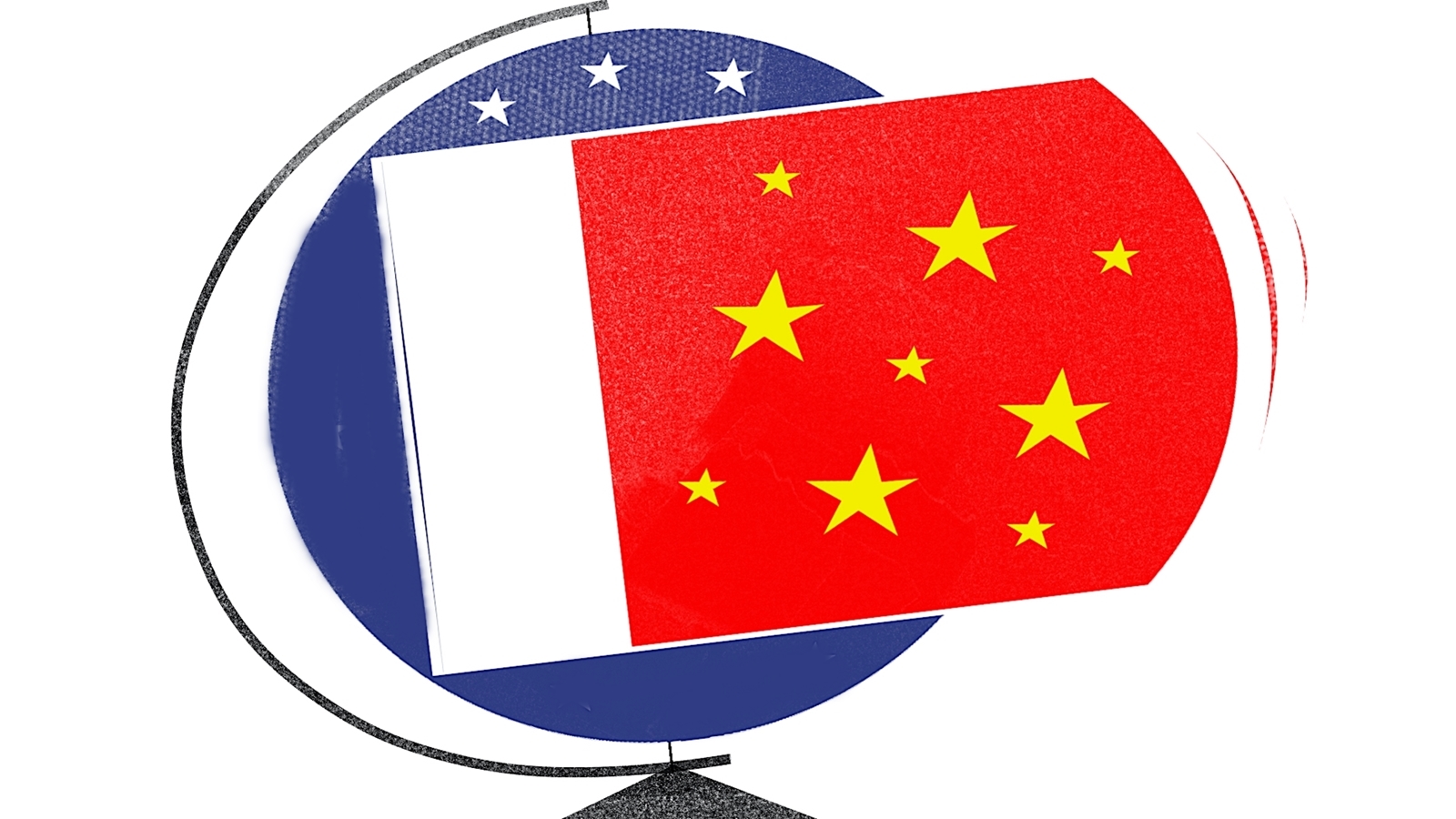
To address this issue, a global dialogue is needed to gradually rebalance China's economy in partnership with the US and other major economies. Given the scale of the challenge and the size and international implications of the Chinese economy, a globally coordinated approach, akin to the 1985 Plaza Accord, may be considered.
Written by urgent.news from The Indian Express's reporting — not their text. Machine-written — may contain errors; check the original before relying on it.