China reaches solar energy milestone — what does this mean for the world's largest greenhouse gas emitter?
China is rapidly expanding its ability to harness renewable energy sources.
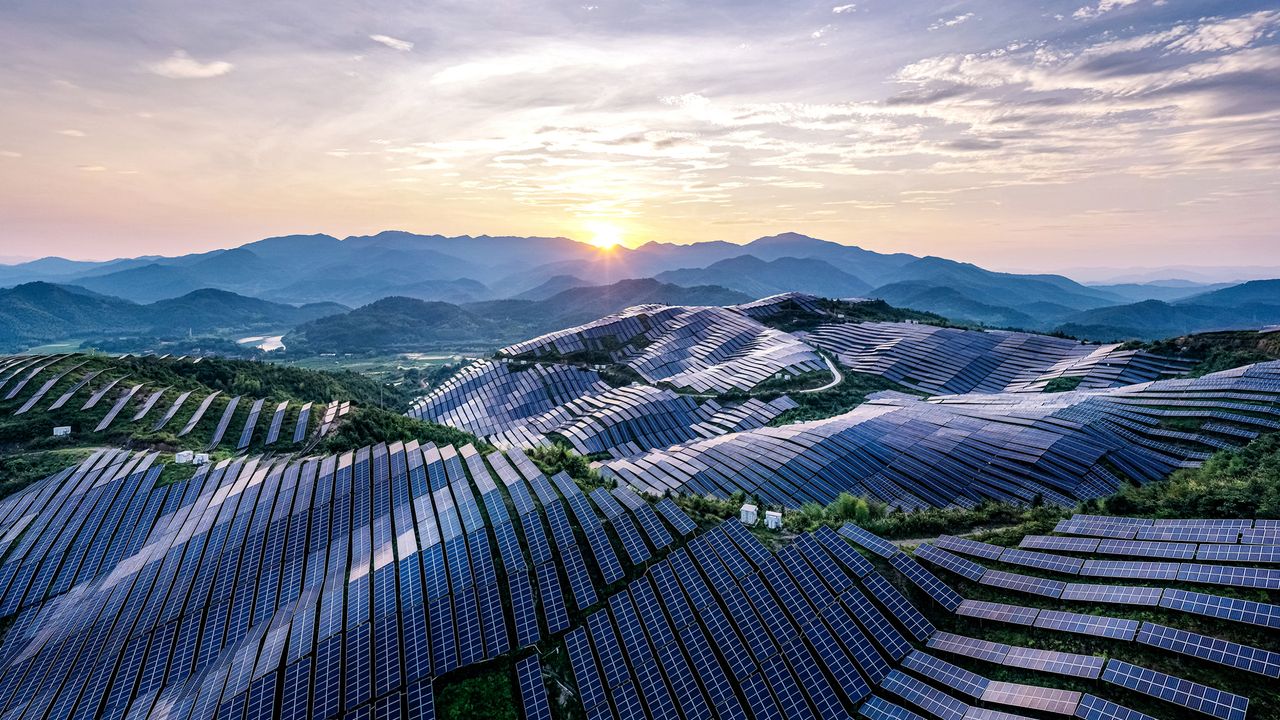
China has surpassed coal as the leading source of installed solar power capacity, a significant milestone in the nation's push for renewable energy. As of July, China possessed approximately 1,288 gigawatts (GW) of solar capacity, just slightly surpassing the 1,285 GW of coal-fired capacity. This development could have profound implications for global climate change efforts, as China is the world's largest annual greenhouse gas emitter, responsible for about 30% of global emissions.
If China's surge in renewable energy begins to supplant coal-fired power, the impact could extend well beyond Chinese borders.
While Matthew Davies, a UNESCO chair in sustainable energy technologies at Swansea University, recognizes this as a structural turning point, he emphasizes that it does not mean solar has entirely replaced coal. Solar power generation is contingent on sunlight availability, whereas coal plants can operate continuously. Hence, solar still supplies a smaller share of China's electricity than coal.
Despite China's solar power output increasing by 15.5% from January to July 2025, accounting for around 13% of the country's total electricity consumption, Davies cautions that sustained reductions in coal use are essential to push coal generation down in absolute terms. This transition will necessitate more than just building solar farms; integrating the new renewable power into the electricity system and addressing challenges such as grid expansion, transmission, storage, and demand flexibility are equally crucial.
Furthermore, Davies highlights the importance of ensuring the sustainability of the entire solar production process. This includes considerations about where technologies are manufactured, the sourcing of materials, the lifespan of the technologies, and their end-of-life reuse or recycling. China's vast manufacturing capacity could help drive down the global cost of solar panels, but the transition must also focus on making the solar production process environmentally friendly.
The global energy transition extends beyond merely replacing fossil fuels in current electricity systems; it encompasses enabling access to clean, affordable power for those who currently lack reliable electricity. Success will hinge on building a clean-energy system that is not only affordable and sustainable but also resilient and accessible worldwide.
Written by urgent.news from Live Science's reporting — not their text. Machine-written — may contain errors; check the original before relying on it.