Believe the hype: A cure for Alzheimer’s is in reach
Every day it seems scientists are making breakthroughs in Alzheimer’s disease. New treatments that actually slow the disease’s progression — lecanemab and donanemab — have finally appeared on pharmacy shelves in the past few years, delivering real-world results for patients and their families. New blood tests promise to identify at-risk patients earlier in their lives, giving them […]
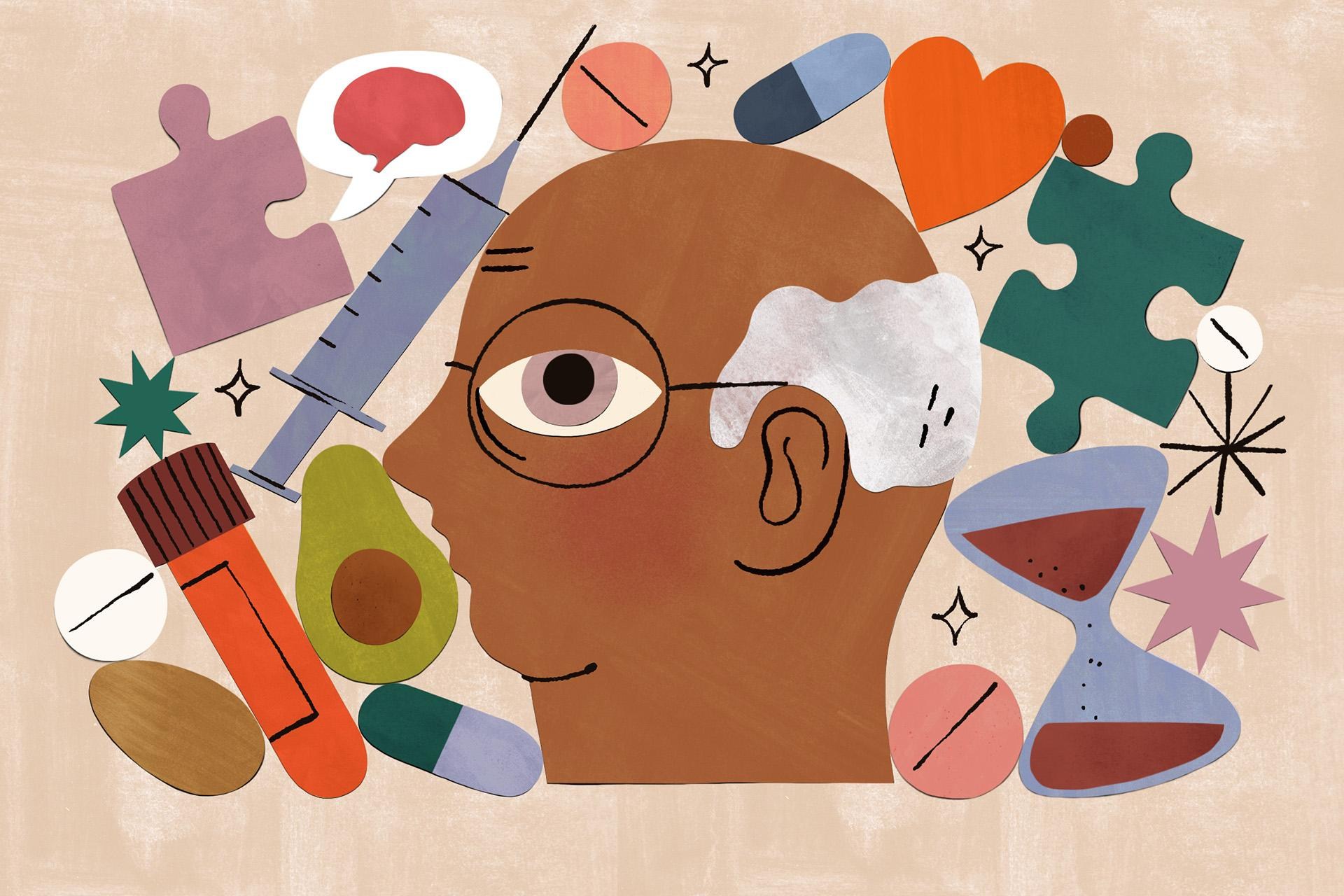
Believing the hype surrounding Alzheimer's research is warranted, as substantial progress has been made in recent years. Dr. Jason Karlawish, co-director of the Penn Memory Center, confirms that the field has witnessed a revolutionary shift in diagnosis and treatment since four or five years ago. Two new IV treatments, lecanemab and donanemab, have recently been approved and can slow cognitive decline for some patients, an achievement previously deemed unattainable.
Though these drugs are effective for mild cognitive impairment and may delay the progression of Alzheimer's, they do not stop or reverse the disease. Additionally, they carry risks such as brain bleeds. Despite these limitations, experts like Tara Spires-Jones, a professor of neurodegeneration, emphasize that these treatments represent a significant breakthrough, as people with Alzheimer's are still getting worse - just more slowly.
The scientific community now acknowledges the complexity of Alzheimer's disease and is shifting its focus from the amyloid hypothesis to a more comprehensive understanding of the mechanisms involved. Researchers are exploring tau-targeting treatments, with Biogen's diranersen and Eisai's drug showing promise in clinical trials. Future developments in amyloid-targeting therapies also aim to improve brain-blood barrier penetration for better patient outcomes.
In summary, the recent developments in Alzheimer's research provide a glimmer of hope, but experts caution that these treatments are not the ultimate solution. Further research and innovative drug targets are necessary to truly combat this devastating disease.
Written by urgent.news from Vox's reporting — not their text. Machine-written — may contain errors; check the original before relying on it.