8 years, one shot: Mercury's big test
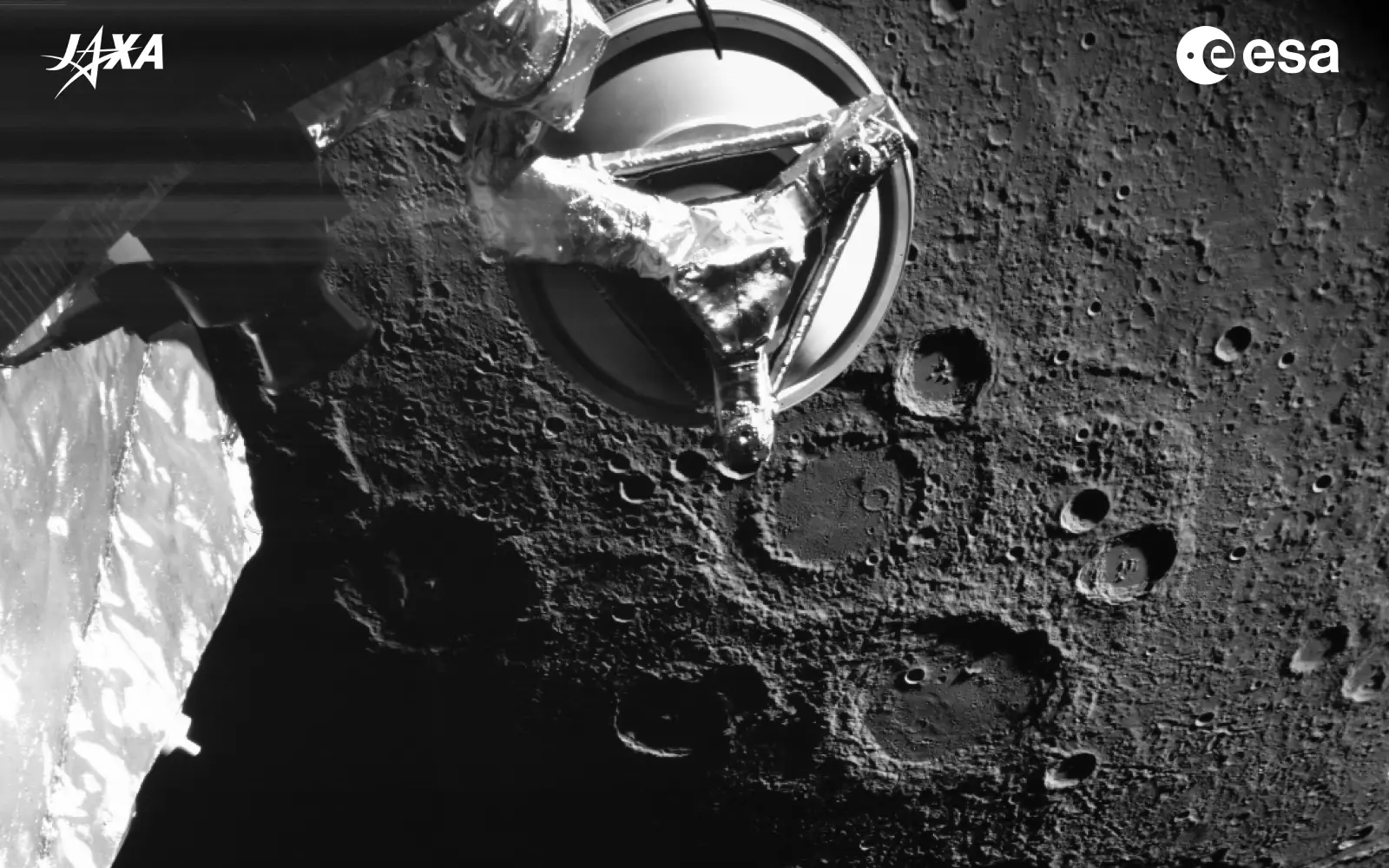
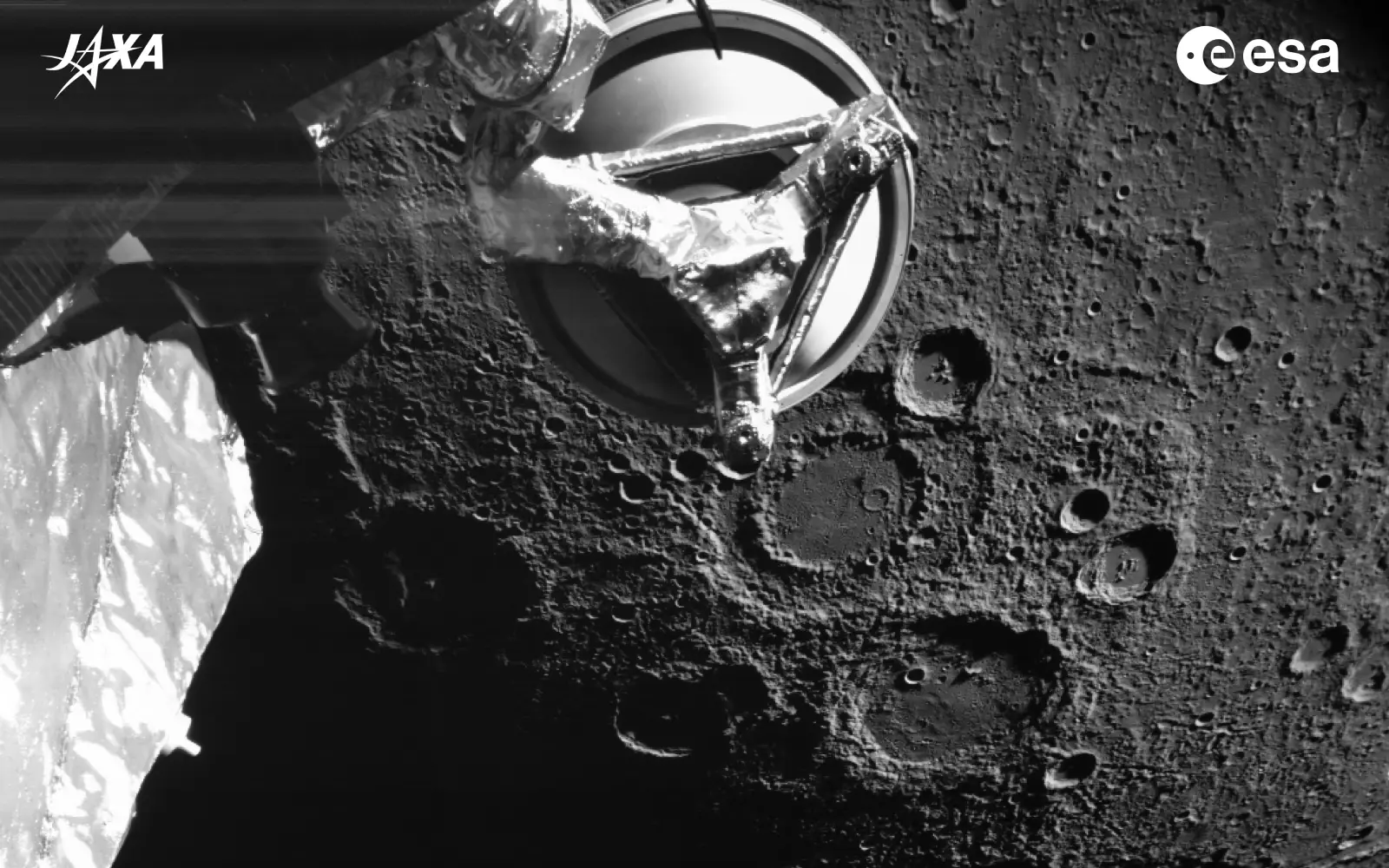
On Thursday, after an eight-year journey spanning ten billion kilometers, the BepiColombo spacecraft will arrive at Mercury, the smallest and least understood planet in our Solar System. This mission, a collaboration between European and Japanese space agencies, faces numerous challenges due to Mercury's extreme environment and weak gravitational pull.
As the spacecraft begins its arrival phase, the European Space Agency (ESA) has described it as one of the most operationally challenging planetary arrivals ever attempted. Mission manager Santa Martinez emphasized the ambitious nature of the mission, noting that Mercury's proximity to the Sun creates an extremely hostile environment.
The BepiColombo probes, currently attached together, will separate on Thursday, marking a new spacecraft launch from Mercury. ESA's Mercury Planetary Orbiter (MPO) will study the planet up close, orbiting as near as 480 kilometers from its surface, while Japan's Mercury Magnetospheric Orbiter (Mio) will analyze the space environment and magnetic field from an elliptical orbit extending up to 11,000 kilometers away.
Due to the vast distance from Earth, real-time operation will be impossible, with a 30-minute delay between checks performed on the ground and commands reaching the spacecraft. This autonomy requires thorough testing of critical components, including thermal controls, propulsion, and altitude systems, as many are being tested for the first time in this harsh environment.
The mission, with a budget of 1.7 billion euros, will provide unprecedented views of Mercury and its magnetic field, iron core, and surface features. Despite previous hurdles, such as a 2024 thruster glitch causing a closer flyby than planned, the mission remains on track. Upon completion, BepiColombo will open a new chapter in our understanding of the Solar System.
Written by urgent.news from The Economic Times's reporting — not their text. Machine-written — may contain errors; check the original before relying on it.