Wildfire haze forces 1.4 million Indonesian students into remote learning
JAKARTA: Around 1.4 million students in six Indonesian provinces have shifted to online learning due to poor air quality triggered by forest and land fires, an official said on Wednesday.
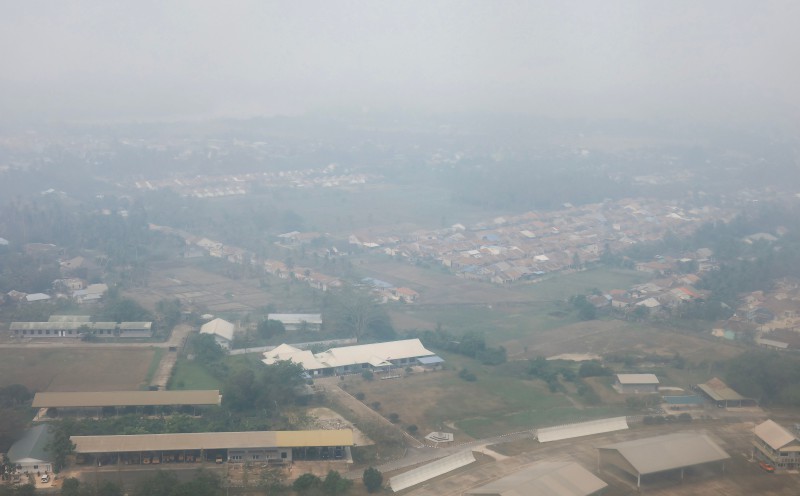
Jakarta: Approximately 1.4 million students across six Indonesian provinces have transitioned to remote learning due to hazardous air quality caused by forest and land fires, according to Gogot Suharwoto, an education ministry official. As of September 2, roughly 1.43 million students from 12,874 schools in the regions most severely impacted by the fires, including Riau, Jambi, South Sumatra on Sumatra, and West, Central, and South Kalimantan on Borneo, have been attending classes online.
The Indonesian government has ramped up efforts to curb the haze resulting from the wildfires in these six provinces. Of the 1.43 million students, over 1.1 million are in West Kalimantan, the province experiencing the most intense wildfires this year. The remote learning period will span from August 31 to September 4, with continuous evaluation every three days based on the Air Pollution Standard Index in each area.
If the index surpasses 200 in a specific location, remote learning will be implemented, as per Gogot's announcement. Forestry Ministry data revealed that many regions in Kalimantan recorded air pollution readings exceeding 200 on Wednesday, with some surpassing 1,000, with Southeast Pontianak in West Kalimantan being the most severely affected, with a reading of 1,023.
Indonesia classifies air quality as hazardous when readings exceed 300. School principals are authorized to take immediate action in urgent situations without waiting for conditions to worsen or consulting other authorities extensively. Forestry Ministry data indicate that around 200,000 hectares of land were burned by wildfires in the first seven months of the year, nearly doubling in July alone.
Wildfires consumed approximately 73,310 hectares of land across six priority provinces, as reported by Forestry Ministry data.
Written by urgent.news from New Straits Times's reporting — not their text. Machine-written — may contain errors; check the original before relying on it.