Why SA families struggle to discuss apartheid trauma with children
More than three decades after apartheid ended, many South African parents still find it difficult to talk to their children about its lasting psychological and emotional impact, a new study has found.
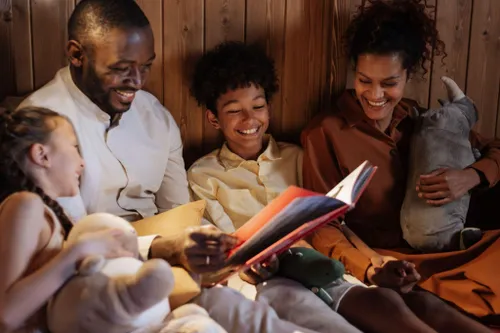
Three decades after apartheid's end, South African families continue to struggle with discussing the country's traumatic legacy with their children, a study reveals. Researchers from the University of the Western Cape, University of the Free State, and the University of Missouri found that parents typically don't initiate conversations about apartheid and its psychological toll.
Instead, they wait for children to bring up the subject after encountering it at school, in the media or through personal experiences of racism. The study, published in the Journal of Family Communication, surveyed 22 parents from the four racial groups – Black, White, Coloured, and Indian – to understand their approaches to discussing apartheid's history.
Apartheid's lingering effects continue to shape South African society, potentially causing stress, anxiety, uncertainty, and family dysfunction across generations. The researchers identified four main approaches parents use to talk about apartheid with their children: responding, empowering, shielding, and recognizing progress. Responsive parents wait for children to ask questions or mention something they learned or experienced, with these conversations often being unplanned and tailored to the child's age and understanding.
Empowering parents teach their children about apartheid's injustices to promote empathy, appreciation of diversity, and a commitment to a more equal society. Some parents adopt a shielding approach, limiting their children's exposure to the emotional pain associated with apartheid to protect them. Most parents emphasize acknowledging apartheid's continuing effects while encouraging children to recognize progress and appreciate how far South Africa has come since democracy.
Family conversations about apartheid play a crucial role in shaping younger generations' understanding of identity, race, fairness, and belonging. Storytelling can help families engage in honest, age-appropriate discussions that acknowledge painful experiences while fostering hope and empathy. Such conversations can also equip young people to learn from the past and contribute to a more inclusive future.
Written by urgent.news from IOL's reporting — not their text. Machine-written — may contain errors; check the original before relying on it.