Why leaders struggle with negative feedback
Years of psychological research show that leadership—the ability to coordinate collective human activity to turn a group of people into a high-performing team or unit—can be effective only if leaders are capable of providing people with constructive feedback . This means telling them what they need to hear to improve their performance, especially when it is not what they want to hear to boost…
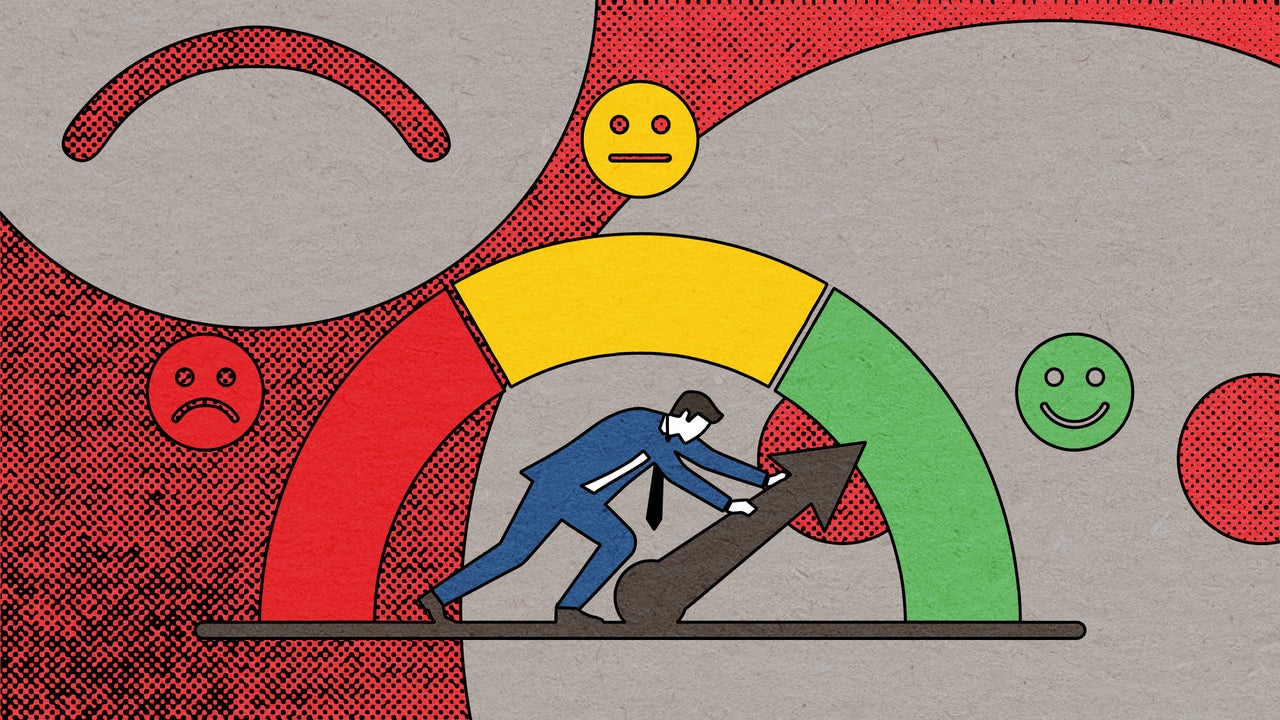
Leadership requires a leader's ability to coordinate collective human activity and provide constructive feedback, enabling individuals to improve their performance. In an era that prioritizes self-belief and confidence over self-knowledge and competence, giving reality checks and aligning self-perceptions with actual capabilities is a crucial skill. However, providing negative feedback is challenging for many, due to psychological insecurities and the tendency to distort reality in our favor.
One study found that, while feedback generally improves performance, more than a third of feedback interventions actually lower performance. This is attributed to deep psychological insecurities and an ability to create a self-optimizing environment. Despite the progress made since medieval times, we still face unique challenges.
Leaders are often evaluated through 360-degree feedback, and firms often prioritize "happy workers" over productivity, making it risky to give negative feedback. Furthermore, there is a lack of training on how to effectively deliver negative feedback, and leaders may simply give up on this skill, opting to replace underperformers or focus on praising high performers.
Written by urgent.news from Fast Company's reporting — not their text. Machine-written — may contain errors; check the original before relying on it.