Why an Indian cobra spread its hood: Learn about the snake’s dramatic display
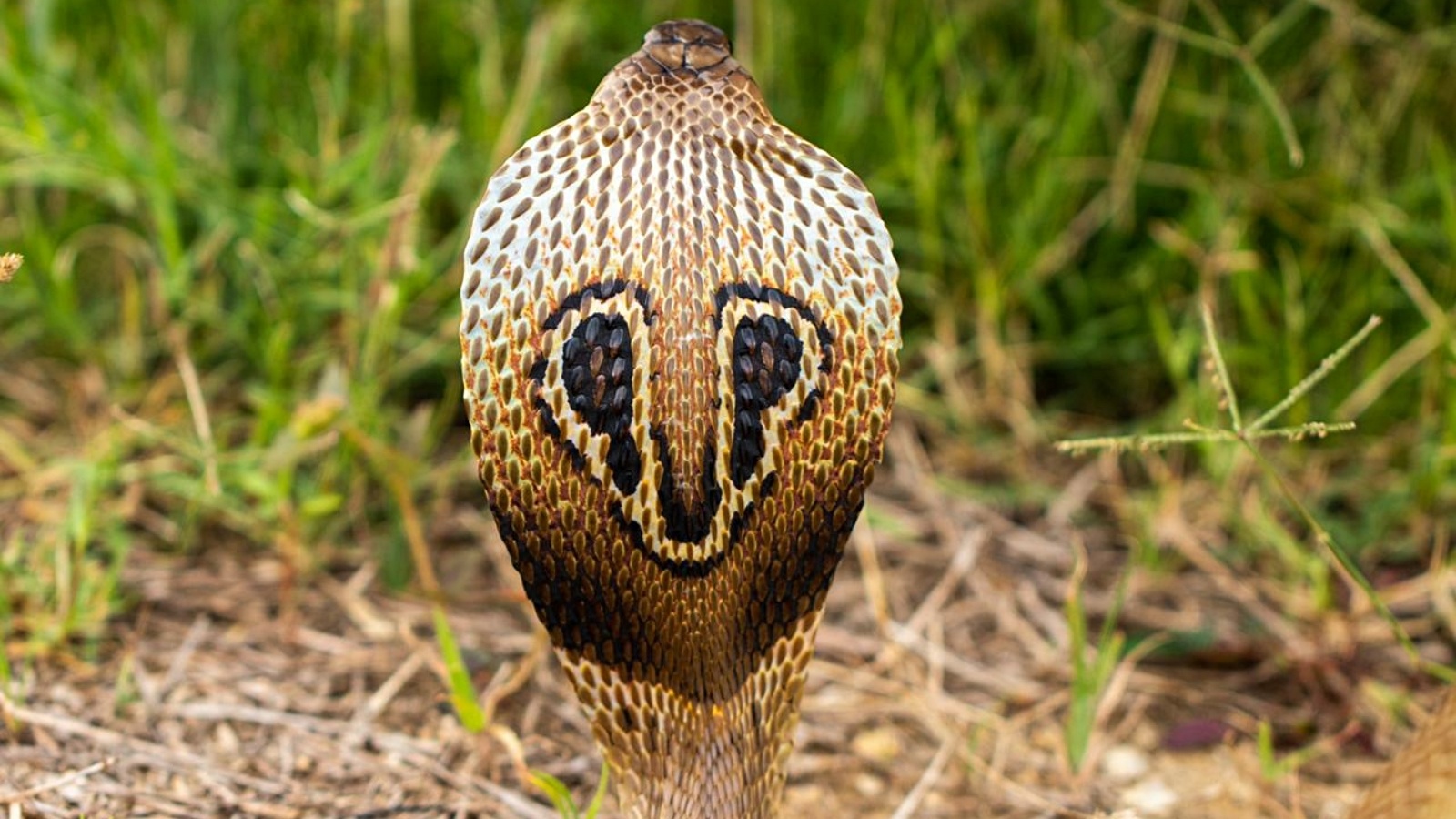
When an Indian cobra spreads its hood, it is often seen as a dramatic and intimidating display. However, the snake's intentions are usually quite simple: it is attempting to appear larger and more threatening in order to deter potential predators or threats. The Indian cobra (Naja naja) uses this defensive posture when it feels threatened or disturbed.
The hood is not a separate structure that the snake can simply open like a flap. Instead, it is formed by the snake spreading multiple ribs in its neck, which stretches the loose skin between them. Computed tomography images show that the hood is an active lateral expansion of the neck's skin, underlying musculature, and ribs. When the hood is fully erected, the snake's relatively narrow neck becomes a broad, unmistakable shape that is hard to ignore.
While a hooded cobra may seem poised for a strike, this is not always the case. Cobras often raise the front part of their body, hiss, or sway as part of their defensive behavior. If the threat persists, the snake may escalate and strike. Approaching, chasing, or cornering a hooded cobra is dangerous and should be avoided. The cobra's hood serves as a crucial warning signal, making the snake appear larger and more intimidating.
For a snake trying to avoid confrontation, this display is an effective deterrent. The distinctive markings on the cobra's back are characteristic of the species, although they can vary between individuals. If you encounter an Indian cobra spreading its hood, it is best to give it space and allow it to retreat.
Written by urgent.news from The Indian Express - Lifestyle's reporting — not their text. Machine-written — may contain errors; check the original before relying on it.
This story
This is one outlet's version. Read the fullest account.