Why an Indian cobra spread its hood: Learn about the snake’s dramatic display
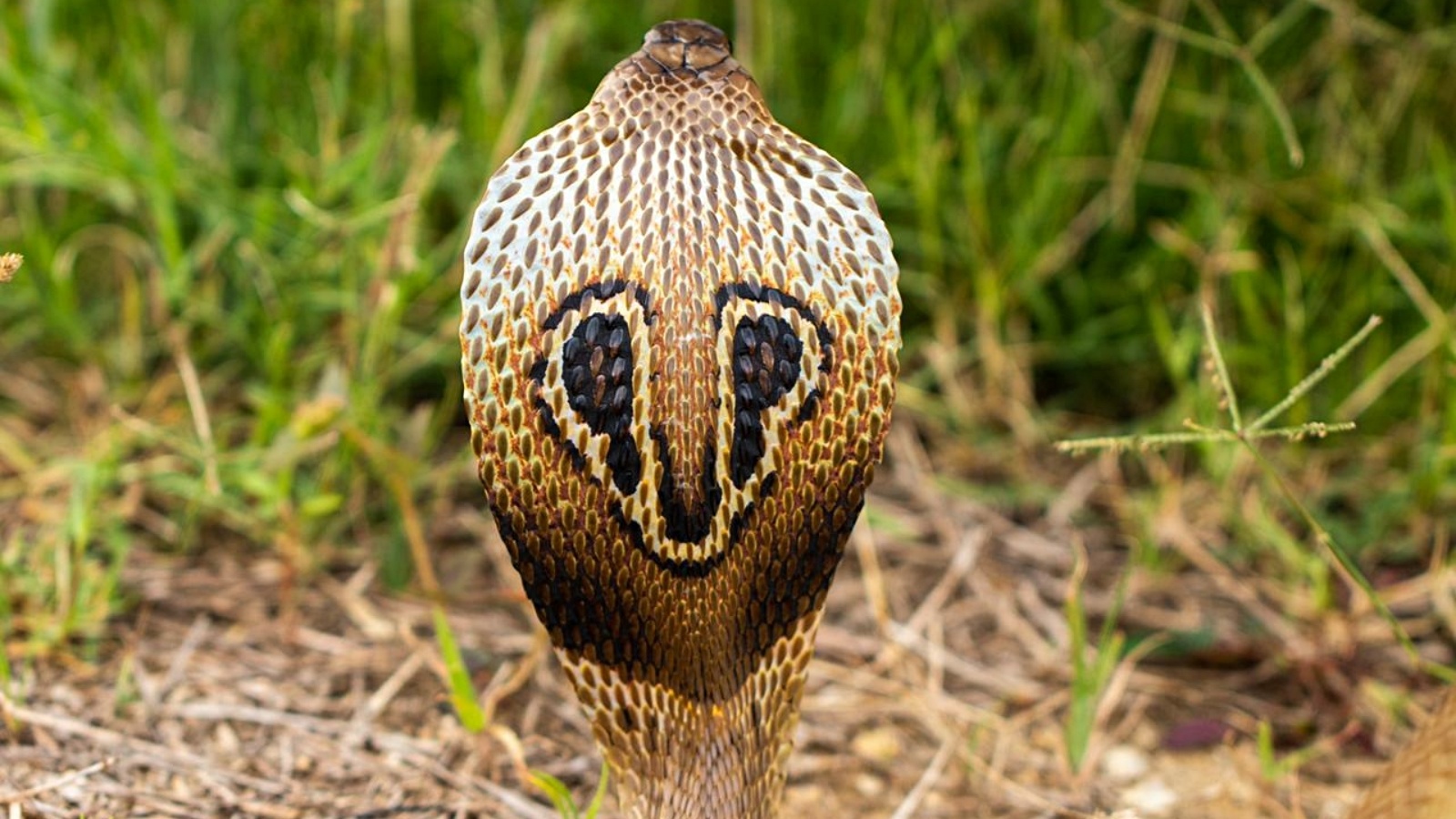
The Indian cobra (Naja naja) is known for its dramatic display of spreading its hood, a behavior that often leaves observers wondering about the snake's intentions. This defensive show of strength is typically a warning to potential threats, signaling that the snake should be kept at a distance. The hood itself is not a separate structure that the cobra can simply open like a lid; it is an active expansion of the snake's neck skin, underlying muscles, and ribs.
According to The Journal of Experimental Biology, this lateral expansion of neck skin and musculature creates a broader, more intimidating appearance. Contrary to the impression it may give, a hooded cobra is not necessarily on the brink of attack. Instead, spreading the hood is part of the cobra's repertoire of defensive behaviors, which may include raising the front of its body, hissing, or swaying.
If the threat persists, the cobra may choose to strike. Therefore, it is crucial to remember that an Indian cobra spreading its hood is not an aggressive act, but rather a warning sign. Approaching, chasing, or cornering a hooded cobra can be dangerous, as it may escalate its defensive response. The purpose of this display is to appear larger and more threatening, potentially deterring predators or other perceived dangers.
The distinctive hood marking on the Indian cobra's back serves as an additional visual deterrent. So, the next time you encounter a cobra with its hood spread wide, remember that it is not a challenge—it is a warning to back off and give the snake space to retreat safely.
Written by urgent.news from The Indian Express's reporting — not their text. Machine-written — may contain errors; check the original before relying on it.