What Will the Future of Alaskan Wildfire Look Like?
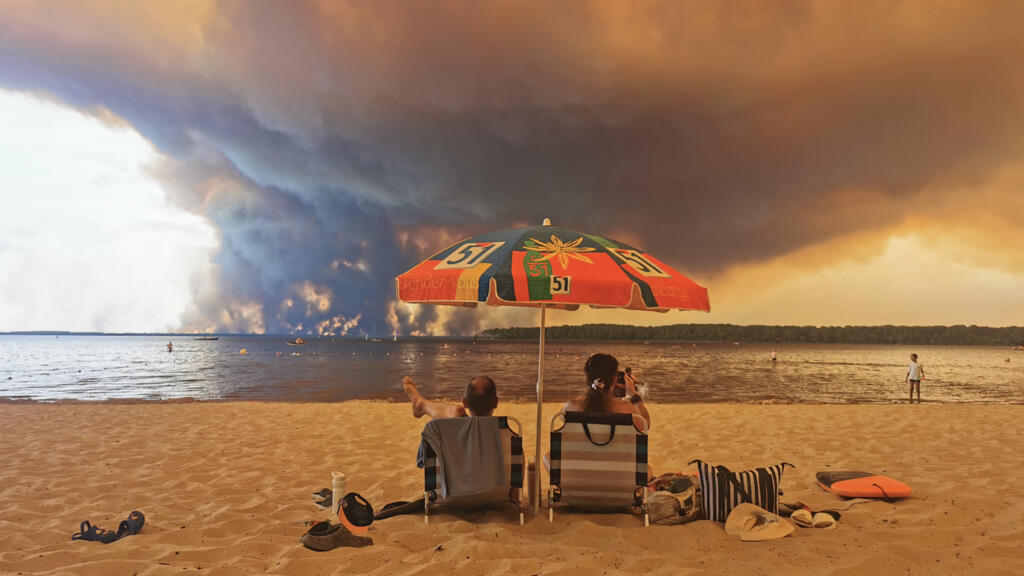
More and larger fires, including in areas of historically low fire activity, are likely but not a given.
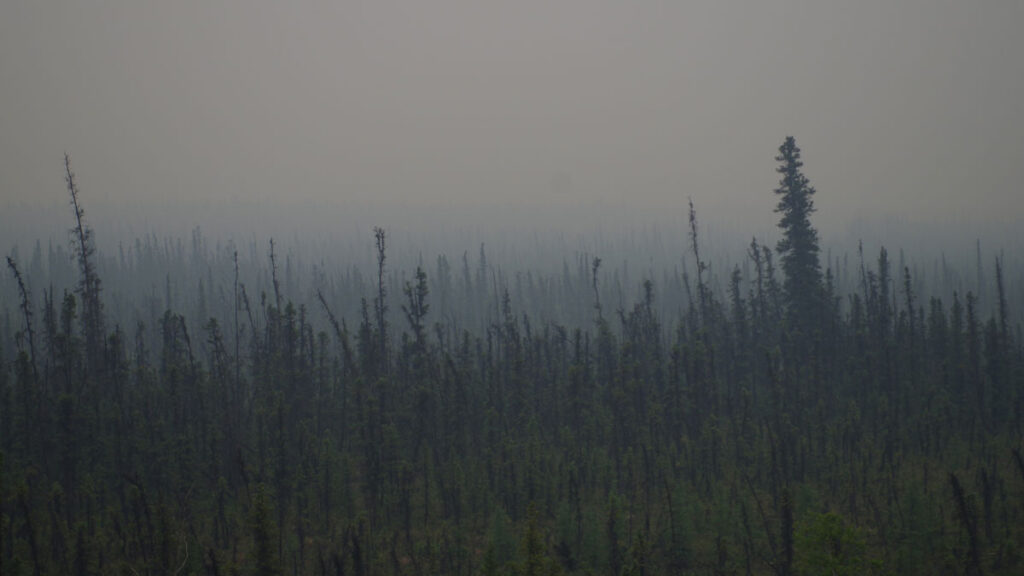
Climate change is reshaping wildfire patterns in Alaska, leading to larger and more frequent fires in regions that have traditionally experienced low fire activity. Predicting wildfires is complicated due to the complex interactions between climate, ecology, and weather, but understanding potential fire pathways is crucial for forecasting, adaptation, and management.
Littell et al. utilized temperature and precipitation data from the CMIP5 climate models to examine how fire activity in boreal Alaska might evolve during the 21st century. By inputting this data into the ALFRESCO landscape model, they generated various fire and vegetation scenarios, focusing on moderate and high greenhouse gas emission levels.
Despite some discrepancies among individual models regarding burn area increases, the most probable outcome, regardless of emissions path, is that the median annual wildfire area in Alaska will more than double, particularly under high-emission scenarios.
Regions that currently experience fewer wildfires, such as the Alaskan Arctic and western Alaska, may see up to an eightfold increase in fire activity. Additionally, ecosystems are expected to become more dominated by deciduous trees as spruce species are displaced by fire. However, the future of Alaskan wildfires remains uncertain.
A combination of lower warming temperatures and higher summer precipitation could keep wildfire activity within historical bounds. Furthermore, the balance between less-flammable deciduous trees and more-flammable spruce will also likely influence fire activity. The study highlights that lower levels of warming coupled with increased summer precipitation might prevent wildfire activity from exceeding historical levels.
Moreover, the future balance between deciduous and spruce trees could significantly impact fire activity. One key limitation identified in the current results is that the ALFRESCO model was trained using historical fire-vegetation dynamics. Future scenarios, such as increased flammability of vegetation under novel climates, could differ substantially, thus altering the trajectory of fire activity in the region.
For fire managers, the findings suggest that promoting vegetation diversity in terms of age, species composition, and spatial coverage could potentially decrease the likelihood of large fires. Implementing diversity in wildfire fuel through suppression, controlled burns, fuel treatments, and other strategies could serve as an effective management approach.
Written by urgent.news from Eos's reporting — not their text. Machine-written — may contain errors; check the original before relying on it.