US nuclear gas experiment produced 213m cubic feet, but gas was radioactive
In 1967, the US detonated a 29-kiloton nuclear device 4,227 feet underground in New Mexico to boost natural gas production. Five tests produced 213 million cubic feet of gas, but it contained measurable radioactivity. The experiment was later ended, the site cleaned up, and radioactive contamination remains underground in the blast zone.
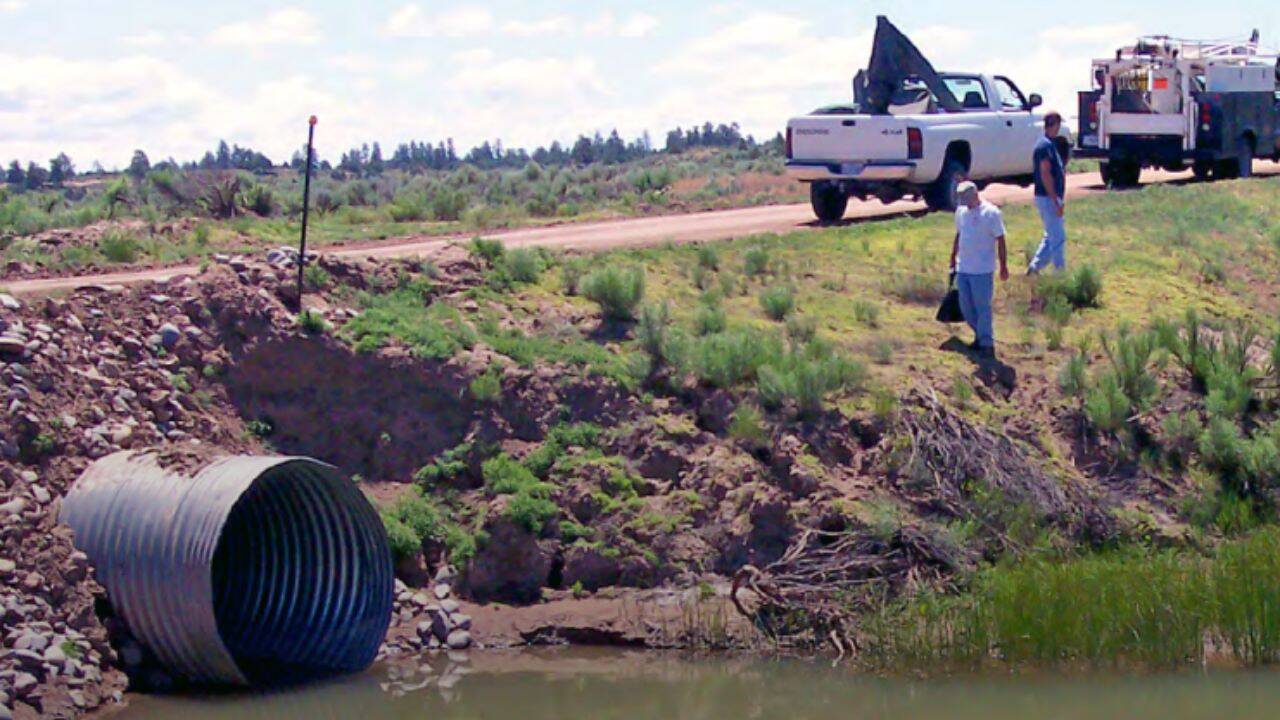
In 1967, the United States conducted a unique experiment to boost natural gas production by detonating a nuclear device deep underground. Known as Project Gasbuggy, the test took place in Rio Arriba County, New Mexico, near the town of Dulce. The blast, equivalent to a 29-kiloton explosion, occurred 4,227 feet below the ground in an emplacement well called GB-E.
The objective was to fracture the rock surrounding a gas-bearing formation, creating pathways for natural gas to flow more efficiently. The test was part of the Plowshare Program, which aimed to explore peaceful applications of nuclear energy. The Atomic Energy Commission, in collaboration with the US Department of the Interior and El Paso Natural Gas Company, carried out the project.
When the nuclear device exploded, the intense heat vaporized some surrounding rock, creating a cavity filled with fractured rock. As the cavity cooled, melted and vaporized rock solidified into melt glass, trapping most radionuclides with high melting points. A re-entry well, GB-ER, was drilled into the collapse chimney to test gas flow from the detonation zone.
The experiment produced 213 million cubic feet of natural gas over five production tests between July 1968 and October 1969. However, the gas contained radioactive constituents and had a lower heat value than expected. The fractures created above the cavity did not spread into the gas-bearing formation as anticipated, resulting in less gas stimulation than hoped.
After evaluating the results, officials decided in 1976 to end further testing at the Gasbuggy site. The site was decommissioned and cleaned in 1978, with radioactive waste injected into the former underground cavity and solid waste removed and transported elsewhere. Soil sampling, cultural resource surveys, and environmental studies were conducted over the years.
Today, the area remains under the control of the US Department of Energy, which continues to monitor the site for any radioactive contamination. While the surface has been cleaned up, radioactive material persists underground near the blast site. The DOE has found no evidence of contamination spreading to nearby natural gas wells or water sources. The site is now largely back to its original use, with only a few historical markers and a parking area remaining as a reminder of the experiment.
Written by urgent.news from Times of India's reporting — not their text. Machine-written — may contain errors; check the original before relying on it.