Artificial flood from Glen Canyon Dam rebuilt Grand Canyon sandbars in 8 days
In 1996, a controlled flood was executed in the Grand Canyon to rejuvenate its natural river dynamics. Leveraging the Glen Canyon Dam, scientists released substantial volumes of water to transport sediment downstream, with the goal of restoring sandbars that had diminished due to the dam's existence. This initiative highlighted the potential of dam operations to contribute positively to…
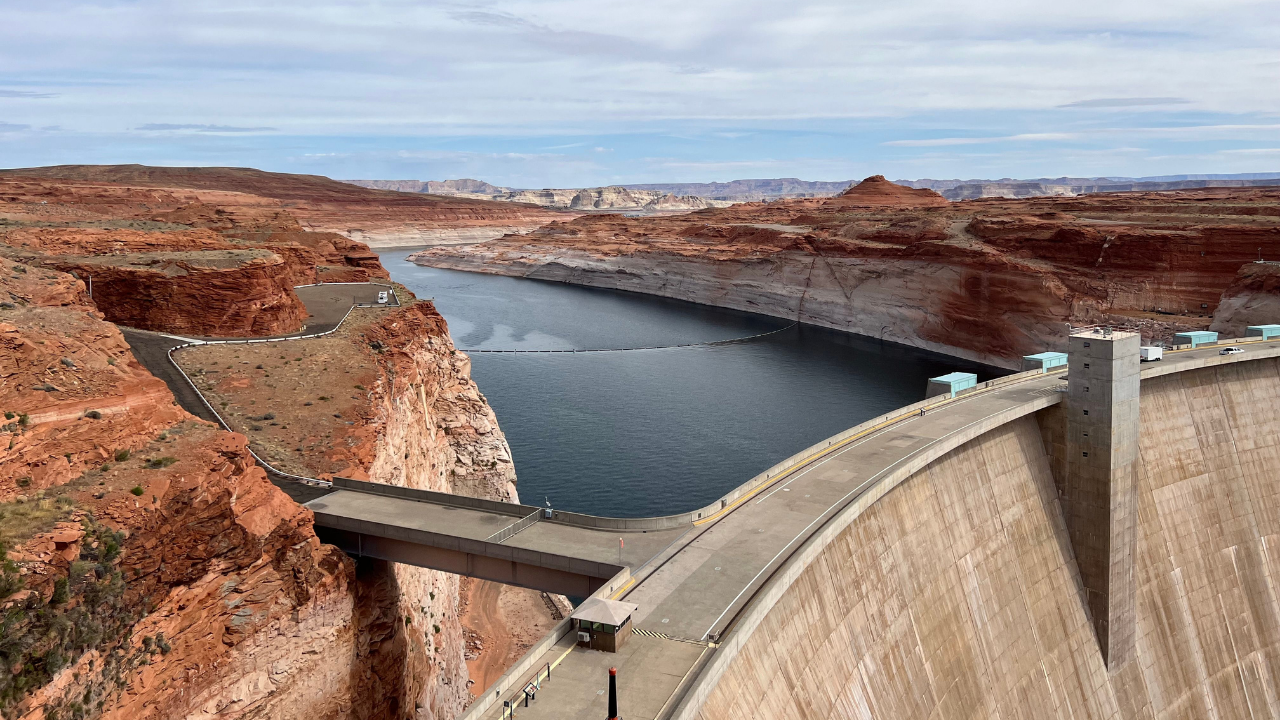
In 1996, scientists conducted a unique experiment involving the Colorado River in the Grand Canyon by deliberately flooding the area. The U.S. Geological Survey and other agencies utilized the Glen Canyon Dam to release significant amounts of water, reaching rates of 45,000 cubic feet per second over the course of eight days. This controlled flood aimed to recreate natural processes disrupted by the dam's construction, specifically to move sediment and rebuild sandbars along the canyon.
The high-flow release was designed to address how the dam had altered the river's flow and sediment dynamics, leading to the erosion of sandbars previously formed by seasonal floods. By carefully timed surge of water, the experiment sought to redistribute sediment already present in the river system, depositing it along the river's margins and on sandbars.
Sandbars play a crucial role in the canyon's ecosystem, providing essential habitats for various species and serving as important sites for river runners. The 1996 flood demonstrated the potential for dam operations to manipulate river flows for ecological purposes, restoring at least temporarily some of the natural flood regime in the Grand Canyon.
However, the effects of such controlled floods were temporary, as subsequent river flows could erode the redistributed sediment. This experiment paved the way for a new approach to river management, emphasizing the use of strategically designed high-flow releases to restore sediment transport and sandbar formation when conditions allow.
Written by urgent.news from Times of India's reporting — not their text. Machine-written — may contain errors; check the original before relying on it.