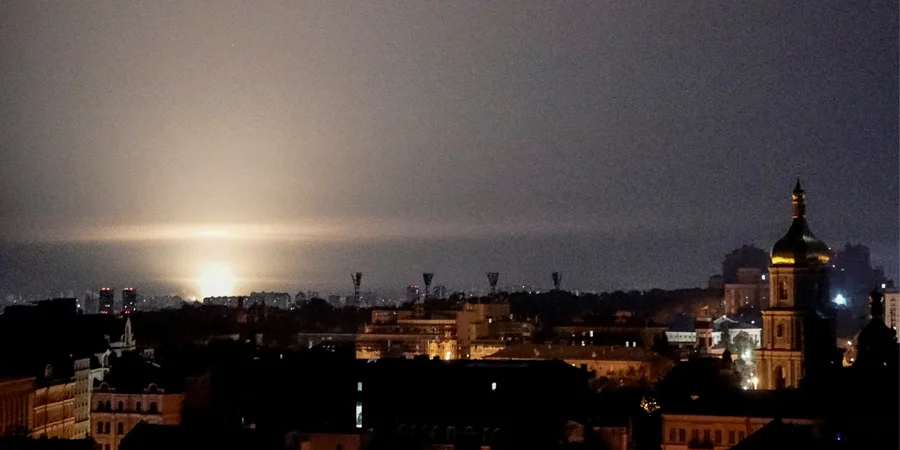
Ukrainian drones turn on Ozon
Ukraine continues to strike Russia’s e-commerce companies, escalating its campaign last week to target Ozon, Wildberries’ main rival, for the first time.
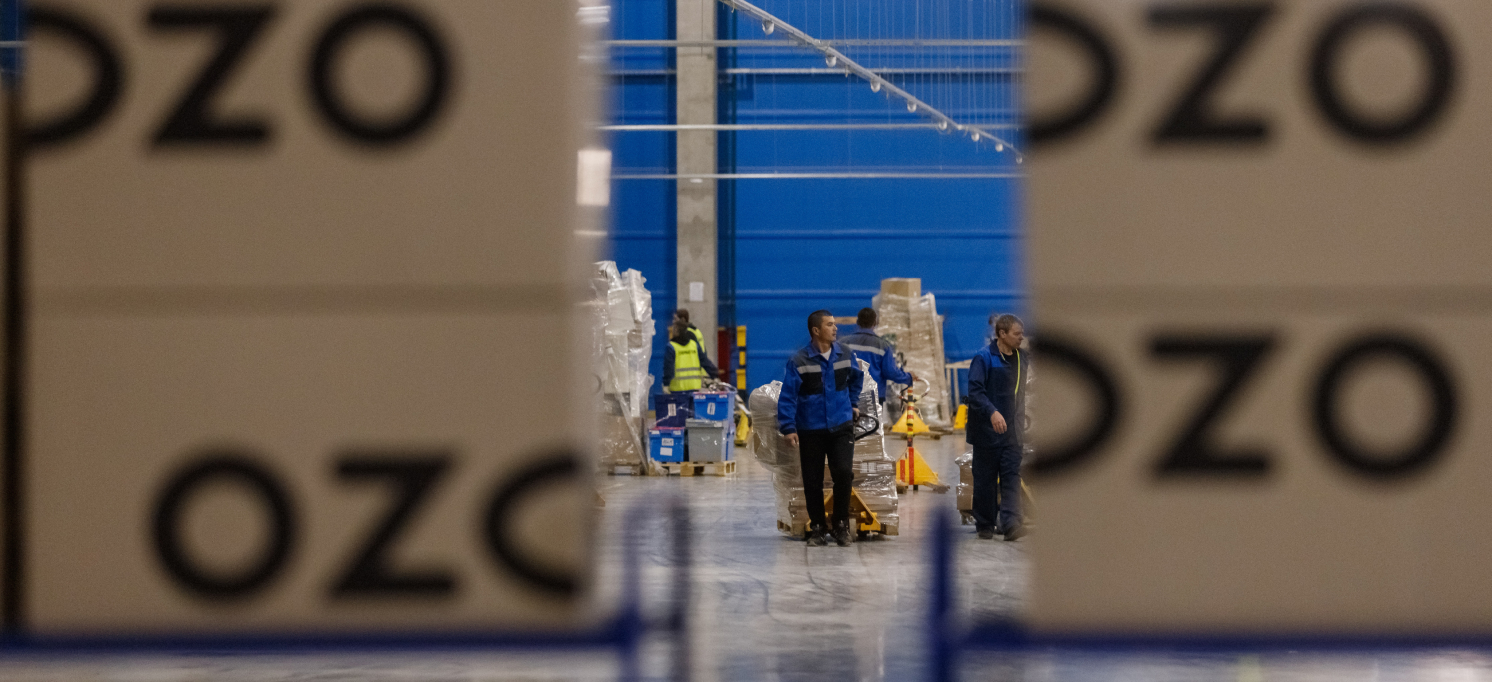
Ukraine's drone strikes have recently turned their attention to Russia's e-commerce giant, Ozon, marking the first time the attacks have targeted the company. The intensity of these attacks has raised concerns among Russian authorities, prompting the threat of nationalization to encourage businesses to invest in their own defenses.
The first attack on Ozon occurred on August 22, striking a logistics center in the Samara region, which was eventually put out of action due to a fire. Subsequent strikes in Orenburg, Adygea, Stavropol Region, and Bashkortostan further crippled the company's operations.
Ozon, a publicly-traded company, experienced a significant drop in share value after the strikes, falling by 32% during trading. In contrast, Wildberries, Ozon's main competitor, has been continuously targeted by drone strikes. A warehouse in the Tambov region, freshly reopened after a July strike, was burned down, highlighting the potential consequences of the Kremlin's approach to rebuilding damaged infrastructure.
The attacks on Ozon have also shed light on the company's connections to Russia's oligarchs. Analysis revealed that 35% of Ozon was owned by venture capitalist Alexander Chachava, who had amassed billions in internet company holdings since 2022. Further investigation traced the funding of Chachava's Ozon investment to billionaire Gennady Timchenko. Allegations suggest that Kremlin associate Yury Kovalchuk benefited the most from the Ozon deal.
When comparing Wildberries and Ozon, it appears that targeting Wildberries would be more advantageous for Ukraine. Wildberries has significantly higher debt, up to 1.3 trillion rubles, compared to Ozon's lease payments. This concentration of financial risk among creditors, particularly state bank VTB, could result in a systemic crisis if Wildberries' warehouses are destroyed.
The total estimated losses for Ozon reach over 100 billion rubles, while Wildberries faces a bill of 517-580 billion rubles for damage and destroyed goods, with rebuilding costs ranging from 186-344 billion rubles. The Kremlin has urged businesses to invest in anti-drone defenses, but due to high military spending and a ballooning budget deficit, the cost of these measures falls on the private sector.
Written by urgent.news from The Bell's reporting — not their text. Machine-written — may contain errors; check the original before relying on it.