Traditional drying of Barhi dates in Riyadh Al-Khabra preserves harvest
Residents of Riyadh Al-Khabra rely on traditional Barhi date drying methods to extend shelf life, drawing on generations of agricultural expertise.
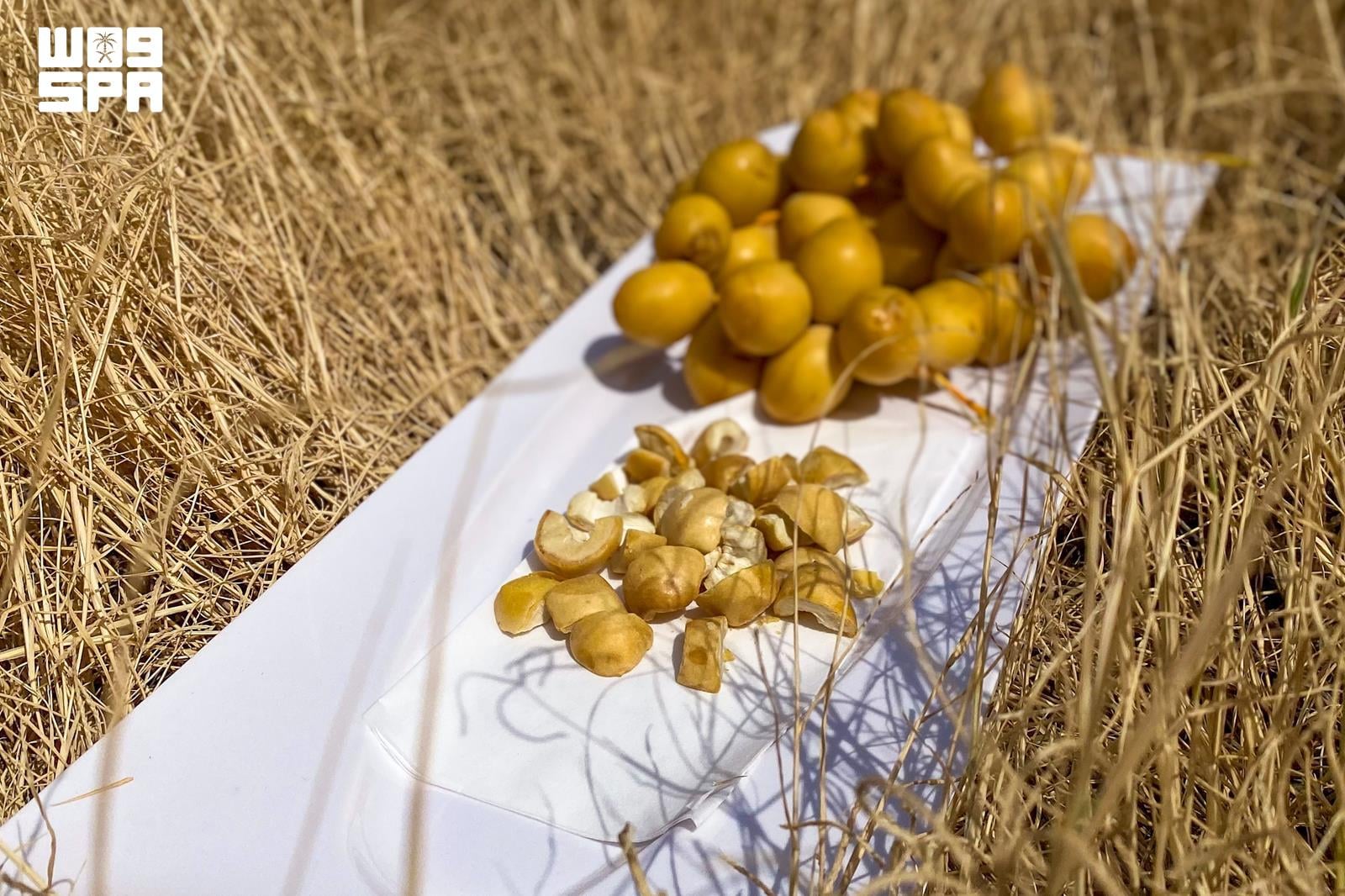
Residents of Riyadh Al-Khabra in the Qassim region of Saudi Arabia have long relied on traditional methods for drying Barhi dates, a variety of the fruit cultivated across several regions of the Kingdom. For generations, farmers have passed down techniques for drying and storing this surplus harvest to extend its shelf life and allow for year-round consumption.
Barhi dates undergo gradual color and flavor changes as they ripen, starting as yellow with an apricot hue, turning amber during the rutab stage, and finally becoming light brown when fully mature. Before modern refrigeration and packaging, drying dates at home or on farms was the norm, with farmers selecting appropriate dates and adapting drying methods to the local environment to create a year-round supply.
The drying process, which reduces moisture content to around 20% and stores dates at about 25°C, helps prevent microbial growth and extends the shelf life of these nutrient-rich fruits. Beyond food preservation, traditional date drying methods showcase generational agricultural expertise in managing harvests and reducing waste, embodying sustainability and efficient resource use.
In recent years, advancements in date processing and packaging have allowed traditional practices to be adapted, creating new products based on dried dates that meet modern consumer demands and expand market opportunities for agricultural goods. The Qassim region plays a pivotal role as a major agricultural hub for date production, utilizing a diverse range of palm varieties and related activities.
This enables the integration of traditional expertise into modern practices, adding value to local products. The process of drying Barhi dates represents a crucial stage in the journey of Saudi dates from harvest to storage, converting seasonal abundance into a year-round consumable product. This approach harmonizes inherited knowledge with contemporary needs, linking the agricultural past with sustainability and waste reduction objectives.
Written by urgent.news from Ajel English's reporting — not their text. Machine-written — may contain errors; check the original before relying on it.