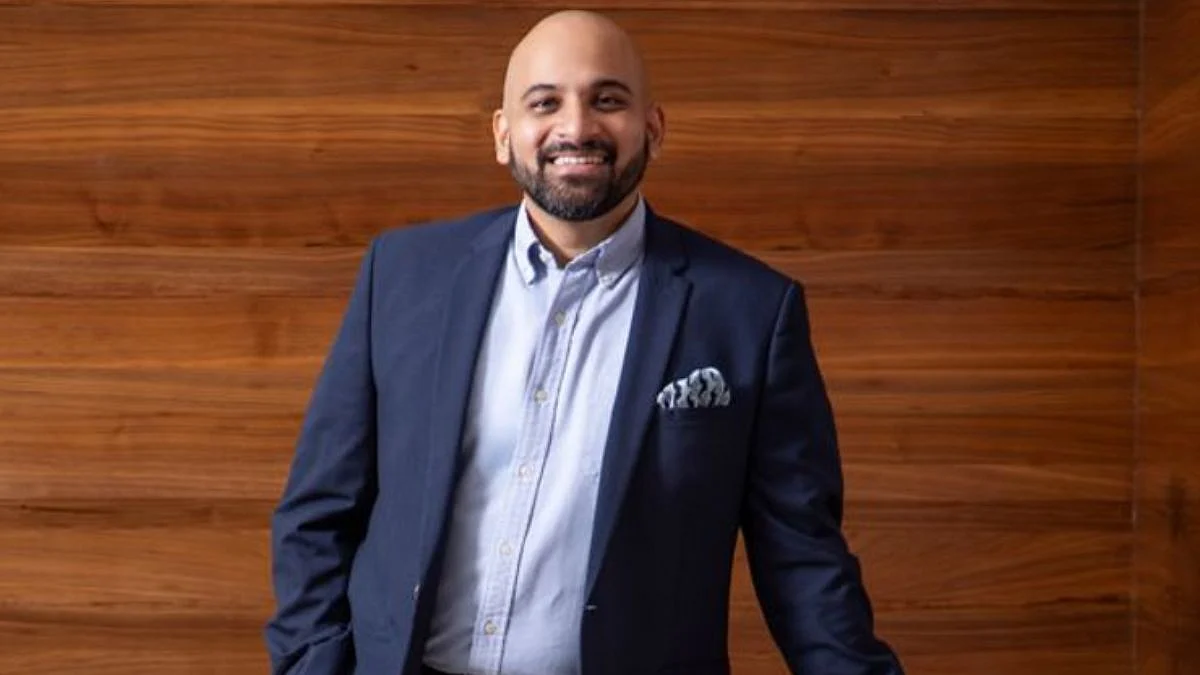
Tim Cook made Apple unshakeable, now John Ternus has to shake it
Tim Cook took a company built on bets and stopped betting. He built the supply chain, the services, the margins, and an Apple that absorbs tariffs, lawsuits and a botched AI launch without changing direction. That durability is now the problem. John Ternus is the first hardware man in charge in thirty years, and he starts with Cook's desk, Cook's pipeline and Cook down the hall.
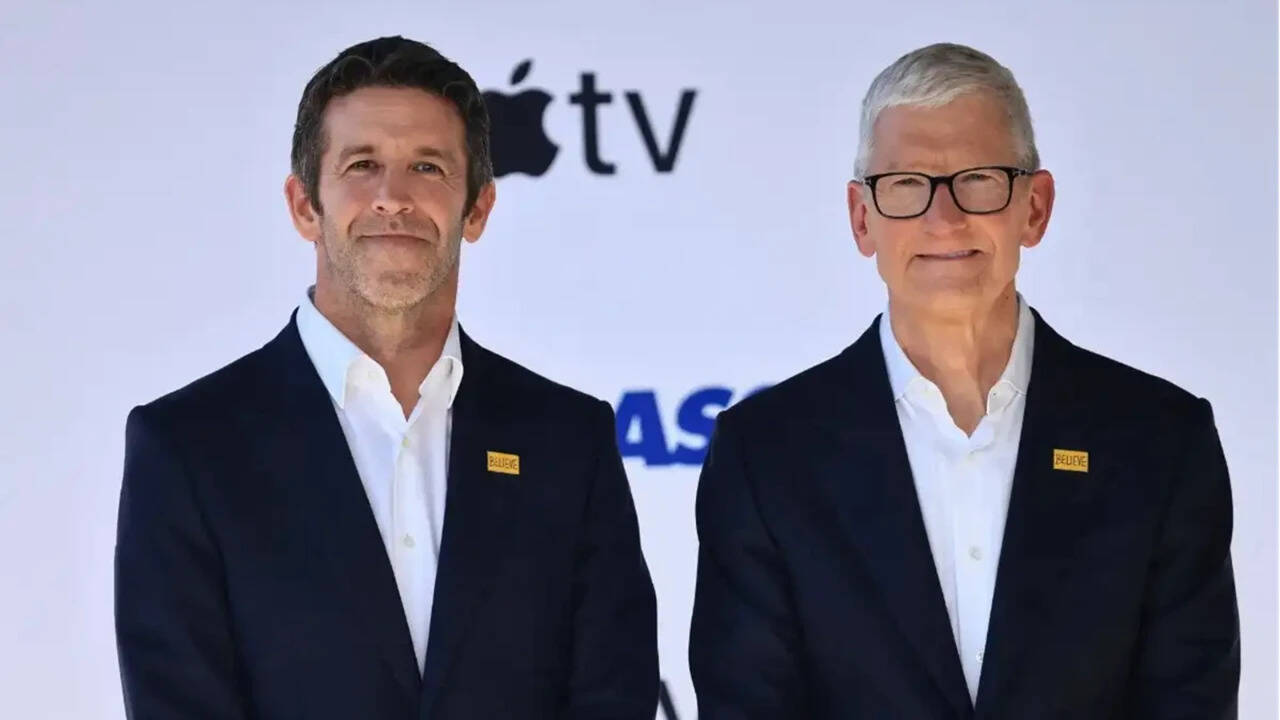
In 2011, Apple's old Infinite Loop campus saw an office remain empty and unoccupied since the time of Steve Jobs. Fifteen years later, it was expected that John Ternus would occupy Tim Cook's office when he became the new CEO. Cook, on the other hand, maintained a distance from his predecessor and spent fifteen years being compared to him.
Ternus has now accepted his role as executive chairman, stating that he will continue to run operations in Washington and Beijing, just as he did during his previous tenure. Cook, who cherished the role he loved, will stay on as Apple's CEO.
The Apple that Cook inherited in 2011 was built to weather challenges rather than revolutionize the market. Jobs had gambled on eight products that could have potentially led to the company's demise: the iMac, iPod, iPhone, iPad, among others. Cook, however, focused on capitalizing on the success of the iPhone, understanding its value, and building a robust ecosystem around it.
This strategy resulted in services revenue surpassing Apple's pre-Tim Cook days, with the company's market valuation increasing fifteenfold and employee count swelling to over 2.5 billion active devices.
Cook's approach primarily focused on refining operations, which he had been engaged in since 1998. Assembling a team of experts, he managed to squeeze out higher margins from each component by optimizing costs. The most notable move was replacing Intel with Apple's custom silicon, which boosted gross margins from around 40% in 2011 to nearly 50% today. However, not all of Cook's efforts bore fruit, with projects such as the Vision Pro and the iPhone Air failing to find significant market traction.
Despite these setbacks, Cook's operations-centric strategy proved invaluable during times of crisis. For instance, when faced with tariffs in April 2024, Apple's stock value rebounded within weeks. Similarly, the EU's tax claims and potential monopoly lawsuits did little to dent the company's growth. Cook's operational expertise ensured that Apple remained resilient in the face of adversity.
However, this operational focus also had its drawbacks, particularly in the realm of artificial intelligence. Cook's hands-off approach led to AI-related mishaps, including the underwhelming launch of Apple Intelligence and the delayed rollout of Siri updates. Additionally, Apple's decision to rely on Google's Gemini for Siri's AI capabilities proved to be a missed opportunity. As a result, Ternus, appointed as Apple's new CEO, must now focus on product development, a stark contrast to Cook's operational approach.
Written by urgent.news from Times of India's reporting — not their text. Machine-written — may contain errors; check the original before relying on it.