Tesla set to hold Cybercab event in Austin, Texas
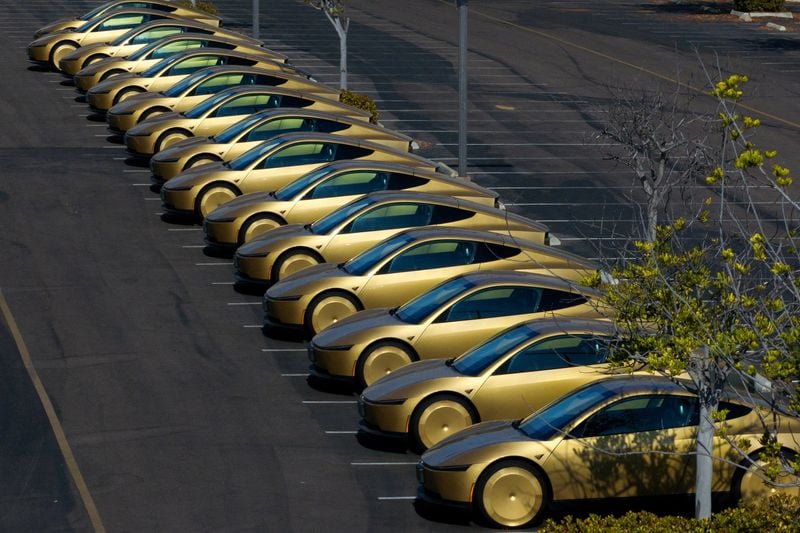
Tesla is scheduled to host a Cybercab event in Austin, Texas, on Thursday, generating significant excitement and raising questions regarding regulatory challenges and the technology's safety. The Cybercab is a two-seater vehicle equipped with butterfly doors and devoid of a steering wheel or pedals, marking Tesla's inaugural vehicle explicitly engineered for autonomous driving.
The Cybercab is not a recent development; it was unveiled approximately two years ago at Warner Bros studio. Tesla CEO Elon Musk has hinted that the vehicle will eventually be accessible for $30,000, emphasizing self-driving technology as a pivotal element in Tesla's future business prospects. While Tesla has distributed invitations to certain guests on social media, announcing the event as "Exclusive Access: Cybercab," the exact nature of the launch remains undisclosed.
Although Tesla has marketed the event as such, the specific details of the launch have not been revealed. The company has not disclosed a time for the event, though it typically livestreams major occasions and remains undecided on whether to do so on Thursday. Tesla commenced producing Cybercabs in April and has been assessing the vehicle's performance on public roads.
According to The Information, Tesla informed its staff last month that the rollout would commence with rides offered to employees on public roads, followed by the incorporation of Cybercabs into its robotaxi service in Austin a few days later. However, Tesla has not confirmed whether it has obtained regulatory approval or determined compliance with federal safety norms to operate the service commercially.
Tesla's "Full Self-Driving" (FSD) technology, which mandates constant human supervision, has been under scrutiny from multiple federal investigations and lawsuits following accidents and traffic violations. Interestingly, a version of FSD that doesn't necessitate supervision is utilized for Cybercabs. Despite this, Tesla has maintained that FSD is currently 10 times safer than human drivers.
Written by urgent.news from Investing.com's reporting — not their text. Machine-written — may contain errors; check the original before relying on it.