Sri Lanka cannot bury the Tamil dead twice — Abbi Kanthasamy
SEPTEMBER 2 — From the pogroms of 1956 and Black July to Mullivaikkal and Chemmani, Sri Lanka’s history is n...
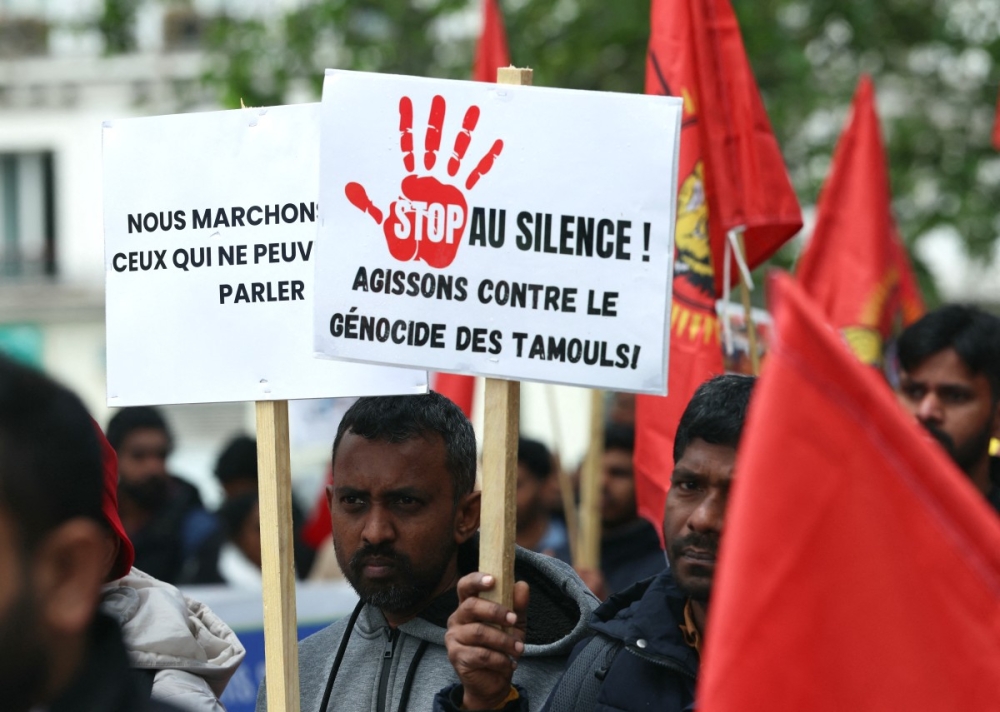
Sri Lanka's history is marked by atrocities from pogroms in 1956 and Black July to recent events at Chemmani, a site in Jaffna where over 530 sets of human remains have been discovered. Despite President Anura Kumara Dissanayake's promises of justice, the government has failed to deliver, making little effort to identify the victims or determine their cause of death.
Families who have been searching for their loved ones for decades are once again being asked to wait, as the authorities continue to reject the UN's Sri Lanka Accountability Project. The Tamil community has long been discriminated against, with the Citizenship Acts of 1948 and 1949 making many Hill Country Tamils stateless and the 1956 Sinhala Only Act making Tamil speakers marginalized in various sectors.
The road to Mullivaikkal was constructed over generations, with each successive act of violence further eroding the Tamil people's rights and memory. The destruction of the Jaffna Public Library in 1981, recognized as an act of cultural devastation, was merely the beginning. The conflict that followed produced its own catalogue of unanswered crimes, with delays and missing records hindering accountability.
Despite some investigations, the architecture that defeated justice under previous governments remains standing, with a lack of an independent prosecutor's office, the continued use of the Prevention of Terrorism Act, and the failure to adequately address command responsibility or recognize enforced disappearance as a crime against humanity.
Written by urgent.news from Malay Mail's reporting — not their text. Machine-written — may contain errors; check the original before relying on it.