South African new vehicle sales for August: These were the top 15 manufacturers
South Africa’s new vehicle market grew 11.4% in August, with strong passenger and commercial vehicle sales and NEVs continuing to gain ground.
In August 2026, South Africa's new vehicle market continued its steady growth, with overall sales rising by 11.4% compared to the previous year. According to Naamsa, a total of 57,898 vehicles were sold, with 41,216 of them being passenger cars and 13,727 being light commercial vehicles. Both of these segments experienced growth rates of 11.6% and 11.7%, respectively, while the medium and heavy commercial vehicle segments saw an increase of 16.3% and 10.1%, respectively.
Dealer channels were responsible for 81.8% of the new vehicle sales, while the rental industry accounted for 13.4%, and government and industry corporate sales each made up 2.4% of the market. New Energy Vehicles (NEVs) are gaining traction, accounting for 4.4% of new vehicle registrations year-to-date, which represents an 88% increase compared to the same period in 2025.
Hybrids dominate the NEV sales, with 8,078 units sold, followed by plug-in hybrids (PHEVs) at 5,851 units and battery electric vehicles (EVs) at 2,360 units.
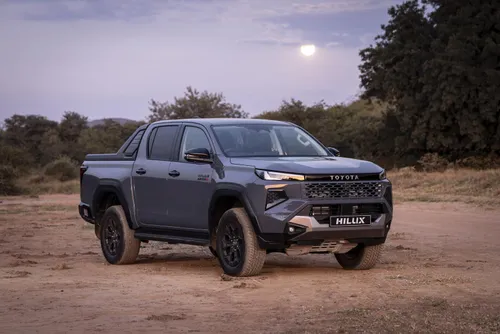
Toyota led the market this month with a total of 14,142 sales, securing a market share of 23.9%. The Toyota Hilux maintained its position as the top-selling vehicle in the country, with a sales volume of 3,881 units in August. Suzuki Auto narrowly edged out Volkswagen, while Hyundai and Ford rounded out the top five manufacturers.
Naamsa attributes the strong August sales performance to factors such as slower inflation, improving vehicle affordability, and the Reserve Bank's decision to keep the repo rate unchanged. They believe these conditions are significant for the new vehicle market, as vehicle purchases are highly sensitive to financing costs, household disposable income, and the total cost of ownership.
The combination of moderating inflation and stable interest rates has provided relief to consumers dealing with still-elevated living and borrowing costs.
Brandon Cohen, chairperson of the National Automobile Dealers' Association (NADA), notes that while price is still an important factor for many customers, buyers are increasingly paying attention to the total cost of vehicle ownership. This includes fuel consumption, finance, insurance, servicing, warranties, and the products available to protect vehicles over longer ownership periods.
Cohen explains that this indicates a maturing buying process and that dealers cannot compete solely on price; transparent advice and dependable aftersales support are becoming increasingly crucial in the market.
Written by urgent.news from IOL's reporting — not their text. Machine-written — may contain errors; check the original before relying on it.
This story
This is one outlet's version. Read the fullest account.
- Buraidah International Dates Carnival sales top SAR 600 million in August english.ajel.sa
- Vancouver-area home sales drop almost 5% in August amid lag: board globalnews.ca
- Auto sales see third consecutive month of gains in August: DesRosiers winnipegfreepress.com