Shame is a poor archivist: Korea's unfinished reckoning with the past
Every family edits itself. Mine had more to cut than most: a collaborator, a disappearance and a child sent abroad and quietly erased. When the actress Ha Young learned this summer that her great-grandfather's name appears on a 1916 roster of a pro-Japanese organization, I read the news from Denmark with a strange calm. My own great-great-grandfather Lee Ha-young is on Korea's official list of…
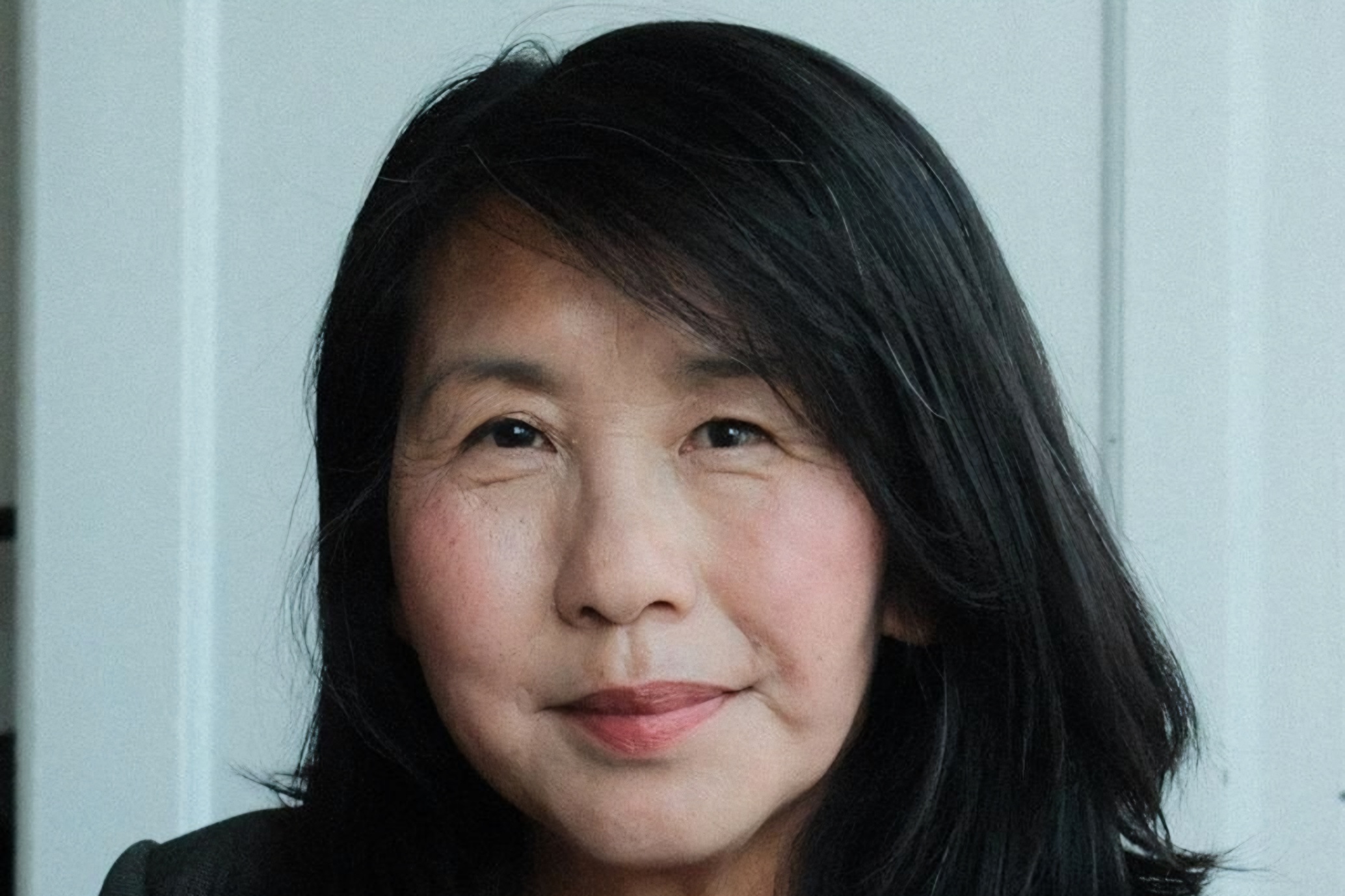
Shame serves as a poor archivist when it comes to Korea's unfinished reckoning with its past. One family's story embodies this truth, with a collaborator, a disappearance, and a child sent abroad and quietly erased. Ha Young, an actress, recently discovered that her great-grandfather's name appeared on a 1916 roster of a pro-Japanese organization.
Similarly, Ha Young's great-great-grandfather, Lee Ha-young, is listed on Korea's official list of pro-Japanese collaborators. This revelation sparked a broader discussion about inherited shame, family memory, and lives intertwined with survival, complicity, and loss. Despite standing outside the social pressures that continue to influence how many Korean families discuss collaboration, secrecy, and adoption, Ha Young now views shame not just as a personal burden but as a force that dictates what is preserved, altered, or never spoken about.
Like Lee In-jik and Ahn Sang-ho, Ha Young's ancestors navigated a turbulent era. Lee Ha-young rose from poverty in the 1880s, learning English from American missionary Horace Allen and eventually becoming the personal interpreter for King Gojong.
Written by urgent.news from The Korea Times's reporting — not their text. Machine-written — may contain errors; check the original before relying on it.