Scientists infect 6,000 young elms in bold bid to bring iconic trees back
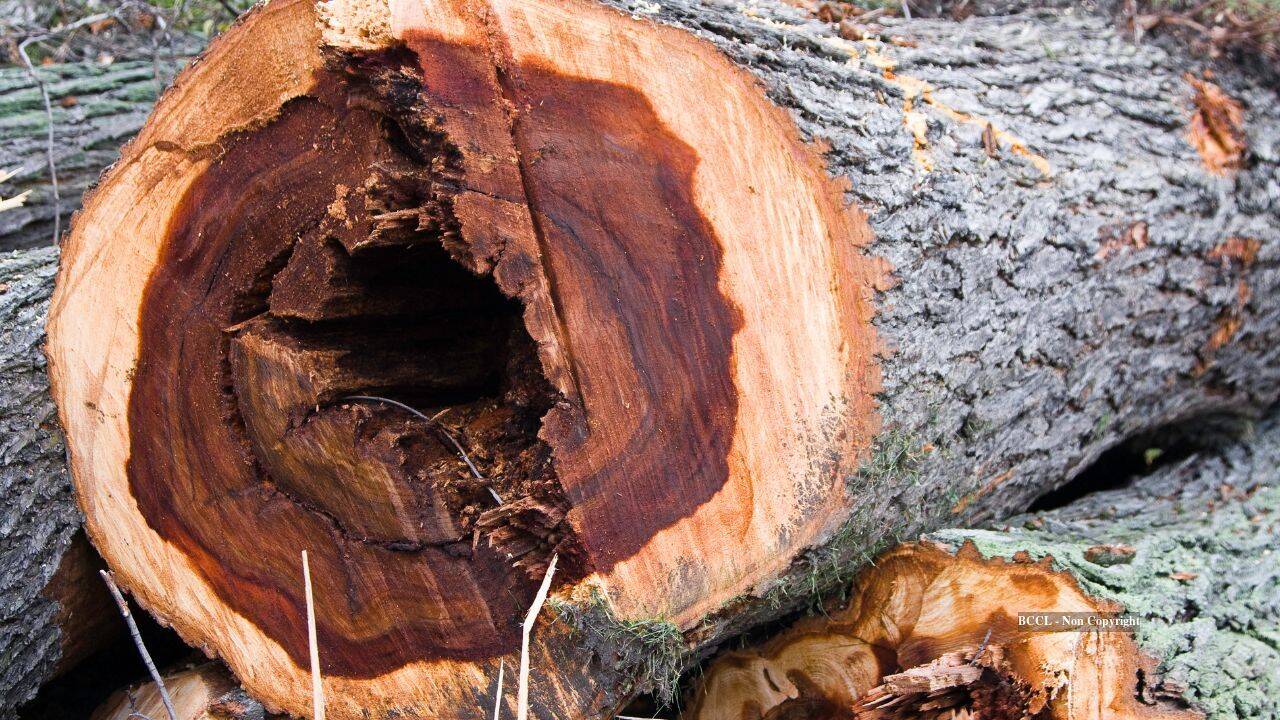
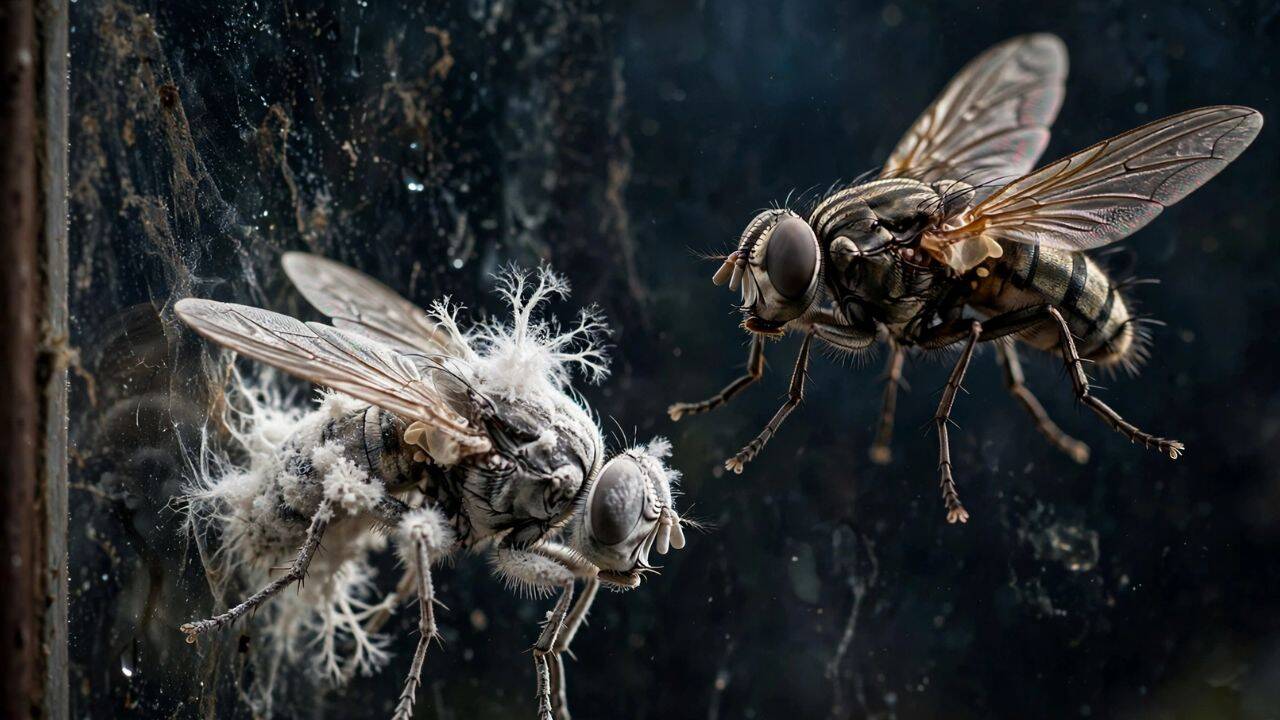
In a groundbreaking experiment, scientists have injected approximately 6,000 young American elms with Dutch elm disease in an effort to identify resilient individuals that could help restore the iconic trees to American landscapes. Dutch elm disease, caused by a fungus spread by bark beetles, decimated the American elm population throughout the 20th century, killing roughly 100 million trees across the country.
Once a ubiquitous street tree in North America, the species was prized for its fast growth, adaptability to urban conditions, and umbrella-like canopy that provided essential shade.
The loss of American elms has had far-reaching consequences for urban environments. Large shade trees are crucial for reducing energy consumption, mitigating heat islands, managing stormwater runoff, and fostering biodiversity. With the decline of elms, many cities faced a sudden loss of canopy cover, leading to hotter streets, increased flooding risks, and diminished habitat for wildlife.
Researchers have long struggled to combat Dutch elm disease through traditional methods like breeding programs and fungicide treatments. Now, they are employing a daring "survival of the fittest" strategy by intentionally infecting a large number of young elms to uncover the few that possess natural resistance to the fungus. By exposing a diverse population of young trees to the disease under controlled conditions, researchers aim to identify those rare individuals capable of surviving the pathogen.
The experimental approach involves cultivating thousands of elm seedlings, planting them in monitored research plots, and then introducing the Dutch elm disease fungus to the trees. Over time, researchers will monitor which trees exhibit symptoms of infection, decline, or remain healthy despite exposure. While the majority of the 6,000 elms are expected to succumb to the disease, it is anticipated that a small percentage (potentially 1% or less) will demonstrate robust resistance. These survivors will serve as the foundation for breeding and propagating disease-tolerant elms.
Once resistant individuals are identified, scientists will propagate them through cuttings or tissue culture to ensure genetic consistency. These clones will be grown in larger quantities and subjected to field trials across various climates and soil conditions to assess their growth, form, pest resistance, and overall performance in real-world settings. Only after rigorous testing will the most promising candidates be recommended for widespread planting in urban areas.
The urgency of this initiative is heightened by the ongoing impacts of climate change. As temperatures rise, summers become hotter, storms more intense, and droughts persist longer, urban trees are increasingly challenged. Large shade trees like elms are essential for cooling cities, reducing energy demands, and protecting public health.
Disease-resistant elms could play a vital role in helping municipalities meet tree-planting targets, improve heat resilience, and preserve the characteristic elm-lined streets that many communities cherish.
Written by urgent.news from Times of India's reporting — not their text. Machine-written — may contain errors; check the original before relying on it.