Rocky Mountain crews target non-native fish to restore threatened greenback trout
In a significant move, Rocky Mountain National Park is eradicating non-native fish species that have invaded the ecosystem for more than eighty years. These fish have severely disrupted the balance of aquatic habitats. Teams are utilizing rotenone to treat streams connected to the Grand Ditch, focusing on fostering the endangered greenback cutthroat trout's habitat.
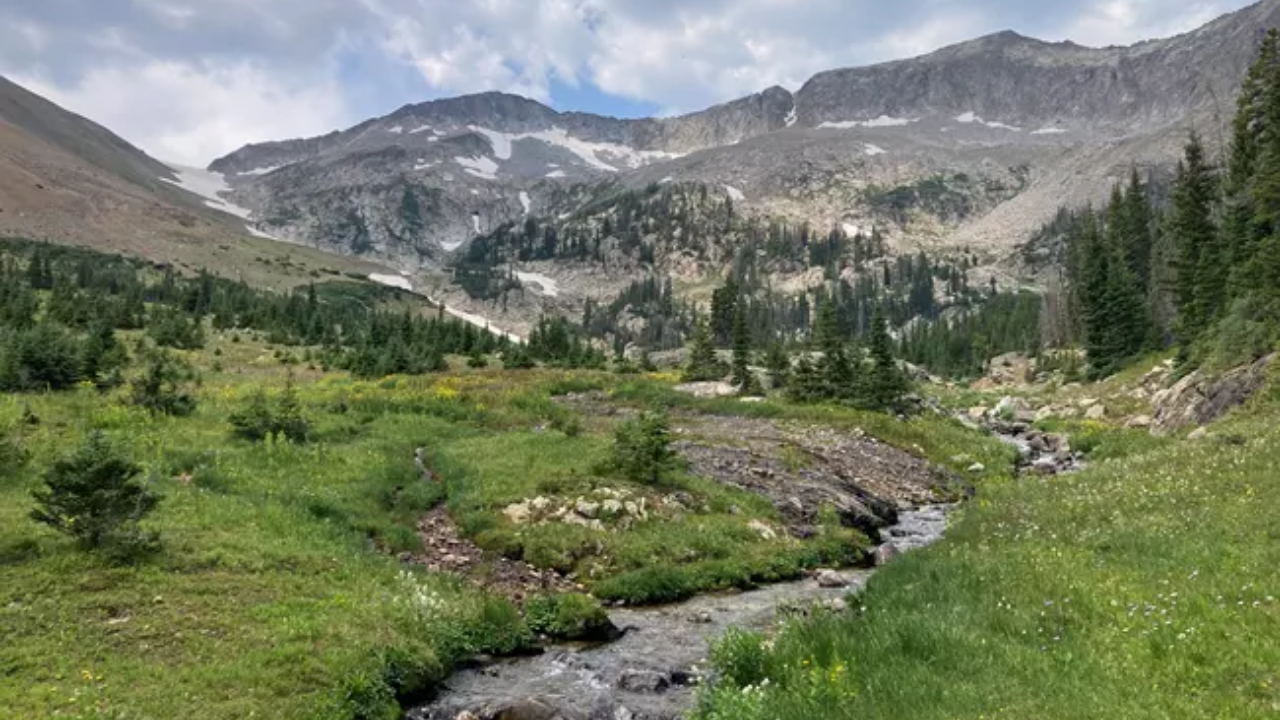
Between 1886 and 1968, over 20 million fish were deliberately introduced into waters that would later become part of Rocky Mountain National Park, with the majority being non-native trout. This stocking was initially aimed at supporting recreational fishing, but it later created challenges for native fish and aquatic ecosystems. In 2026, park managers will address some of these consequences as part of the Poudre Headwaters Project.
This project aims to remove non-native fish from selected waterways and restore habitat for the recovery of the federally threatened greenback cutthroat trout, a native species. Over 80 years of fish stocking began in 1886, before the park's establishment, with Colorado introducing fish to create and expand recreational fishing opportunities. Hatcheries in Estes Park and Grand Lake further contributed to the release of large numbers of fish, many of which were non-native species not naturally found in the region.
By 1968, more than 20 million non-native fish had been introduced into the park's waters. While the fish-management philosophy shifted towards protecting native ecosystems in 1936, fish stocking did not cease until 1968. However, ending stocking did not eliminate established non-native trout, such as brook trout, which continued to compete with native species for food and habitat. To restore native populations, park managers must remove these introduced fish.
The 2026 project is part of the Poudre Headwaters Project, which includes the Grand Ditch, a historic water-diversion system spanning about 14.3 miles. In August 2026, crews treated waterways connected to the Grand Ditch and those inside Rocky Mountain National Park using rotenone, a fish toxicant, to eliminate non-native fish. This treatment is carefully controlled to avoid affecting areas outside the project zone.
Potassium permanganate is used downstream to neutralise rotenone, while it also breaks down naturally over time.
This restoration effort marks a significant reversal of a practice that lasted more than eight decades, with fish introduced to attract anglers. Today, managers are deliberately removing non-native species to improve the chances of native trout returning to their native range. By removing non-native fish and restoring suitable habitat, the Poudre Headwaters Project aims to create a landscape where greenback cutthroat trout can once again thrive.
This demonstrates how conservation priorities can evolve over time, as what was once deemed beneficial for recreation can later require active restoration to protect the ecosystem.
Written by urgent.news from Times of India's reporting — not their text. Machine-written — may contain errors; check the original before relying on it.