Researchers feel the strain as US funding dries up
US funding cuts are disrupting HIV surveillance and genetic research in South Africa, while local institutions seek replacement funding to protect work.
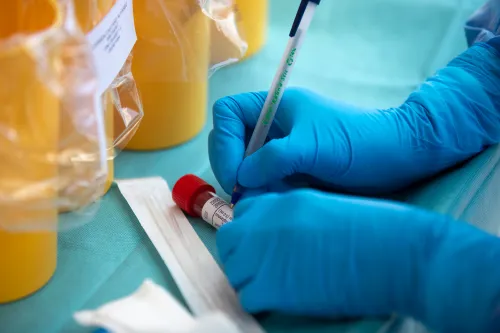
Funding cuts are causing researchers to search for alternative sources of money for HIV surveillance and genetic testing, according to a recent webinar hosted by the National Health Laboratory Service (NHLS). Leading specialists discussed the funding shortage impacting crucial public health surveillance and research programs. The Department of Health is developing a self-reliance plan to mitigate the effects of funding withdrawal since a freeze on foreign aid and the cancellation of USAID grants in January 2025.
The United States President’s Emergency Plan for Aids Relief (PEPFAR) has been a significant contributor to South Africa's HIV program, funding 27 out of 52 HIV/AIDS High Burden Districts in eight provinces. However, US funding cuts have affected current HIV research in the country. Dr Leigh Berrie, head of the Centre for HIV and STIs at the National Institute for Communicable Diseases, stated that alternative funding sources like the Global Fund, Gates Foundation, and SAMRC are helping.
However, gaps remain, and the team is working to ensure that surveillance and research activities continue. Dr Nokukhanya Msomi, head of the Department of Virology at NHLS/University of KwaZulu-Natal, echoed this sentiment, emphasizing the impact of US funding restrictions on research funding and the need for continued support to implement necessary programs and inform decision-making for public health initiatives.
Written by urgent.news from IOL's reporting — not their text. Machine-written — may contain errors; check the original before relying on it.