Reptiles Make a Surprising Amount of Noise. Here's What Those Sounds Might Mean, From Pops to Hoots to Bellows
Scientists are realizing that turtles, lizards and crocodilians communicate vocally more than they once thought
In northern India's Chambal River, gharials glide silently beneath the surface, but their presence can be signaled by explosive pops—sounds unique to male gharials. These pops occur when the reptiles fill their nasal cavity with water and then exhale rapidly; the water shoots through a bulbous outgrowth at the tip of the gharial's long snout. The gharials' distinct "pop patterns" may convey the male's identity, and scientists are exploring the significance of these vocalizations to the reptiles' social lives.
Beyond gharials, reptiles exhibit an array of noises—chirps, squeaks, bellows, and roars—defying expectations of their typically quiet nature. While mammals and birds are more commonly associated with vocal communication skills, reptiles contribute to the soundscape with varied vocalizations. These sounds play a role in communication related to mating, parent-offspring interactions, and beyond.
Conservation biologist Sean Doody notes that reptiles have long been underestimated for their social behavior. Behaviorist Henrik Brumm of Germany's Max Planck Institute for Biological Intelligence emphasizes the need to delve further into understanding what these reptiles are conveying through their vocalizations. Among the vocal reptiles, crocodiles stand out as the best-studied.
Scientists have known for some time that baby crocodilians produce sounds while still in the egg, helping synchronize hatching and signaling for help.
Recent research has also unveiled that many turtle species vocalize within the egg. South American river turtles, which lay hundreds of eggs, produce audible noises, while those laying fewer eggs remain relatively silent. This suggests that the vocalizations of large broods could synchronize hatching, aiding the hatchlings in working together to escape the nest.
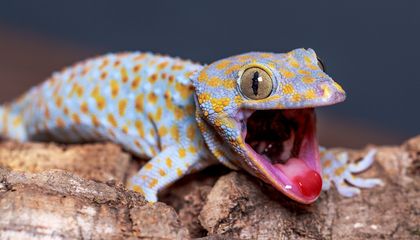
The complex vocalizations of other reptiles, such as chameleons and geckos, also shed light on their communication abilities. For instance, chameleons hoot and bark during interactions, while geckos modify their calls based on circumstances like predator presence, demonstrating a remarkable capacity for adapting their communication to indicate urgency.
Written by urgent.news from Smithsonian's reporting — not their text. Machine-written — may contain errors; check the original before relying on it.