RBI's bid to lift Indian rupee put to test by oil, US yields
MUMBAI: The Indian rupee is on course to open lower on Wednesday , pressured by a surge in oil prices and rising U.S. Treasury yields, threatening to blunt the momentum the currency has built with the central bank’s intervention. The Indian rupee is expected to open in the 95.02-95.06 range, according to traders, after settling at 94.95 to the dollar on Tuesday. The currency is on a three-day…
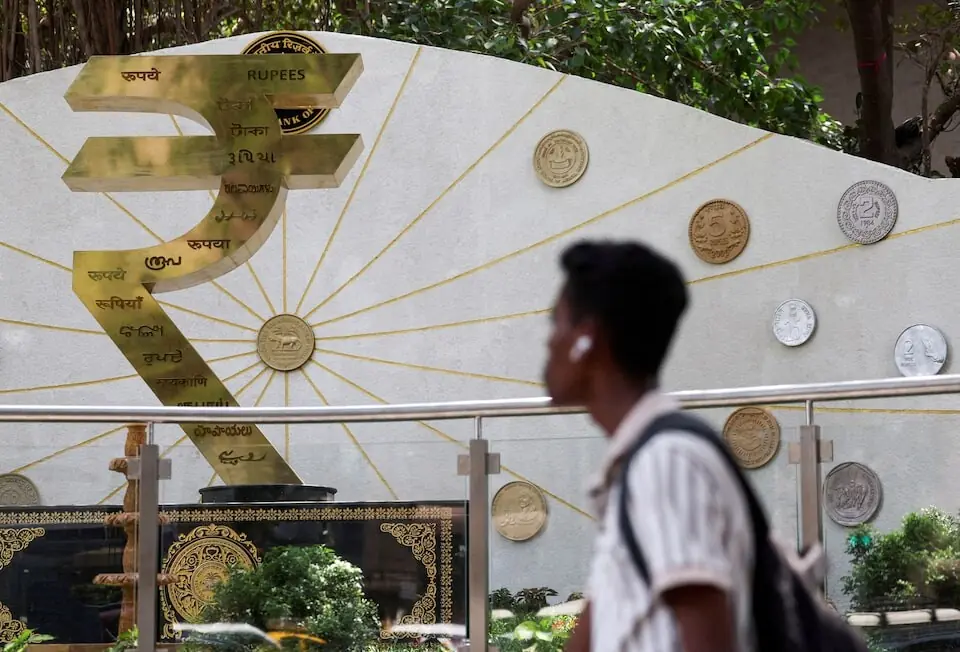
Mumbai: The Indian rupee faces a potential downward pressure on Wednesday, as oil prices surge and U.S. Treasury yields rise. This could dampen the momentum the currency has gained due to the Reserve Bank of India's (RBI) intervention. Currently, traders anticipate the rupee to open around 95.02-95.06 to the dollar, following a settlement of 94.95 on Tuesday.
The rupee has enjoyed a three-day winning streak, reaching a two-month high of 94.80 on Tuesday. The rally has been fueled largely by the RBI's aggressive intervention, with foreign banks' dollar selling adding support to the currency.
Despite challenges, the rupee has been among the top-performing Asian currencies. However, the critical question now is whether the RBI will intervene again to counter the pressure from higher oil prices. Currently, the central bank is the only significant dollar seller in the market, and its absence might make it hard for the rupee to maintain its current levels.
The RBI's intervention is supported by a surge in deposits from non-resident Indians, which has bolstered its capacity. Inflows under the FCNR(B) scheme exceeded $100 billion by the deadline on August 31 for banks to raise deposits eligible for concessional swaps with the RBI, as reported by the Financial Express. The spike in oil prices and U.S. Treasury yields are contributing to the pressure on the rupee.
Oil futures climbed to $95.50 a barrel due to fresh exchanges of strikes between the U.S. and Iran, heightening concerns over supply disruptions and casting doubt on hopes of a quick resolution to Middle East tensions. Consequently, U.S. Treasury yields reached their highest levels since late 2023.
Written by urgent.news from Business Recorder's reporting — not their text. Machine-written — may contain errors; check the original before relying on it.