Nikkei, Kospi, Topix: Ölpreisschock nach US-Angriffen drückt asiatische Märkte
Anleger in Asien agieren vorsichtig. Dabei dominieren zwei Themen den Markt: die Entwicklungen im Iran-Krieg sowie der Anstieg globaler Anlagerenditen.
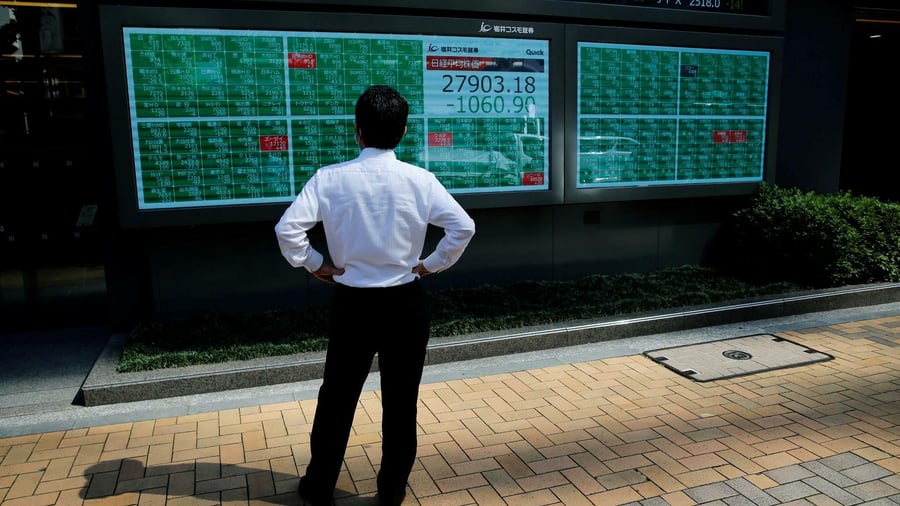
As Asian stock markets reacted sharply to falling US stock prices, a sense of market nervousness grew over rising global interest rates and the resurgence of fighting in the Gulf region. The sell-off in both Japan and South Korea signified investor anxiety. Concerns about a potential escalation of the conflict and a new wave of inflation led investors to sell stocks.
Analysts at Westpac noted that "the threat of further disruptions at the Hormuz Strait has triggered new inflation fears and caused a sell-off in equities at most major markets as well as a decline in global bond markets." The Nikkei-225 Index, which tracks major Japanese companies, dropped 2.6% to 64,473 points, while the broader Topix declined 2.2% to 4,090 points, driven by a widespread decline.
Roughly 90% of companies saw their value diminish. South Korea's Kospi fell 3% to 6,628 points. Singapore's Straits Times Index traded at its opening level in the morning session, while Hong Kong's Hang Seng Index and Shanghai Composite Index slipped by nearly 1%.
A key factor is the rise in bond yields. Japan's 10-year government bonds breached the three percent mark for the first time in 30 years just the day before. They surged briefly by 0.025 percentage points to 3.015 percent on Wednesday – more than double the level seen a year ago. This is a level most investors have not been comfortable with since the era of low interest rates ended.
Behind this fear is the worry that Japan's heavily indebted country could be undermined by a combination of expansionary fiscal policy and cheap money, driving inflation and a fall in the yen. Record household spending by ministries was the trigger. Not all experts share this view: Takeshi Yamaguchi of Morgan Stanley MUFG Securities said, "We continue to view excessive concerns about the fiscal situation as unfounded."
He argued that higher household spending does not necessarily mean the budget deficit will grow proportionately.
Nevertheless, the double trend of falling yen and rising bond yields is a global policy issue. Ahead of the G-20 finance minister meeting in the US, US Treasury Secretary Scott Bessent met with his Japanese counterpart Satsuki Katayama and Bank of Japan Governor Kazuo Ueda. He has already demonstrated a joint intervention to support the yen, expressing concern over its weakness.
Now, he told the Nikkei newspaper, "I strongly support decisive market and monetary policy measures to counter the significant undervaluation of the yen." Markets are therefore betting that the Bank of Japan could raise the policy rate from 1% to 1.25% or even 1.5% by mid-September. Many observers expect further increases to stop the yen's decline. With agency material, markets are nervous about bond market yields reaching multi-year highs.
Written by urgent.news from Handelsblatt's reporting — not their text. Machine-written — may contain errors; check the original before relying on it.