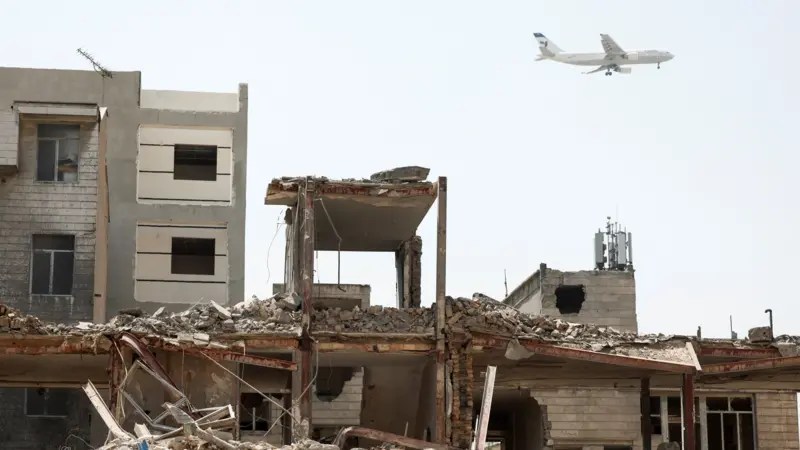
Nepal intensifies relief and recovery efforts after deadly floods, UN says
Nepal is intensifying relief and recovery operations following the catastrophic flash floods along the Nepal-Tibet border a week ago, the UN says, even as rescuers scramble to reach anyone who may be alive. For thousands, the priority is delivering aid, recovering loved ones, tracing missing relatives and reunifying separated children, the UN secretary-general’s spokesman said. […] The post Nepal…
A week after a catastrophic flash flood along the Nepal-Tibet border, Nepal is intensifying relief and recovery operations, the UN reports. At least 1,114 people have died in Nepal, with nearly 4,000 still missing, according to Nepal’s disaster agency. On the Tibetan side, the death toll is 16, with over 500 people unaccounted for. Hundreds of foreign nationals, including from India, the UK, Australia, and the US, are also missing.
Efforts are ongoing to rescue workers potentially trapped in Nepalese hydropower tunnels, with thousands already rescued but more missing, fears of a rising death toll persist. Chinese rescue teams are searching for over 500 people missing on the Tibetan side, but have not yet found survivors at Gyirong Port. Beijing tightly controls Tibet, limiting information access.
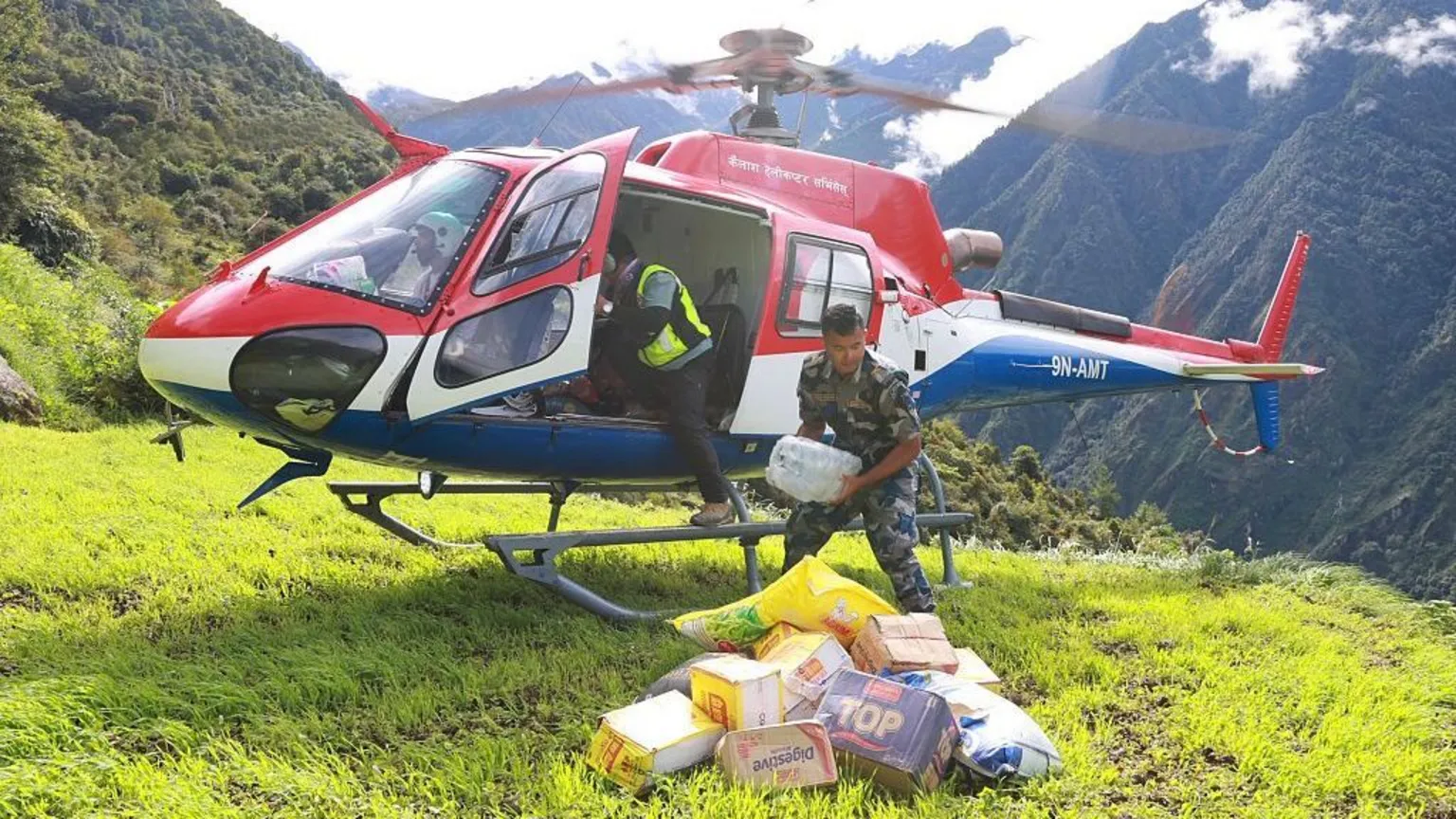
Rescuers, using heavy machinery and working around the clock, have cleared debris from the Gyirong border crossing, accelerating search efforts. Experts from China and India are building temporary bridges, and drones are scanning hard-to-reach areas. The UN’s main challenge is access, with over 40 bridges destroyed, leaving remote communities relying on army helicopter flights.
Nearly 3,500 people have been left homeless in Nepal, with 27 sites serving as shelters, disrupting education. Contaminated water and damaged health facilities heighten disease risks in the monsoon season. A new report suggests instability around the glacier in the days before the collapse, indicating the Himalayan region's growing risks due to climate change.
Nepal’s Prime Minister emphasized the need for stronger early-warning systems to prevent future disasters, attributing the event to climate change and asserting the global community's shared responsibility in mitigating its impacts.
Written by urgent.news from KBC's reporting — not their text. Machine-written — may contain errors; check the original before relying on it.
Also reported by 4 other outlets
- (LEAD) Intensive search under way for 9 S. Koreans missing in Nepal floods en.yna.co.kr
- Nepal intensifies relief and recovery efforts after deadly floods, UN says thechronicle.com.gh
- Two South Africans arrive in Durban after escaping Nepal floods sabcnews.com
- Nepal floods: Maharashtra mountaineers to help trace missing Kailash trekkers indianexpress.com