'Jaws' territory is now a great white nursery with 18 young sharks found
Researchers have confirmed a summer nursery for young great white sharks off New York. Juvenile whites repeatedly use the region's coastal waters for food and protection. Tagged sharks have traveled far and returned to the Long Island area annually. Warming waters are also bringing more species typically associated with warmer seas. Understanding these sharks replaces fear with a better…
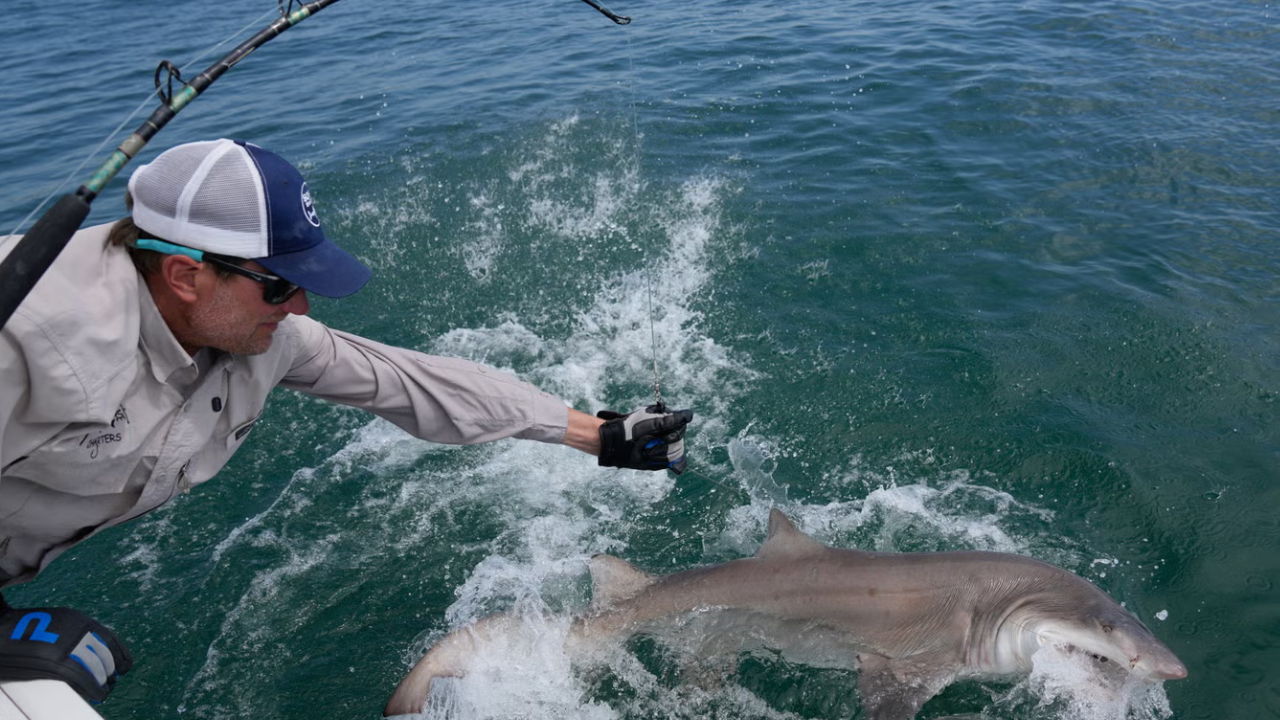
The once-feared shark-infested waters off New York's Hamptons are transforming into a nursery for young great white sharks, according to recent research. Scientists have discovered a consistent pattern of juvenile great whites returning to the New York Bight, a coastal region near Long Island, during their early years. The New York Bight, previously infamous as the setting for Peter Benchley's "Jaws," is now attracting attention from researchers studying the sharks' migration patterns and the factors influencing their behavior.
Researchers attribute the attraction of these young great whites to the nutrient-rich coastal waters, which provide ample food sources such as schools of fish. Unlike other marine mammals, great white sharks do not receive parental care and must fend for themselves immediately after birth. The waters around Long Island offer a safe environment for these young sharks to develop their hunting skills before venturing into larger, open ocean areas.
In a recent tagging expedition off Long Island, scientists attached tracking devices to several shark species, including young great whites. The data collected from these tags has revealed remarkable journeys, with some tagged sharks being detected as far south as North Carolina, Georgia, Florida, and even the Gulf of Mexico before returning to the Long Island area the following year.
This seasonal return is one of the key factors researchers are focusing on, as it sheds light on the sharks' complex migratory patterns and the ecological significance of the nursery region.
In addition to great whites, the waters off Long Island are also home to other shark species typically found in warmer waters, such as spinner sharks, blacktip sharks, and bull sharks. Scientists believe this shift in species composition is linked to rising coastal water temperatures, a trend likely accelerated by climate change. As the Hamptons and surrounding areas experience warming waters, the region is becoming a more hospitable habitat for a diverse array of shark species.
While the presence of these juvenile great whites in Long Island waters may evoke memories of the infamous "Jaws" movie, it also underscores the importance of understanding and conserving these crucial marine predators. Conservation efforts have helped great white and other shark populations recover from overfishing and other threats, although their numbers remain below historical levels.
By gaining a better understanding of the young sharks' behavior, habitat preferences, and migratory patterns, researchers hope to dispel some of the fear surrounding these magnificent creatures and highlight their vital role in maintaining the health and balance of the ocean ecosystem.
Written by urgent.news from Times of India's reporting — not their text. Machine-written — may contain errors; check the original before relying on it.