IMANI engages Education Ministry as 10,730 public basic schools face classroom deficit
On Wednesday, August 19, 2026, the IMANI Center for Policy & Education held a policy engagement with the Ministry of Education. T
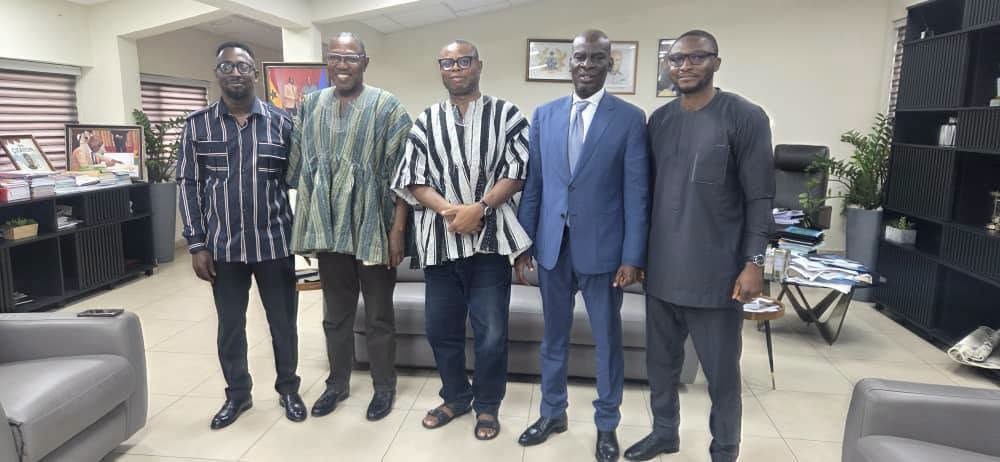
On August 19, 2026, the IMANI Center for Policy & Education convened a policy engagement with Ghana's Ministry of Education. The meeting, presided over by IMANI's Franklin Cudjoe, was attended by Kay Codjoe, John Sitsofe Mensah, Education Minister Haruna Iddrisu, and Deputy Minister Dr. Clement Abas Apaak.
Minister Iddrisu expressed concern over the education system's focus on higher levels while neglecting the foundational stage. He highlighted a critical issue: 10,730 public basic schools across 13 regions lack classroom blocks, impacting 3,050,808 pupils. These schools endure learning under trees, sheds, churches, and other temporary structures. Section 36 of the Pre Tertiary Education Act mandates the Ghana Education Service to construct, equip, and maintain these foundational schools.
While acknowledging the importance of feeding programs and Free Senior High School, the Minister argued for a balanced approach. He contended that investing in proper classrooms, sanitation, and learning environments is equally vital. He questioned whether the country had fulfilled its constitutional duty to provide free, compulsory, and quality basic education before elevating free senior high school as the primary focus.
The discussion also centered on teacher deployment and financing. The Minister emphasized that the issue extends beyond the number of teachers; it's about deploying them according to need. National ratios may suggest sufficient staffing, yet individual schools, districts, and regions continue to struggle with teacher shortages in critical subjects.
The World Bank reported that 19,987 trained teachers were recruited and deployed in 2022 and 2023, with 11,110 placed in GALOP basic schools. However, effective deployment remains crucial for reaching underserved classrooms.
Sanitation was another pressing concern. The Minister stressed that the state of toilets, water systems, and hygiene facilities significantly affects attendance, health, dignity, and learning. A comprehensive national school infrastructure program should encompass not just classroom blocks but also water, sanitation, electricity, furniture, and accessibility.
Discipline was addressed as a shared responsibility involving students, teachers, and various stakeholders. The Minister rejected the notion that responsibility should be placed solely on any one group. He called for greater coordination in scholarship administration, advocating for a harmonized system under the Ghana Scholarships Authority. He also urged increased funding for special and inclusive education, highlighting the need for specialist teachers, accessible infrastructure, and assistive technologies.
Written by urgent.news from Adom Online's reporting — not their text. Machine-written — may contain errors; check the original before relying on it.
This story
This is one outlet's version. Read the fullest account.