Hyundai just topped the world’s largest EV battery study — analysis of 500,000 tests sees it beat Tesla to the long-term battery health title
500,000 EV battery tests reveal the electric cars that hold onto their range best.
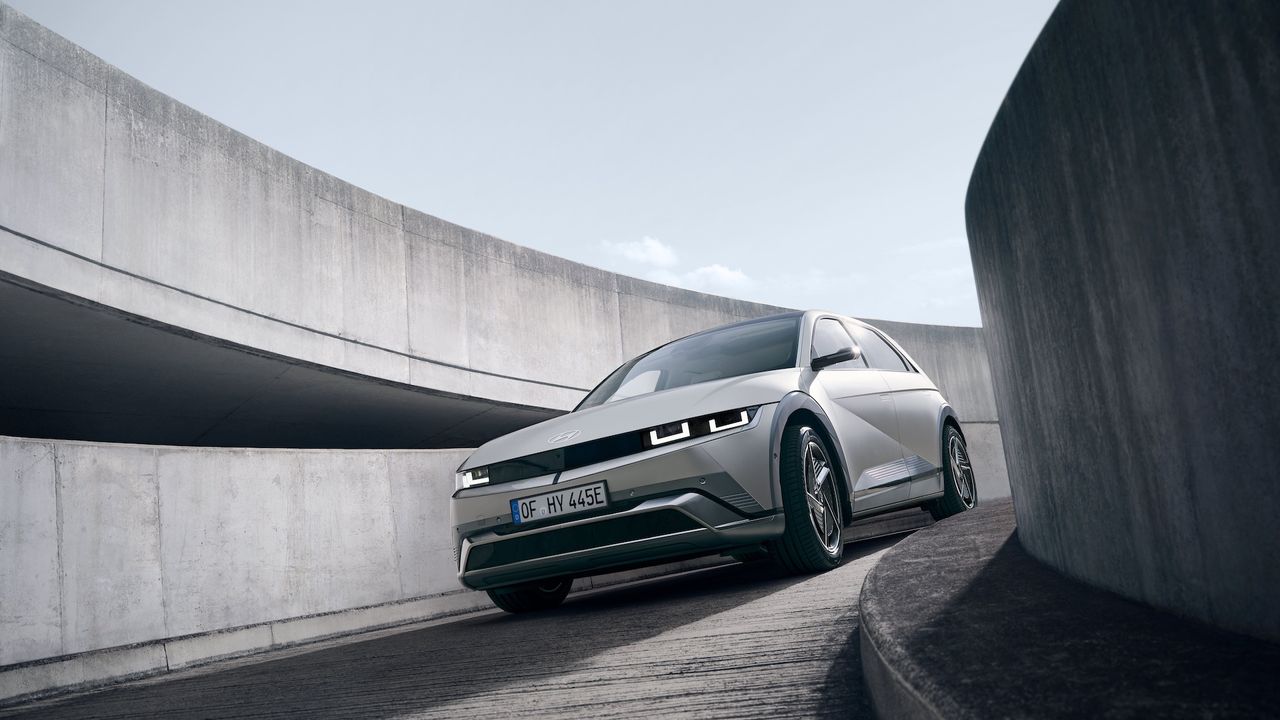
A new study on the battery health of electric vehicles (EVs) has revealed that Hyundai's Ioniq 5 is the strongest performer in terms of long-term battery health. The research, conducted by Austrian battery diagnostics company Aviloo, analyzed over 500,000 independent tests of used EV batteries from 2022 to 2026. The study, which is the world's largest independent analysis of used EV battery health, covers 20 popular models.
The Hyundai Ioniq 5 emerged as the top performer, maintaining 97.2% of its original battery health at 50,000 miles (31,000 km) and 95% at 100,000 km (62,000 miles). This was far ahead of the Tesla Model Y, which retained only 90.3% battery health at the same distance. The Tesla Model 3 followed with 88.94% battery health at 150,000 km (93,000 miles).
Smaller, less powerful EVs, such as the Nissan Leaf ZE1 generation and Renault Zoe, performed less well compared to their competitors. The Nissan Leaf retained 86.67% battery health at 150,000 km, while the Renault Zoe retained 87.33%. The first-generation Mini Cooper SE managed 87.11%.
What is particularly interesting about the data is the significant variation in battery health between individual cars of the same model. For example, at 150,000 km, 99% of Tesla Model Ys had a battery health ranging from 82.9% to 94.9%, while for the BMW i4, the range was between 87.5% and 96.9%. This means that two seemingly identical used EVs with the same mileage might have dramatically different battery health and, consequently, varying real-world ranges and performance.
Aviloo's CEO, Marcus Berger, emphasized that while EV batteries are aging better than previously thought, the report highlights that averages can mask significant differences between individual vehicles. Factors such as climate, charging behavior, battery chemistry, and maintaining a high charge for extended periods can all influence battery degradation.
The company's independent Flash tests offer a more accurate picture of a vehicle's actual battery health than the State of Health figure displayed by the vehicle's computer systems.
Overall, the study suggests that concerns about EV batteries contributing to landfill sites are increasingly difficult to support with real-world data. Most of the EVs in the study retained around 90% or more of their original battery capacity after 150,000 km, indicating that EVs are likely to remain a sustainable transportation option for the foreseeable future.
Written by urgent.news from TechRadar's reporting — not their text. Machine-written — may contain errors; check the original before relying on it.