How are search operations progressing in Nepal, a week after deadly flash flood?
An unprecedented deluge of ice, rock, mud and debris swept down the mountains near the Nepal-Tibet border on Aug 26, leaving many dead or missing and widespread devastation in its wake.
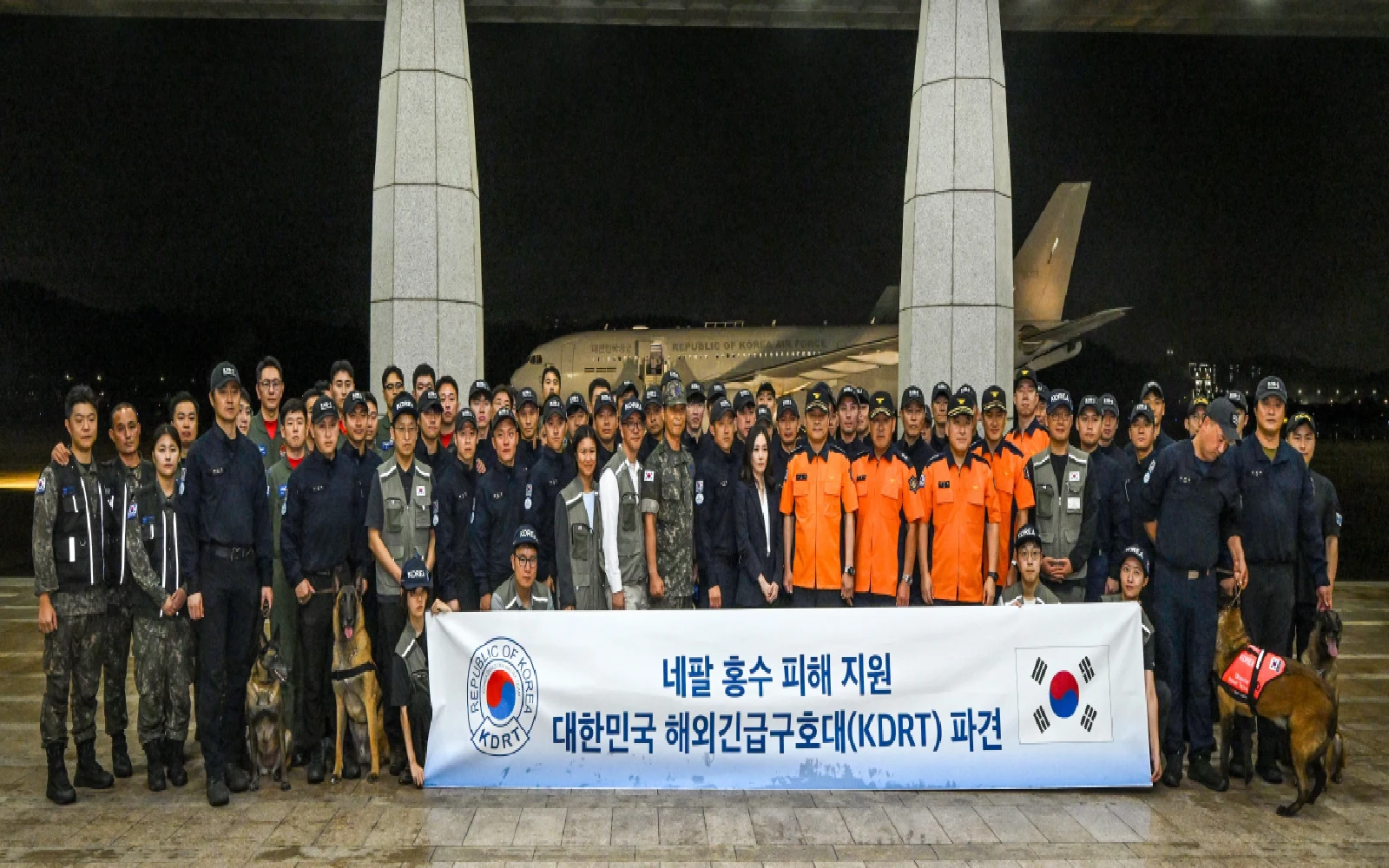
A week has passed since a catastrophic flash flood struck Nepal and Tibet, claiming over 1,000 lives and leaving thousands more missing. South Korea has sent a 44-strong emergency relief team to assist in the search and rescue operations. Nepal's authorities have been battling for days to locate survivors amidst the aftermath of the disaster, which saw a torrent of ice, rock, mud, and debris cascade down the mountains on August 26.
The United Nations Development Programme reported that the flood generated 2.2 million tons of debris, including sections of buildings, rocks, and sediment.
The disaster has dealt a significant blow to Nepal's infrastructure, damaging eight existing and four under-construction power projects, which have collectively accounted for nearly 10% of the nation's electricity generation. Approximately 50 suspension bridges have been affected, with 20 considered repairable and the rest requiring complete reconstruction. Additionally, 31 motorable bridges were washed away, further hampering access to affected areas.
Rescue efforts have been intensive, with over 9,200 army personnel deployed to aid in the search and recovery of survivors. Heavy machinery, helicopters, and excavators have been utilized to reach the estimated 11,000 people in need of assistance. However, the primary focus now lies on the tunnels of the devastated hydroelectric plants, where 639 people are believed to be trapped, including several individuals in the tunnels. So far, about 279 people have been rescued from these project sites.
International support has also poured in, with countries like India, China, and South Korea sending specialized rescue teams, forensic experts, and DNA identification tools to bolster Nepal's efforts. China has rebuilt the Gyirong border crossing into Nepal, which was washed away by the flood, enabling the delivery of equipment and supplies to the affected areas via road.
Written by urgent.news from Free Malaysia Today's reporting — not their text. Machine-written — may contain errors; check the original before relying on it.
This story
This is one outlet's version. Read the fullest account.