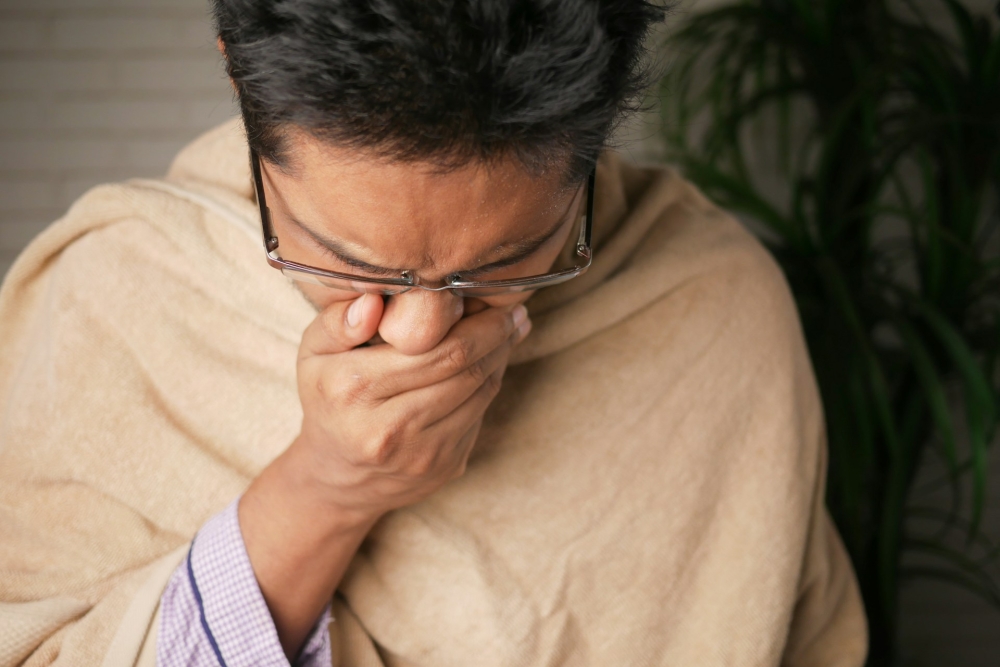
Haze hits hazardous levels: What you need to know
KUALA LUMPUR: Five locations in Sarawak recorded hazardous Air Pollution Index (API) readings above 300 as of 10.25pm, with Serian police headquarters recording the highest reading at 351.
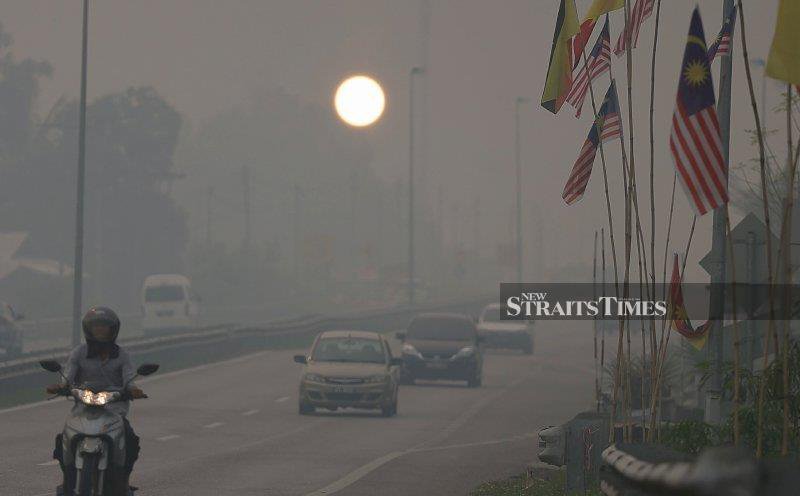
On October 25, five locations in Sarawak reported hazardous Air Pollution Index (API) readings exceeding 300. These included Serian with a reading of 351, Kuching at 332, Sibu at 317, Sarikei at 315, and Samarahan at 311. Haze conditions are intensifying, and it's crucial to understand the health risks and protective measures. The haze primarily consists of fine particulate matter, denoted as PM2.5, which measures 2.5 micrometres or less in diameter, comparable to 1/28th of a human hair.
These particles are small enough to deeply infiltrate the lungs and even reach the alveolar region, where gas exchange occurs. Smaller ultrafine particles, less than 0.1 micrometre, can enter the bloodstream, leading to inflammation in blood vessels, potentially causing blood clots, strokes, and heart attacks. Immediate health effects of severe haze exposure include triggering asthma attacks, increasing susceptibility to respiratory infections like coughs, colds, and influenza, and potentially leading to more serious conditions such as pneumonia, chronic obstructive pulmonary disease, and cancer.
Individuals most at risk include children with immature respiratory systems, the elderly with compromised lungs, asthmatics, diabetics, hypertensives, and those with chronic lung and heart diseases. Even healthy people can be affected due to the ability of PM2.5 to penetrate deep into the lungs. Outdoor activities should be avoided when the API reaches 100, considered unhealthy.
For those who must be outdoors for extended periods, wearing an N95 mask is advisable. Car travelers should use their vehicle's recirculation setting on air conditioning to minimize the intake of outside air. Seek medical attention if haze exposure causes symptoms such as wheezing, difficulty breathing, dizziness, nausea, chest tightness, or chest pain.
Written by urgent.news from New Straits Times's reporting — not their text. Machine-written — may contain errors; check the original before relying on it.