Extreme weather demands more than emergency aid
There is little doubt that the devastating floods and landslides that have torn through Nepal and Tibet, leaving more than 1,000 people dead with many thousands more missing, are not an aberration. The rising frequency of such extreme weather events should make this tragedy a wake-up call for all countries to urgently invest in future proofing against climate risks – beginning with building…
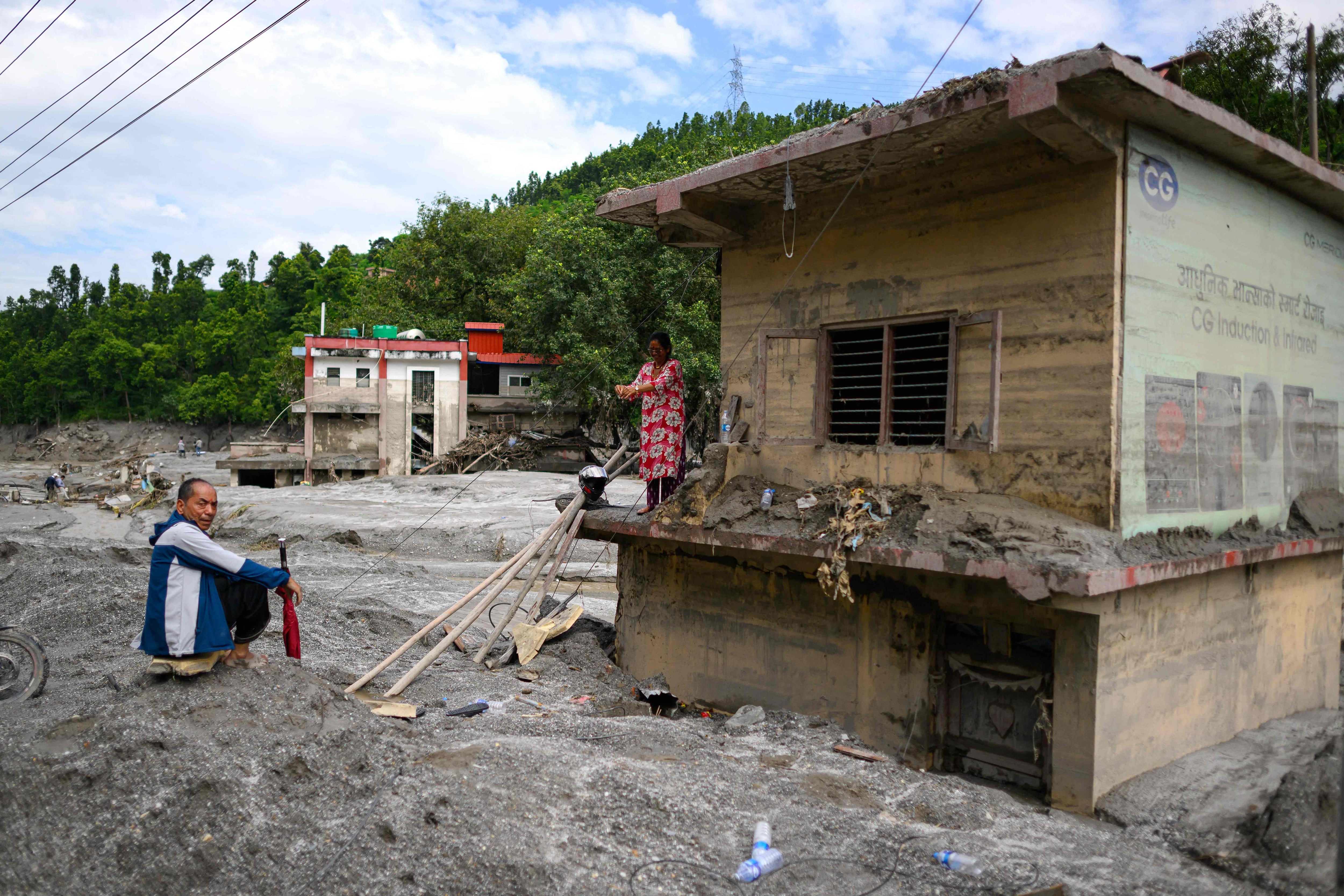
The recent floods and landslides in Nepal and Tibet have claimed over 1,000 lives and left many more missing, leaving no doubt that such extreme weather events are becoming a regular occurrence. Rather than merely offering emergency aid, countries must now focus on preparing for future climate risks, starting with establishing robust early warning systems.
The international community has swiftly responded to Nepal's needs, sending rescue teams, forensic experts, drones, and aid worth over $42 million. The UAE contributed $10 million worth of essential supplies. However, while helping one another in times of crisis, nations must also assess their own readiness for disasters that may strike closer to home.
While it is impossible to prevent every natural calamity, their impact can be mitigated through adequate preparation. Despite the growing consensus on the long-term consequences of climate change, many countries have not adequately prepared their societies. The UN Environment Programme estimates that developing nations require more than $300 billion annually by 2035 for effective adaptation.
However, this goal remains elusive. One crucial solution is the implementation of early warning systems, which have been proven to reduce disaster-related deaths by a significant margin. Effective and timely alerts can lead to a 30% decrease in total damage. Furthermore, investing in resilient infrastructure not only safeguards against extreme weather events but also proves economically advantageous, with each dollar spent on pre-disaster resilience yielding up to $13 in economic savings.
Thus, the need for proactive measures becomes evident: preparing for the inevitable challenges posed by climate change is not just a matter of aid, but a necessity.
Written by urgent.news from The National Business's reporting — not their text. Machine-written — may contain errors; check the original before relying on it.
This story
This is one outlet's version. Read the fullest account.
- Extreme weather demands more than emergency aid thenationalnews.com