Extreme weather demands more than emergency aid
There is little doubt that the devastating floods and landslides that have torn through Nepal and Tibet, leaving more than 1,000 people dead with many thousands more missing, are not an aberration. The rising frequency of such extreme weather events should make this tragedy a wake-up call for all countries to urgently invest in future proofing against climate risks – beginning with building…
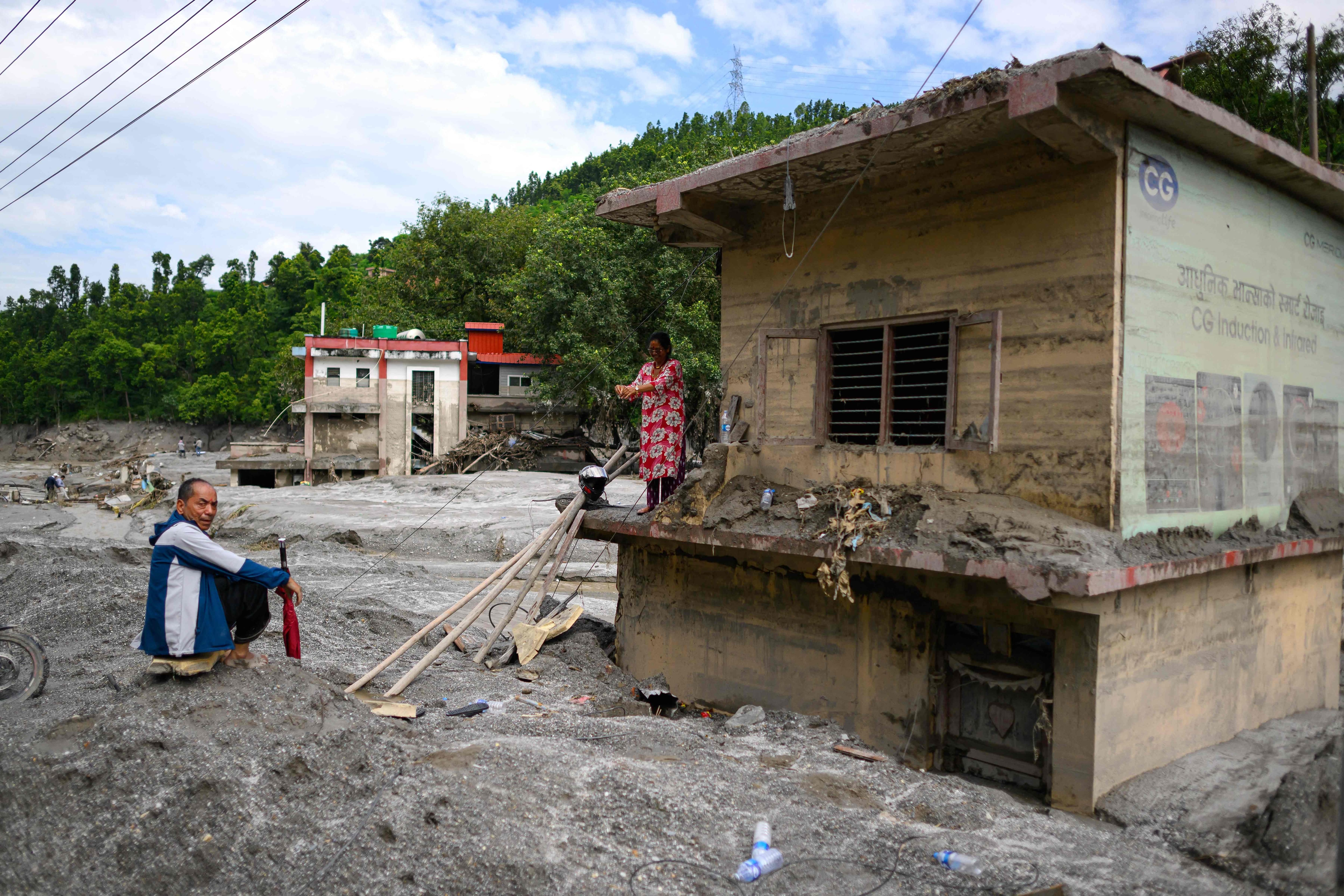
Devastating floods and landslides in Nepal and Tibet have claimed over 1,000 lives and left many more missing, signaling an alarming trend of extreme weather events. The international community, including the UAE, has swiftly dispatched aid, totalling over $42 million, but the true test lies in nations' preparedness for future crises.
While funds are a significant hurdle, particularly for developing countries, early warning systems present a cost-effective solution. Effective early warning systems hinge on four key pillars: risk knowledge, real-time monitoring, rapid communication, and community preparedness. Studies indicate that timely alerts can decrease disaster-related deaths by six times and reduce overall damage by 30 percent with just 24 hours' notice.
Investing in resilient infrastructure, such as roads and power networks, can yield substantial returns, saving up to $13 for every $1 spent. While mitigating climate change is a long-term goal, preparing for its impacts is essential to safeguard societies against the escalating risks of extreme weather events.
Written by urgent.news from The National UAE's reporting — not their text. Machine-written — may contain errors; check the original before relying on it.
Also reported by 1 other outlet
- Extreme weather demands more than emergency aid thenationalnews.com