El dilema de la IA: qué empleos deben ser sólo para las personas
Bill Gates propone el concepto 'Human Reserved' que defiende la protección de actividades que deben seguir en manos humanas por su valor social, más allá de la eficiencia económica o tecnológica. Leer
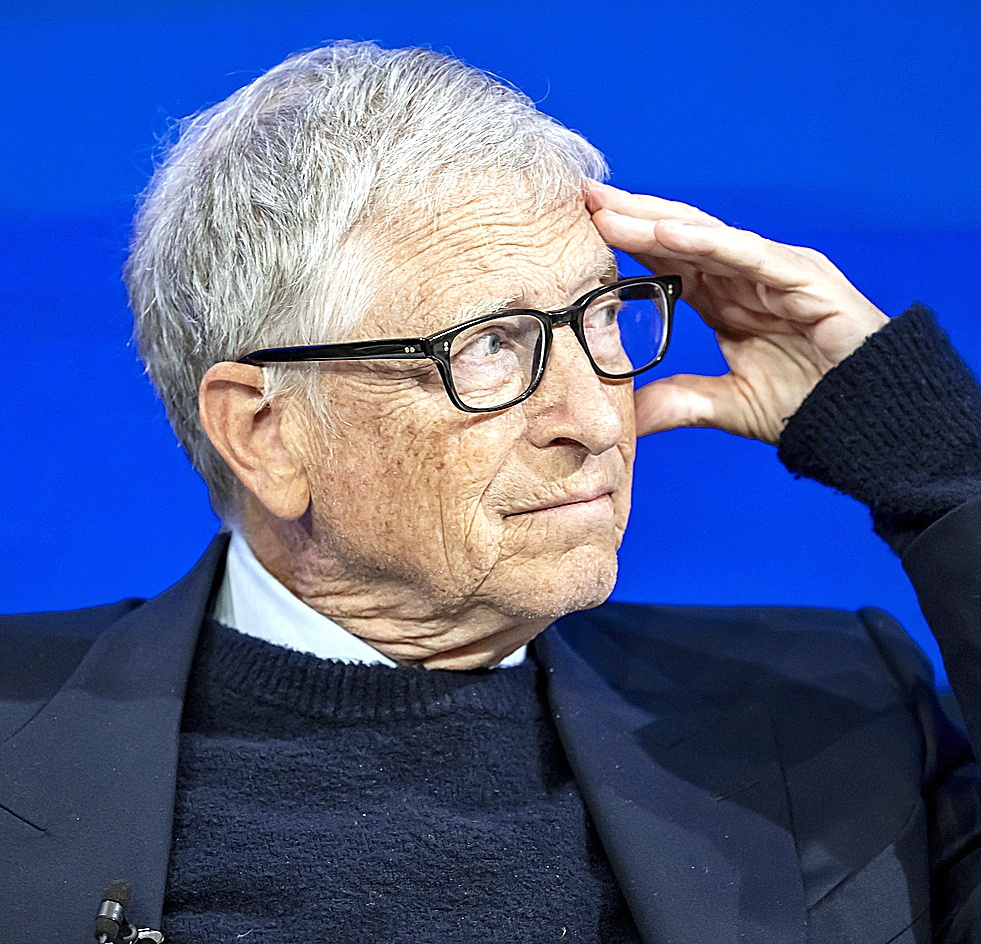
Artificial Intelligence (AI) is rapidly transforming the job market, prompting a debate about which roles may be reserved exclusively for humans. A recent study by Anthropic, a leading AI research organization, analyzed 56 professional training programs in the United States and European labor market data. The research found that while additional education can increase employment prospects by 2-3%, and raise annual earnings by around $1,000, the cost of such programs is close to $13,000 per participant.
The findings suggest that even with targeted training, AI-driven job displacement could remain a significant challenge. Bill Gates, co-founder of Microsoft, has raised two critical questions: who should bear the cost of transitioning when companies replace human labor with machines, and whether automation should be applied solely for the sake of cost reduction.
Gates proposes a reform in tax systems to address the revenue loss from businesses replacing workers with AI, suggesting higher taxes on robots and AI token consumption.
However, the idea of taxing AI is met with skepticism, as it could discourage investment and productivity growth. Instead, Gates proposes using the generated revenue to fund the transition for displaced workers. He also introduces the concept of "Human Reserved," suggesting that certain human-centric jobs, such as medical diagnoses, childcare, and judiciary roles, may retain their human component despite the possibility of AI performing them equally well or better. This idea aims to preserve jobs where human values, empathy, and judgment are deemed essential.
The challenges lie in determining which tasks should be exclusively performed by humans, as the value of human work extends beyond mere productivity or cost. Society might choose to preserve certain tasks, like medical diagnosis or child care, as exclusively human roles. Existing professions already have safeguards, such as medical licenses and legal responsibilities, to ensure human oversight in critical decision-making processes.
The AI Act in the European Union demands human supervision in high-risk AI systems, and regulated professions maintain personal accountability for specific decisions.
Ultimately, the transition to an AI-driven economy may face setbacks, with new jobs emerging in different locations or requiring skill sets that displaced workers cannot acquire quickly. This transition could exacerbate income inequality if the benefits of productivity growth disproportionately favor those already in possession of AI systems.
Therefore, it is crucial to decide not only how to prepare individuals for AI competition but also how to distribute the wealth generated by automation and which jobs should remain in human hands, even when economically feasible automation is possible.
Written by urgent.news from Expansion ES's reporting — not their text. Machine-written — may contain errors; check the original before relying on it.