Dyson Launches An AI Toothbrush With Built-In Camera & Water Jet: Netizens React
Dyson has moved from vacuum cleaners and hairdryers into an unlikely new category: your mouth. The company launched a $499 toothbrush called the CameraJet, which uses a built-in camera and artificial intelligence to identify gaps between teeth and fire a precision jet of mouthrinse at them while the user brushes. Six years in the making Dyson says the device is the product of six years of…
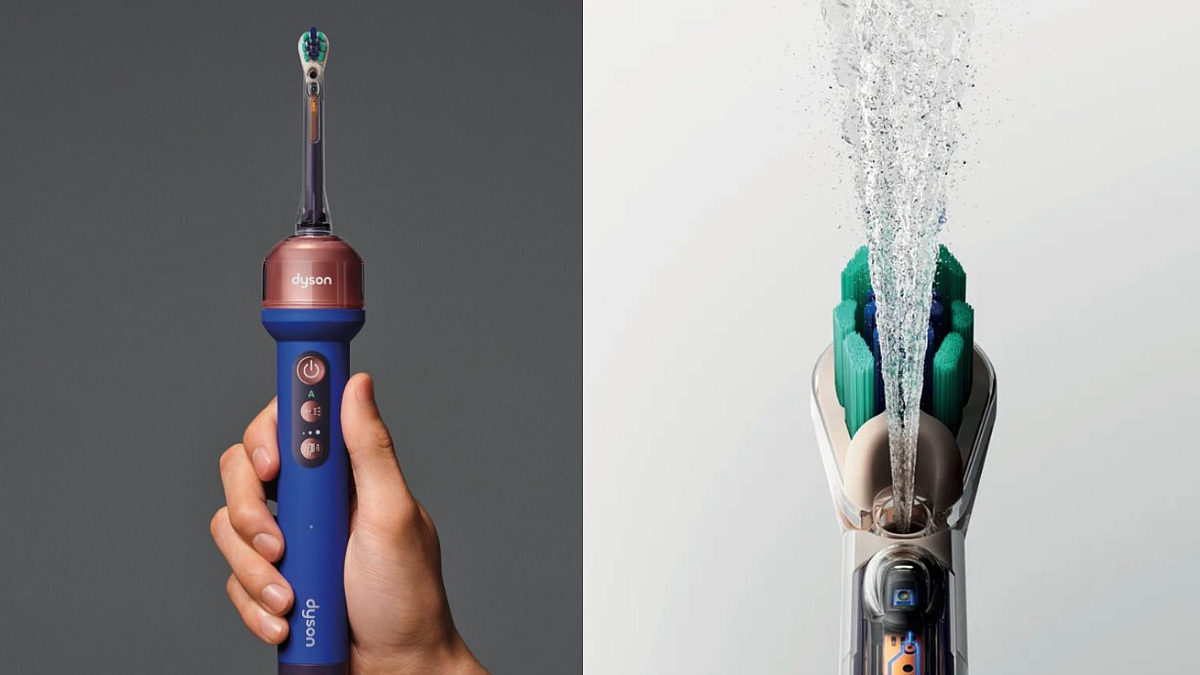
Dyson has introduced its CameraJet toothbrush, a $499 smart toothbrush with a built-in camera and AI technology. The device is designed to combine brushing, flossing, and mouth rinsing into a single step by targeting plaque in interdental gaps. The brush head features a stiffer central bristle set for surface stains and a softer outer ring for gumline cleaning, while an embedded RFID chip tracks cleaning cycles and signals when the brush head needs replacement.
The 100,000-pixel macro lens captures 28 images per second, feeding a machine-learning model trained on 470,000 dental images. Lab testing indicates the CameraJet removes up to 69% more plaque than leading electric toothbrushes in hard-to-reach areas, though this figure is based on Dyson's own testing with a synthetic plaque stand-in.
The device connects to the MyDyson app, providing real-time camera feed, cleaning guidance, and a map of brushed areas. Not everyone is convinced by the launch, with some social media users questioning the necessity of the expensive toothbrush.
Written by urgent.news from Free Press Journal's reporting — not their text. Machine-written — may contain errors; check the original before relying on it.