Diagnostic dilemma: A woman got a lung transplant — and ended up with a peanut allergy, too
After an organ transplant, a woman developed a new food allergy.
In 2011, a woman in Canada received a lung transplant to combat interstitial lung disease, an illness characterized by inflammation and scarring of the lung tissue. Post-operation, she experienced a severe anaphylactic reaction following the consumption of breakfast cereal. This condition, triggered by anaphylaxis, necessitates treatment with epinephrine and other interventions to alleviate breathing difficulties.
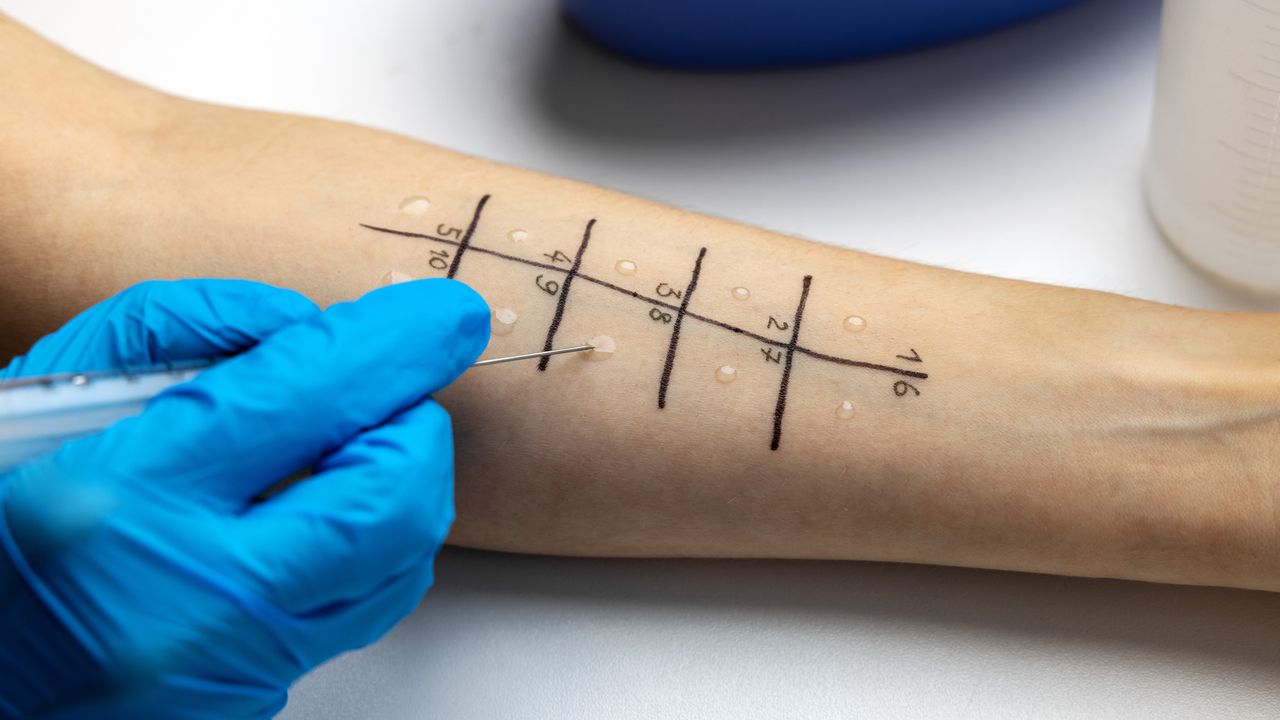
Two weeks later, the same symptoms resurfaced after she ate a coconut cream pie and an almond candy bar. A subsequent skin-prick allergy test two months post-transplant revealed a sensitivity to peanuts and pine nuts, with no reaction to tree nuts or coconut. The woman's donor was a 12-year-old boy with a known peanut allergy but no history of anaphylaxis. It was theorized that the donor's immune cells, sensitized to nut allergens, were present in the transplanted lung tissue.
Despite the absence of anaphylaxis upon subsequent peanut consumption in a controlled environment, the sensitivity persisted, disappearing completely by the one-year mark. The unique aspect of this case is that it is the only documented instance of a peanut allergy resulting from a lung transplant. The phenomenon of organ donors transferring allergies to recipients is gaining recognition, having been reported in bone marrow transplants over a decade earlier.
Donor-acquired allergies are more prevalent in lung and liver transplants due to the high presence of B lymphocytes, which produce allergen-specific antibodies. These antibodies, bound to immune cells like mast cells or basophils, can release inflammatory compounds upon allergen contact, leading to anaphylaxis. The woman's blood test for peanut-specific antibodies was negative, suggesting the antibodies were not continuously produced, but could have been bound to mast cells or basophils within the donor tissue.
The doctors noted that better donor allergy labeling and testing could aid in identifying such allergic reactions in organ recipients. Their findings align with a 2025 review, which advocates for improved donor allergy histories and skin-prick testing following organ transplants.
Written by urgent.news from Live Science's reporting — not their text. Machine-written — may contain errors; check the original before relying on it.